The best binoculars for astronomy overall are the Celestron SkyMaster 15×70, a practical balance of light gathering, sky coverage, and manageable size. For more reach, the Celestron SkyMaster Pro 20×80 is a stronger tripod-based choice, while the SVBONY SV407 2.1×42 offers a very different, wide-field view for scanning star fields. The main tradeoff is straightforward: larger magnification and objectives can reveal dimmer, smaller targets, but they also make handholding harder and raise the need for a sturdy mount. Smaller models are easier to carry and use spontaneously, though they show less detail on faint objects. Read on for the full comparison and a guide to choosing binoculars for astronomy around your observing style.

Prime made for students and young adults
- Fast, free delivery for dorm and study essentials
- Prime Video and Amazon Music included
- Member-only deals
Key Takeaways
The 15×70 format is the roundup’s most balanced starting point: the Celestron SkyMaster 15×70 offers more reach than 7×50 and 10×50 models without the bulk of 20×80 and 25×100 binoculars.
Tripod support becomes more important as magnification rises: the 20×80 and 25×100 models can show more detail, but their weight and narrow, shaky handheld view make a stable mount central to the experience.
Low magnification serves a different astronomy purpose: the 7×50 Cometron and 2.1×42 SVBONY are better suited to broad sky sweeps than close views of compact targets.
Large objectives do not guarantee the best fit: 25×100 binoculars gather substantial light, but their size and mounting demands make them a specialist choice rather than an automatic upgrade.
The lineup separates into two useful paths: conventional 10x–25x binoculars prioritize target detail, while the SVBONY 2.1×42 prioritizes an unusually wide, low-power view of the sky.
| Celestron SkyMaster 12×60 Astronomy Binoculars |  | Best Balance for Handheld-to-Tripod Stargazing | Magnification: 12x | Objective lens diameter: 60 mm | Exit pupil: 5 mm | VIEW LATEST PRICE | See Our Full Breakdown |
| Celestron SkyMaster 20×80 Binoculars |  | Best High-Magnification Value | Magnification: 20x | Objective lens diameter: 80 mm | Exit pupil: 4 mm | VIEW LATEST PRICE | See Our Full Breakdown |
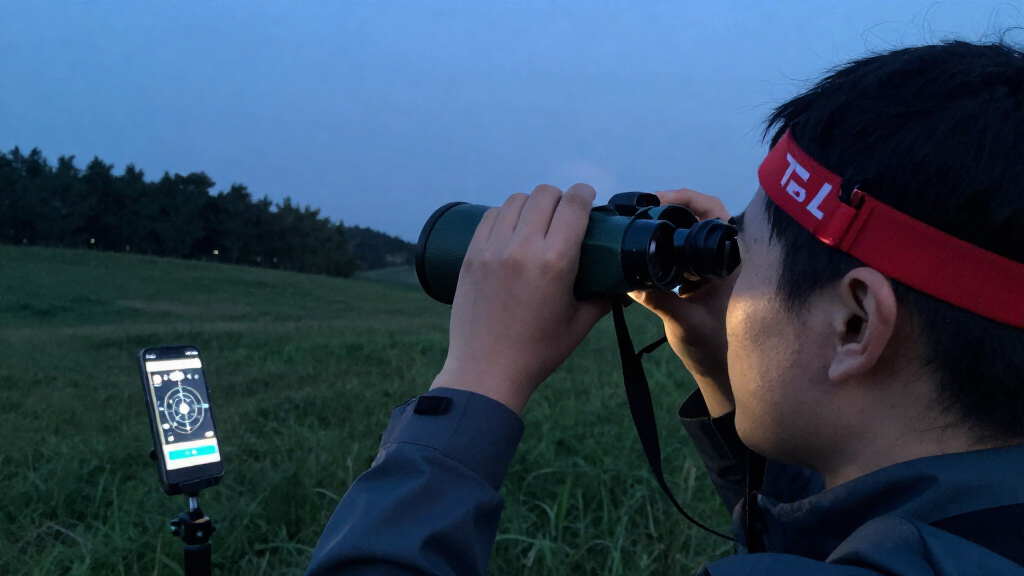
| 18×70 Professional Astronomy Binoculars with Tripod and Smartphone Adapter |  | Best for Phone-Assisted Observation | Magnification: 18x | Objective lens diameter: 70 mm | Exit pupil: 4.7 mm | VIEW LATEST PRICE | See Our Full Breakdown |
| Celestron Cometron 7×50 Astronomy Binoculars |  | Best for Beginners and Wide-Sky Scanning | Magnification: 7x | Objective lens diameter: 50 mm | Field of view: 6.8° | VIEW LATEST PRICE | See Our Full Breakdown |
| Celestron SkyMaster Pro 20×80 Astronomy Binoculars |  | Best Premium Weather-Ready 20×80 | Magnification: 20x | Objective lens diameter: 80 mm | Prism: Porro prism, BaK-4 | VIEW LATEST PRICE | See Our Full Breakdown |
| Bushnell PowerView 12×50 Wide-Angle Porro Prism Binoculars |  | Best Handheld Astronomy Starter | Magnification: 12x | Objective lens diameter: 50 mm | Prism type: Porro | VIEW LATEST PRICE | See Our Full Breakdown |
| Celestron SkyMaster 25×70 Binoculars |  | Best for High-Power, Tripod-Mounted Viewing | Magnification: 25x | Objective lens diameter: 70 mm | Prism type: Porro prism | VIEW LATEST PRICE | See Our Full Breakdown |
| Celestron SkyMaster 15×70 Astronomy Binoculars |  | Best All-Around Astronomy Balance | Magnification: 15x | Objective lens diameter: 70 mm | Prism type and glass: Porro prism, BaK-4 | VIEW LATEST PRICE | See Our Full Breakdown |
| SVBONY SV407 2.1×42 Astronomy Binoculars |  | Best for Wide-Field Constellation Viewing | Magnification: 2.1x | Objective lens diameter: 42 mm | Field of view: 26° | VIEW LATEST PRICE | See Our Full Breakdown |
| WOZEL 20×70 Binoculars for Adults |  | Best High-Power Alternative for Outdoor Viewing | Magnification: 20x | Objective lens diameter: 70 mm | Prism type and material: Roof prism, BAK4 | VIEW LATEST PRICE | See Our Full Breakdown |
| Celestron SkyMaster 25×100 Giant Astronomy Binoculars |  | Best for Maximum Light Gathering | Magnification: 25x | Objective lens diameter: 100 mm | Prism type: BaK-4 | VIEW LATEST PRICE | See Our Full Breakdown |
| Bushnell PowerView 2 20×50 Binoculars |  | Best Value for Occasional Stargazing | Magnification: 20x | Objective lens diameter: 50 mm | Prism type: Porro prism | VIEW LATEST PRICE | See Our Full Breakdown |
| 20×80 Astronomy Binoculars with BaK-4 Prisms and Tripod Adapter |  | Best Weather-Ready 20×80 Pick | Brand: Sogries | Magnification: 20x | Objective lens diameter: 80 mm | VIEW LATEST PRICE | See Our Full Breakdown |
| Bushnell Falcon 10×50 Wide-Angle Binoculars |  | Best Beginner Pick | Magnification: 10x | Objective lens diameter: 50 mm | Prism type: Porro, BK7 | VIEW LATEST PRICE | See Our Full Breakdown |
| Sogries 25×100 Astronomy Binoculars |  | Best for Rugged, Fixed-Position Observing | Magnification: 25x | Objective lens diameter: 100 mm | Weight: 8.8 lb | VIEW LATEST PRICE | See Our Full Breakdown |
| binoculars for astronomy | Magnification | Objective lens diameter | Eye relief | Exit pupil |
|---|---|---|---|---|
| Celestron SkyMaster 12×60 Astr | 12x | 60 mm | 18 mm | 5 mm |
| Celestron SkyMaster 20×80 Bino | 20x | 80 mm | — | 4 mm |
| 18×70 Professional Astronomy B | 18x | 70 mm | 18 mm | 4.7 mm |
| Celestron Cometron 7×50 Astron | 7x | 50 mm | 13 mm | 7.1 mm |
| Celestron SkyMaster Pro 20×80 | 20x | 80 mm | 15.5 mm | 4 mm |
| Bushnell PowerView 12×50 Wide- | 12x | 50 mm | — | — |
| Celestron SkyMaster 25×70 Bino | 25x | 70 mm | 13 mm | — |
| Celestron SkyMaster 15×70 Astr | 15x | 70 mm | 18 mm | — |
| SVBONY SV407 2.1×42 Astronomy | 2.1x | 42 mm | 9 mm | — |
| WOZEL 20×70 Binoculars for Adu | 20x | 70 mm | — | — |
| Celestron SkyMaster 25×100 Gia | 25x | 100 mm | 15 mm | 4 mm |
| Bushnell PowerView 2 20×50 Bin | 20x | 50 mm | 12 mm | 2.5 mm |
| 20×80 Astronomy Binoculars wit | 20x | 80 mm | 17 mm | 4 mm |
| Bushnell Falcon 10×50 Wide-Ang | 10x | 50 mm | 9 mm | 5 mm |
| Sogries 25×100 Astronomy Binoc | 25x | 100 mm | 15.5 mm | 4 mm |
More Details on Our Top Picks
Celestron SkyMaster 12×60 Astronomy Binoculars
The 12×60 combination gives this SkyMaster a useful middle ground: more reach than the Cometron 7×50, without the stronger shake and heavier setup demands of the 20×80 models. Its 60 mm objectives gather ample light for scanning star fields and viewing the Moon, while BaK-4 prisms and multi-coated optics support contrast in dim conditions. The 5 mm exit pupil is also a practical match for many adult observers. I’d choose it for someone who wants astronomy capability but still values some flexibility for daytime distance viewing. The tradeoff is that 12x magnification can be unsteady in the hands, particularly during long sessions; the tripod socket helps, but no tripod is supplied. It is water resistant, not described as fully waterproof.
Pros:- 60 mm objectives and a 5 mm exit pupil support bright views in low light
- 12x magnification offers more reach than the Cometron 7×50 without going to 20x
- BaK-4 prisms and multi-coated optics are suited to contrast in astronomical viewing
- Fold-down eyecups and a ¼-inch-20 tripod attachment support different viewing setups
Cons:- Magnification and body size can make prolonged handheld viewing tiring or shaky
- A tripod is not included, adding a separate purchase for steadier sessions
- Water resistance offers less protection than the waterproof construction of the SkyMaster Pro 20×80
Best for: Observers who want a versatile 60 mm binocular for casual stargazing and occasional terrestrial viewing, and can add a tripod for longer sessions
Not ideal for: Buyers who prioritize easy handheld sky scanning or want high magnification for detailed views; the Cometron 7×50 is steadier to handhold, while a 20×80 model offers more reach on a tripod
- Magnification:12x
- Objective lens diameter:60 mm
- Exit pupil:5 mm
- Prism:Porro prism, BaK-4
- Optics coating:Multi-coated
- Eye relief:18 mm
- Field of view:278 feet
- Mount compatibility:¼-inch-20 tripod attachment
Our verdict“Choose this model for a flexible step up from beginner 7×50 binoculars, provided you are prepared to stabilize it for extended stargazing.”
Celestron SkyMaster 20×80 Binoculars
For observers who want to pull in more detail without stepping up to the bulk of giant 100 mm binoculars, the 20×80 SkyMaster offers a straightforward astronomy-focused setup. Its 80 mm objectives gather more light than the SkyMaster 12×60’s 60 mm lenses, and 20x magnification gives the Moon and distant terrestrial subjects a larger view. BaK-4 prisms and multi-coated optics support low-light viewing, while the integrated tripod adapter makes mounting simpler than on models that need a separate adapter. The tradeoff is inherent in the high power: hand shake becomes conspicuous, so a stable tripod is strongly advisable, and none is included. Compared with the SkyMaster Pro 20×80, this version lacks the stated XLT coatings, nitrogen purging, and reflex-sight rail, making it the more basic choice for buyers who mainly want aperture and magnification.
Pros:- 80 mm objectives gather more light than the 60 mm SkyMaster 12×60
- 20x magnification brings lunar and distant subjects closer
- Integrated tripod adapter simplifies mounting
- Fold-down eyecups accommodate eyeglass wearers
Cons:- High magnification makes handheld views difficult to keep steady
- The large body is better suited to tripod sessions than casual carry
- Tripod is not included
Best for: Astronomy beginners ready to mount 20x binoculars and seeking large objectives for lunar viewing and brighter deep-sky targets
Not ideal for: Observers who need a light, handheld pair or want the SkyMaster Pro 20×80’s waterproof, nitrogen-purged construction and reflex-sight rail
- Magnification:20x
- Objective lens diameter:80 mm
- Exit pupil:4 mm
- Prism:BaK-4
- Optics coating:Multi-coated
- Tripod mount:Integrated ¼-inch-20 adapter
- Water resistance:Water-resistant
- Eyecups:Fold-down rubber
Our verdict“Pick this if you want 20x reach and 80 mm objectives in a basic astronomy pair, and already have or plan to get a sturdy tripod.”
18×70 Professional Astronomy Binoculars with Tripod and Smartphone Adapter
This 18×70 model stands apart by pairing large objectives and high magnification with a supplied smartphone adapter, giving skywatchers a way to attempt phone images through the binoculars. Its 70 mm lenses sit between the Cometron 7×50 and the 80 mm SkyMaster models for light gathering, while 18x power offers substantial reach. IPX7 waterproof and fogproof construction is a stronger weather-protection claim than the water-resistant SkyMaster 20×80. The package includes a tripod adapter, but not a tripod, so the 4.7 lb weight and magnification still call for a stable support. The phone adapter fits devices within a specified width range, which may rule out some phones or cases. Choose it for accessory flexibility and weather resistance, not for lightweight, spontaneous handheld viewing.
Pros:- 18x magnification and 70 mm objectives offer substantial reach and light gathering
- IPX7 waterproof and fogproof construction is suited to variable conditions
- Tripod and smartphone adapters are included
- Fully multi-coated optics and BaK-4 prisms are designed for bright, contrast-rich views
Cons:- At 4.7 lb, the binoculars are cumbersome for extended handheld use
- A tripod is not included, despite the supplied tripod adapter
- Smartphone adapter compatibility is limited to phones 2.09–3.54 inches wide
Best for: Skywatchers who want 18x magnification, weather-resistant construction, and a phone adapter for occasional through-binocular photos or video
Not ideal for: Travelers seeking compact binoculars, or phone owners whose devices fall outside the stated width range; handheld observers may prefer the lower-power Cometron 7×50
- Magnification:18x
- Objective lens diameter:70 mm
- Exit pupil:4.7 mm
- Prism:Roof prism with BAK-4 glass
- Lens coating:Fully multi-coated, anti-reflective
- Eye relief:18 mm
- Water resistance:IPX7 waterproof and fogproof
- Weight:4.7 lb
- Included adapters:Tripod adapter and smartphone adapter
Our verdict“Choose this for a weather-protected, high-power setup with phone-adapter support, but only if you can provide a tripod and your phone fits.”
Celestron Cometron 7×50 Astronomy Binoculars
The Cometron 7×50 is the easiest astronomy pick here for learning the night sky: 7x magnification keeps the view steadier in hand, and its 6.8° field makes it easier to sweep across broad star patterns than with the narrow-field, high-power SkyMaster 20×80. Its 7.1 mm exit pupil and 50 mm objectives support bright-looking views, though the benefit of that large exit pupil depends on the observer’s eyes and conditions. The lower magnification is a tradeoff, not a flaw: it gives up the close-up reach of the 12×60 and 20×80 models. Individual manual focus also means each barrel needs separate adjustment rather than a single center wheel. I’d favor it for casual sky tours and mixed daytime use, but not for buyers focused on magnified lunar detail.
Pros:- Wide 6.8° field helps locate and scan large sky areas
- 7x magnification is easier to hold steady than the 12x and 20x models
- 50 mm objectives and multi-coated optics suit low-light observation
- Can serve for daytime viewing as well as astronomy
Cons:- Lower magnification provides less lunar and terrestrial detail than the SkyMaster 12×60
- Individual focus requires adjusting each barrel separately
- Tripod adapter is not included
Best for: First-time stargazers who want a broad, relatively steady view for learning constellations and scanning large sky areas, with daytime use as a bonus
Not ideal for: Observers seeking close lunar detail or long-distance reach; the SkyMaster 12×60 or 20×80 offers higher magnification, though with more shake
- Magnification:7x
- Objective lens diameter:50 mm
- Field of view:6.8°
- Exit pupil:7.1 mm
- Prism:Porro prism
- Optics coating:Multi-coated
- Focus type:Individual manual focus
- Eye relief:13 mm
- Weight:774 g
Our verdict“Choose the Cometron for steady, wide-field beginner stargazing; skip it if your main goal is high-magnification detail.”
Celestron SkyMaster Pro 20×80 Astronomy Binoculars
The SkyMaster Pro keeps the 20x magnification and 80 mm objectives of the standard SkyMaster 20×80, then adds features aimed at more demanding outdoor sessions: fully multi-coated Celestron XLT optics, waterproof and nitrogen-purged housing, and a detachable reflex-sight rail. The sight rail can make locating a target easier before looking through narrow-field 20x optics, though the reflex sight itself is optional. Compared with the standard SkyMaster 20×80, the Pro is the more weather-ready choice and offers a stated coating upgrade, but it does not solve the core stability issue: high-power binoculars still benefit from a solid tripod, and the package description does not list one. Its 3.2° field and 15.5 mm eye relief also call for realistic expectations, especially for eyeglass wearers wanting a broad view.
Pros:- 80 mm objectives and 20x magnification suit detailed, tripod-mounted sky observation
- Fully multi-coated Celestron XLT optics are designed for bright, high-contrast low-light views
- Waterproof, nitrogen-purged housing helps protect against weather and internal fogging
- Detachable reflex-sight rail can help with locating targets
Cons:- 20x magnification makes stable tripod support advisable
- The reflex sight is optional and not included
- 15.5 mm eye relief may be limiting for some eyeglass wearers
Best for: Experienced skywatchers who plan tripod-mounted sessions and want 20×80 optics with waterproof, nitrogen-purged protection and an optional sight rail
Not ideal for: Casual handheld users, eyeglass wearers needing generous eye relief, or buyers who want an included reflex sight or tripod
- Magnification:20x
- Objective lens diameter:80 mm
- Prism:Porro prism, BaK-4
- Optical coating:Fully multi-coated, Celestron XLT
- Field of view:3.2°
- Exit pupil:4 mm
- Eye relief:15.5 mm
- Water protection:Waterproof; nitrogen purged
- Additional feature:Detachable reflex-sight rail
Our verdict“Choose the Pro over the standard SkyMaster 20×80 if weather protection and the sight rail matter more than a lighter, handheld setup.”
Bushnell PowerView 12×50 Wide-Angle Porro Prism Binoculars
The 12x magnification and 50 mm objectives offer a more astronomy-oriented balance than basic 7×50 binoculars, while remaining less demanding to hold steady than the Celestron SkyMaster 15×70. That makes the PowerView a practical choice for casual sky scans, bright star clusters, and moon viewing without immediately requiring a tripod. Its wide-angle design also helps keep larger star patterns in view, though the supplied specifications do not give a field-of-view measurement to compare directly. The tradeoff is aperture and reach: its 50 mm lenses gather less light than the 70 mm Celestron models, and 12x still magnifies hand shake more than lower-power options. I’d choose it for flexible outdoor use and occasional stargazing, not for long sessions focused on faint objects.
Pros:- 12x magnification brings the Moon and larger star clusters closer than low-power wide-field binoculars
- 50 mm objective lenses provide a useful light-gathering base for casual night-sky viewing
- Wide-angle design suits scanning broad sections of sky
- Porro prism construction
Cons:- Smaller objectives gather less light than the 70 mm Celestron SkyMaster models
- 12x magnification can make handheld views shaky during longer observations
- No field-of-view measurement or tripod-adapter detail is provided
Best for: Casual stargazers who want a 12x binocular for short handheld sessions and general outdoor viewing
Not ideal for: Observers seeking brighter views of faint deep-sky objects or stable, high-magnification observing without a tripod
- Magnification:12x
- Objective lens diameter:50 mm
- Prism type:Porro
- Viewing design:Wide-angle
- Color:Black
- Intended use:General outdoor observation
Our verdict“Choose the PowerView for casual handheld astronomy and outdoor versatility, but opt for a 70 mm model when faint-object brightness matters more.”
Celestron SkyMaster 25×70 Binoculars
Among these picks, the 25x magnification gives the SkyMaster 25×70 the strongest reach, making it better suited than the SkyMaster 15×70 for inspecting lunar details and distant terrestrial subjects. Its 70 mm objectives, BaK-4 prisms, and multi-coated optics support low-light viewing, but high magnification does not automatically mean brighter-looking stars: the 2.8 mm exit pupil is smaller than the 15×70 model’s 4.7 mm. A tripod is the sensible setup for extended astronomy, and the included adapter makes mounting possible, though the tripod itself is not included. The 2.7° field is also narrower than the 15×70’s 4.4°, so sweeping large constellations is less comfortable. I’d favor this model when reach matters more than a broad, easy-to-scan view.
Pros:- 25x magnification offers more reach than the Celestron SkyMaster 15×70
- 70 mm objectives with BaK-4 prisms and multi-coated optics support low-light observation
- Included ¼-inch-20 tripod adapter supports stable mounting
- Water-resistant, rubber-armored housing and fold-down eyecups
Cons:- High magnification makes tripod mounting advisable for extended viewing
- Tripod is not included
- Narrower 2.7° field and 2.8 mm exit pupil are less suited to broad, bright-feeling sky scans
Best for: Observers who already have a sturdy tripod and want high magnification for the Moon, bright celestial targets, or distant land viewing
Not ideal for: Beginners seeking handheld stargazing, wide constellation views, or a complete tripod-ready setup
- Magnification:25x
- Objective lens diameter:70 mm
- Prism type:Porro prism
- Prism glass:BaK-4
- Optical coating:Multi-coated
- Field of view:2.7°
- Exit pupil diameter:2.8 mm
- Eye relief:13 mm
- Tripod adapter:¼-inch-20
Our verdict“Pick this SkyMaster when you can mount it steadily and want more magnification than the 15×70, rather than a wide handheld view.”
Celestron SkyMaster 15×70 Astronomy Binoculars
The SkyMaster 15×70 earns its place by balancing useful reach with a 4.7 mm exit pupil and a 4.4° field of view. Compared with the 25×70 SkyMaster, it gives up magnification but is better suited to sweeping star fields and locating targets; its wider view and larger exit pupil make it the more forgiving astronomy choice for many observers. The 70 mm objectives, BaK-4 prisms, and multi-coated optics are built for low-light viewing, while the built-in tripod adapter helps when the binoculars’ size becomes tiring. At 15x, handheld use can still be unsteady, and a tripod is not included. I’d choose it over the compact Bushnell 12×50 when light gathering matters, but not if portability or effortless handheld viewing is the priority.
Pros:- 70 mm objectives and 4.7 mm exit pupil suit low-light sky viewing
- 4.4° field of view is broader than the 25×70 SkyMaster’s 2.7°
- BaK-4 prisms and multi-coated optics
- Built-in 1/4-20 tripod adapter and fold-down eyecups
Cons:- Size and weight make a tripod advisable for extended observing
- Tripod is not included
- 15x magnification is still prone to visible hand shake
Best for: Stargazers who want one large-aperture binocular for sweeping star fields and viewing bright celestial targets, with the option to mount it
Not ideal for: Travelers prioritizing a compact, easy handheld binocular or buyers unwilling to use a tripod for longer sessions
- Magnification:15x
- Objective lens diameter:70 mm
- Prism type and glass:Porro prism, BaK-4
- Optical coating:Multi-coated
- Field of view:4.4°
- Exit pupil diameter:4.7 mm
- Eye relief:18 mm
- Tripod adapter:Built-in 1/4-20
- Water resistance:Water resistant
Our verdict“Choose the SkyMaster 15×70 for a bright, broad astronomy view with more reach than 12×50 binoculars, provided you can manage its size.”
SVBONY SV407 2.1×42 Astronomy Binoculars
The SV407 takes a different approach from the 15×70 and 25×70 models: its 2.1x magnification and 26° field of view are intended to frame broad star fields and constellations, not enlarge individual objects. That unusually wide view can make it easier to orient yourself under the sky than through the narrower Celestron SkyMaster 25×70. Its 42 mm objectives and fully multi-coated optics support night-sky use, while the 2-inch objective filter thread allows compatible filters to be fitted. The tradeoff is limited detail: the Moon and small targets remain much less magnified than in either SkyMaster. Separate left- and right-eye focusing also takes more adjustment than center focus. I’d select it as a specialist wide-field complement, not as a single binocular for every astronomy task.
Pros:- 26° field of view frames far more sky than the Celestron SkyMaster models
- Low 2.1x magnification helps keep broad star patterns in view
- Fully multi-coated 42 mm objectives
- Standard 2-inch objective filter thread and stated IPX6 waterproof rating
Cons:- Low magnification is not suited to detailed views of the Moon or small celestial targets
- Left and right eyepieces require separate focusing
- 9 mm eye relief may be limiting for some eyeglass wearers
Best for: Stargazers who want to scan constellations, learn star patterns, and view broad Milky Way fields
Not ideal for: Buyers who want magnified lunar detail, close inspection of small targets, or quick center-focus adjustment
- Magnification:2.1x
- Objective lens diameter:42 mm
- Field of view:26°
- Prism type:Roof prism
- Optical coating:Fully multi-coated
- Focus type:Manual eyepiece focus
- Minimum focusing distance:1 m
- Eye relief:9 mm
- Objective filter thread:2-inch standard thread
Our verdict“Choose the SV407 for expansive constellation and star-field views, not for the close-up reach of conventional astronomy binoculars.”
WOZEL 20×70 Binoculars for Adults
The WOZEL 20×70 sits between the Celestron SkyMaster 15×70 and 25×70 in magnification, giving it more reach than the 15x model without going as high as 25x. Its 70 mm objectives, BAK4 prisms, and fully multi-coated optics are a promising combination for low-light viewing, while the 3.5 mm exit pupil is smaller than the SkyMaster 15×70’s 4.7 mm. That makes this a better fit for buyers who value magnification over a broad, bright-feeling view. The supplied information lists a 175-degree field of view but does not clarify the measurement convention, so it is not directly comparable with the Celestron’s stated 4.4°. There is no stated water resistance, and the specifications do not list a tripod adapter—meaning stable astronomy use may require additional mounting support.
Pros:- 20x magnification provides more reach than the Celestron SkyMaster 15×70
- 70 mm objectives, BAK4 prisms, and fully multi-coated optics are intended for low-light viewing
- Rubber-coated body supports grip and impact protection
- Includes a neck strap
Cons:- Not water resistant, limiting confidence in damp outdoor conditions
- No tripod adapter is listed, despite high magnification that can be difficult to hold steady
- 175-degree field-of-view figure is not directly comparable without a stated convention
Best for: Outdoor observers seeking 20x reach and 70 mm objectives for occasional astronomy and distant terrestrial viewing
Not ideal for: Stargazers who need confirmed water resistance, a documented tripod adapter, or a clearly specified wide field of view
- Magnification:20x
- Objective lens diameter:70 mm
- Prism type and material:Roof prism, BAK4
- Optical coating:Fully multi-coated, anti-reflective
- Exit pupil diameter:3.5 mm
- Focus type:Manual focus
- Diopter adjustment range:±5 diopters
- Weight:1.19 kg (about 2.8 lb)
- Water resistance:Not water resistant
Our verdict“Consider the WOZEL for 20x reach across astronomy and outdoor viewing, but favor the SkyMaster 15×70 for clearer mounting details and a documented field of view.”
Celestron SkyMaster 25×100 Giant Astronomy Binoculars
The 25×100 configuration makes this the light-gathering choice for buyers who want binocular views of the Moon, star fields, and other bright targets without moving to a telescope. Its 100 mm objectives gather more light than the 50 mm Bushnell PowerView 2 20×50, while 25x magnification brings distant details closer. That reach comes with a firm requirement: at this size and magnification, a tripod is needed for steady viewing, and one is not included. The individual-focus eyepieces suit deliberate observing sessions but are less convenient for switching quickly between targets than center focus. BaK-4 prisms, multi-coated optics, and a built-in tripod adapter make it a ready astronomy platform, though its bulk makes it a poor grab-and-go choice.
Pros:- 100 mm objective lenses gather more light than the smaller 50 mm Bushnell PowerView 2 20×50.
- 25x magnification gives distant celestial and terrestrial subjects substantial scale.
- BaK-4 prisms and multi-coated optics support low-light viewing.
- Built-in 1/4-20 tripod adapter and water-resistant, rubber-armored body.
Cons:- Large size and 25x magnification make tripod support necessary for stable viewing.
- Tripod is not included, adding a separate equipment requirement.
- Individual focus is slower to adjust than center focus when changing targets.
Best for: Stargazers who observe from a fixed spot and want large objectives and high magnification for detailed views of bright celestial targets.
Not ideal for: Travelers and casual observers who need handheld binoculars, quick focusing, or a complete tripod setup.
- Magnification:25x
- Objective lens diameter:100 mm
- Prism type:BaK-4
- Optical coating:Multi-coated
- Field of view:3 degrees
- Eye relief:15 mm
- Exit pupil:4 mm
- Focus and mount:Individual focus; built-in 1/4-20 tripod adapter
- Water resistance:Water resistant
Our verdict“Choose this Celestron if maximum light gathering matters more than portability and you already have, or plan to get, a sturdy tripod.”
Bushnell PowerView 2 20×50 Binoculars
The 20x magnification offers more reach than beginner-friendly 10x binoculars, while the 50 mm objectives keep this Bushnell less imposing than the 80 mm and 100 mm astronomy models here. Compared with the Celestron SkyMaster 25×100, it is much easier to carry and handle, but its smaller lenses gather less light for dim targets. The aluminum alloy chassis and soft-touch grips suit mixed outdoor use, and center focus makes daytime target changes straightforward. For astronomy, the main limitation is the 2.5 mm exit pupil, which provides less viewing comfort in low light than the 4 mm exit pupils on the larger Celestron and Sogries models. It is also not water resistant, so damp observing conditions call for extra care.
Pros:- 20x magnification brings distant subjects closer than typical 10x binoculars.
- More manageable objective size and chassis than 80 mm and 100 mm astronomy models.
- Center-focus wheel supports quick manual adjustments between targets.
- Tripod compatible for steadier astronomical viewing.
Cons:- 50 mm objectives and a 2.5 mm exit pupil are less suited to dim targets than larger astronomy binoculars.
- Not water resistant, limiting use in damp or changeable conditions.
- At 805 g, it can tire the arms during extended handheld viewing.
Best for: Casual observers who want a relatively manageable binocular for occasional Moon viewing and daytime use, with tripod compatibility for steadier stargazing.
Not ideal for: Dedicated deep-sky observers or anyone who needs a larger exit pupil, water resistance, or comfortable extended handheld viewing.
- Magnification:20x
- Objective lens diameter:50 mm
- Prism type:Porro prism
- Optics coating:Multi-coated
- Exit pupil:2.5 mm
- Eye relief:12 mm
- Focus type:Center focus, manual
- Weight:805 g
- Water resistance:Not water resistant
Our verdict“Pick the PowerView 2 for a more carryable, mixed-use option, but choose larger-aperture binoculars if faint night-sky targets are your priority.”
20×80 Astronomy Binoculars with BaK-4 Prisms and Tripod Adapter
This Sogries pairs 20x magnification with 80 mm objectives, a useful balance for astronomy buyers who want more light gathering than the Bushnell PowerView 2 20×50 without stepping up to a 100 mm instrument. The 4 mm exit pupil and BaK-4 prisms support brighter low-light views, while the waterproof housing gives it an advantage over the non-water-resistant Bushnell for observing in damp conditions. At 4.66 lb, however, it is not a comfortable long-session handheld binocular; the included tripod adapter is practical, but a tripod is still needed for a steady view. Center focus is easier to adjust between targets than the individual-focus systems on the Celestron SkyMaster 25×100 and Sogries 25×100, though this remains a substantial piece of gear to transport.
Pros:- 80 mm objectives collect more light than the Bushnell PowerView 2 20×50.
- 20x magnification balances reach with a wider field than 25×100 models.
- BaK-4 prisms and a 4 mm exit pupil support low-light viewing.
- Waterproof construction and included tripod adapter suit outdoor observing.
Cons:- At 4.66 lb, it is tiring to hold for extended sessions.
- A tripod is recommended for stable astronomical viewing.
- Larger and less convenient to carry than 50 mm binoculars.
Best for: Observers seeking 20×80 aperture for astronomy and wildlife who want a waterproof body and already have access to tripod support.
Not ideal for: Handheld-only users, ultralight travelers, or buyers who want a compact binocular for quick sky checks.
- Brand:Sogries
- Magnification:20x
- Objective lens diameter:80 mm
- Prism type:BaK-4
- Weight:4.66 lb (2113 g)
- Eye relief:17 mm
- Exit pupil:4 mm
- Focus type:Center focus, manual
- Water resistance:Waterproof
Our verdict“Choose this 20×80 if you want a weather-ready step up in aperture from 50 mm binoculars and can support its weight on a tripod.”
Bushnell Falcon 10×50 Wide-Angle Binoculars
For first-time stargazers, the Falcon’s 10x magnification is easier to steady and aim across the sky than the 20x and 25x models in this group. Its 50 mm objectives and 5 mm exit pupil make it a more practical starting point for broad star fields and the Moon than the Bushnell PowerView 2 20×50, whose higher magnification and smaller exit pupil favor reach over ease of use. The wide 300 ft field of view helps locate subjects, and InstaFocus is designed for quick adjustments on moving daytime targets. But 9 mm eye relief may feel tight, particularly for eyeglass wearers, and 10x magnification will not bring details as close as the larger astronomy binoculars. Treat it as a versatile entry point, not a substitute for tripod-mounted high-power viewing.
Pros:- 10x magnification is easier to aim and steady than 20x or 25x binoculars.
- 50 mm objectives and a 5 mm exit pupil suit broad, low-light viewing.
- 300 ft field of view helps sweep across the sky and find targets.
- Waterproof body, rubberized grip, and fold-down eyecups support outdoor use.
Cons:- Lower magnification shows less detail than the 20×80 and 25×100 models.
- 9 mm eye relief may be uncomfortable for some eyeglass wearers.
- At 27 oz, it is not especially light for extended carrying.
Best for: Beginners who want one relatively straightforward 10×50 binocular for sweeping star fields, Moon viewing, and outdoor use.
Not ideal for: Observers seeking high magnification for close lunar detail or eyeglass wearers who need generous eye relief.
- Magnification:10x
- Objective lens diameter:50 mm
- Prism type:Porro, BK7
- Optics coating:Fully coated
- Field of view:300 ft at 1,000 yards
- Eye relief:9 mm
- Exit pupil:5 mm
- Focus system:InstaFocus
- Water resistance:Waterproof
Our verdict“Choose the Falcon as an accessible first astronomy binocular if ease of aiming matters more to you than high magnification.”
Sogries 25×100 Astronomy Binoculars
The Sogries 25×100 is built around the same large-aperture, high-magnification formula as the Celestron SkyMaster 25×100, so both are better suited to tripod-based sessions than casual handheld viewing. Its fully multi-coated optics and BaK-4 prisms are specified for light transmission, while the nitrogen-filled housing is described as waterproof, fogproof, and shock-resistant—features that give it a tougher weather-protection profile than the water-resistant Celestron. The cost of that rugged build is substantial: at 8.8 lb, it is heavier than the Celestron, and the tripod needed to control 25x magnification is not included. Individual focus also favors a settled observing setup over rapid target changes. The included backpack helps with transport, but does not make this a lightweight or spontaneous option.
Pros:- 100 mm objectives and 25x magnification suit detailed views of bright celestial targets.
- BaK-4 prisms and fully multi-coated optics support light transmission.
- Nitrogen-filled housing is described as waterproof, fogproof, and shock-resistant.
- Includes a leather backpack, cleaning cloth, and strap.
Cons:- At 8.8 lb, it is heavier than the Celestron SkyMaster 25×100.
- A tripod is required for steady viewing and is not included.
- Individual focus makes rapid changes between targets less convenient.
Best for: Experienced observers who want 25×100 binoculars for a fixed observing location and value weather protection alongside large-aperture views.
Not ideal for: Anyone prioritizing low carry weight, quick target changes, or an included tripod; its 8.8 lb body and individual focus demand a deliberate setup.
- Magnification:25x
- Objective lens diameter:100 mm
- Weight:8.8 lb
- Prism type and material:Porro prism; BaK-4
- Optical coating:Fully multi-coated
- Eye relief:15.5 mm
- Exit pupil:4 mm
- Field of view:147 ft
- Water resistance:Waterproof; nitrogen-filled and fogproof
Our verdict“Choose the Sogries over the Celestron 25×100 if rugged weather protection matters more than lighter carrying weight and simpler setup.”
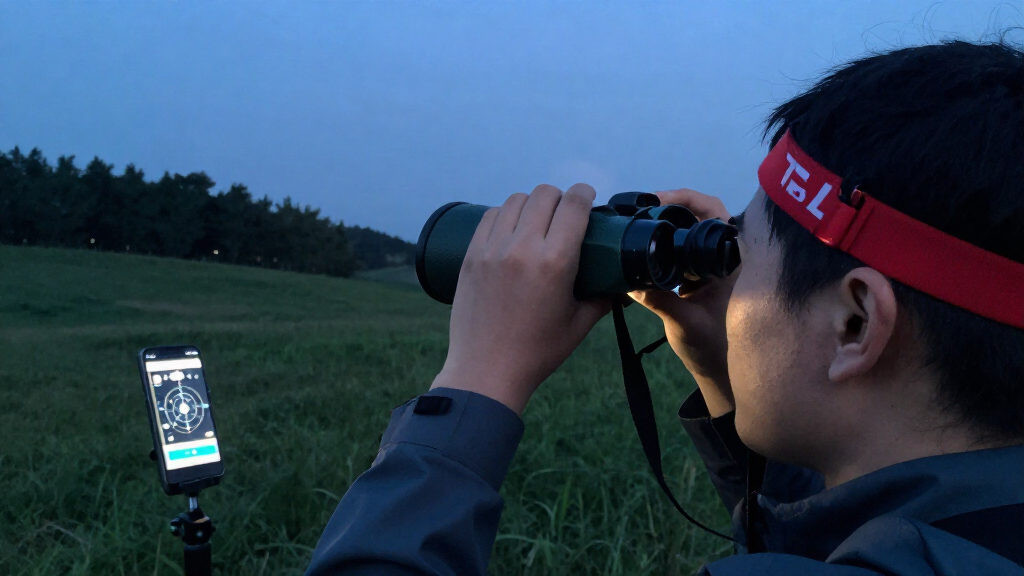
How We Picked
I ranked these binoculars around the way people actually observe the night sky: finding targets, holding a steady view, and keeping the setup usable for a full session. I weighed magnification and objective size alongside exit pupil, likely handheld comfort, tripod compatibility, field-of-view practicality, and portability. Larger optics can gather more light, but that advantage only helps when the binoculars can be mounted securely and the observer can use them comfortably.
The order favors a useful balance over the biggest specifications. The SkyMaster 15×70 earns the lead for its mix of reach and manageable scale; the SkyMaster Pro 20×80 ranks higher among tripod-dependent choices for its more astronomy-focused configuration. Compact and low-power models serve beginners and wide-field observers, while 25×100 options rank as specialist instruments because their size narrows where and how they are practical. I also account for the limits of the available product details: a bundled adapter or tripod does not by itself establish mount stability or optical quality.
| binoculars for astronomy | Water resistance |
|---|---|
| Celestron SkyMaster 12×60 Astr | — |
| Celestron SkyMaster 20×80 Bino | Water-resistant |
| 18×70 Professional Astronomy B | IPX7 waterproof and fogproof |
| Celestron Cometron 7×50 Astron | — |
| Celestron SkyMaster Pro 20×80 | — |
| Bushnell PowerView 12×50 Wide- | — |
| Celestron SkyMaster 25×70 Bino | — |
| Celestron SkyMaster 15×70 Astr | Water resistant |
| SVBONY SV407 2.1×42 Astronomy | — |
| WOZEL 20×70 Binoculars for Adu | Not water resistant |
| Celestron SkyMaster 25×100 Gia | Water resistant |
| Bushnell PowerView 2 20×50 Bin | Not water resistant |
| 20×80 Astronomy Binoculars wit | Waterproof |
| Bushnell Falcon 10×50 Wide-Ang | Waterproof |
| Sogries 25×100 Astronomy Binoc | Waterproof; nitrogen-filled and fogproof |
Factors to Consider When Choosing Binoculars For Astronomy
Choosing astronomy binoculars is less about chasing the highest number and more about matching the optics to your observing habits. I would start with how you plan to hold or mount them, then weigh field of view, comfort, and the kinds of targets you want to find.
Choose Magnification Around Your Mounting Plan
Magnification enlarges targets, but it also enlarges every small movement of your hands. Many observers can manage 7x or 10x binoculars handheld for casual sessions, while 15x and above are usually easier to use on a tripod or another steady support. A common mistake is buying a high-power model for extra detail and then rarely using it because setup feels cumbersome. If you want quick looks from a backyard, moderate power may show more usable detail than a stronger view that constantly shakes. If you already own a sturdy tripod, higher magnification becomes a more reasonable tradeoff.
Understand What Objective Size Can—and Cannot—Do
The objective diameter affects how much light the binoculars can collect, which matters when viewing dimmer objects against a dark sky. Larger objectives can help, but they also add weight, bulk, and mounting demands; they cannot compensate for a bright, light-polluted sky or poor focus. Compare exit pupil—the objective diameter divided by magnification—to understand how broad the light beam leaving each eyepiece is. A very large exit pupil may not benefit every observer, since the eye’s pupil changes with age and surrounding light. Treat aperture as one part of the decision, not a guarantee that every target will look brighter or sharper.
Decide Whether You Want Wide Sweeps or Close Target Views
A wide field makes it easier to sweep across constellations and locate large star fields, while stronger magnification frames smaller areas and can make individual targets easier to examine. These are different observing styles, not rungs on a single ladder. New observers often buy more power expecting it to make every object easier to find, then discover that a narrow view makes star-hopping harder. For broad scanning, prioritize a comfortable field and low enough power to keep orientation. For compact targets, accept a narrower view only if you can keep the binoculars steady.
Check Weight, Balance, and Mount Compatibility Before Buying
Specifications can understate how tiring a pair feels when held above your head for several minutes. Look at the complete setup, including the binocular weight, tripod adapter, tripod head, and how high the eyepieces must sit for your observing position. A lightweight photo tripod may not handle a long, front-heavy binocular steadily, even if the binocular has a tripod socket. Bundled accessories can reduce setup friction, but they are not proof that the support is sufficiently rigid. If you observe seated or from a fixed location, a heavier mounted instrument may be comfortable; for travel and spontaneous viewing, a smaller model can see more use.
Prioritize Eye Comfort and Fit for Your Vision
Eye relief, eyecup design, interpupillary adjustment, and diopter control affect whether you can see the full field comfortably. Eyeglass wearers should check stated eye relief and try to confirm whether the eyecups fold or adjust as needed. A binocular that technically focuses for both eyes may still be awkward if its eyecups press against glasses or its body does not fit your face. Also check whether the diopter adjustment can compensate for differences between your eyes without frequent readjustment. These fit details rarely draw attention beside magnification, but poor comfort can cut an observing session short.
Match Optical Ambition to Sky Conditions and Portability
Dark skies often reveal more through binoculars than moving up one size under bright urban skies. Larger instruments are most rewarding when you can take them to a suitable location and mount them, while a compact pair may be a better companion for regular short sessions. Think about storage, transport, dew exposure, and whether you have a safe place to leave a tripod set up. Paying more or choosing a heavier model makes sense when its optical reach matches your targets and your observing site. If those conditions are uncertain, a versatile moderate-size pair is a lower-risk way to learn what you enjoy viewing.
Frequently Asked Questions
Can I use 15×70 astronomy binoculars without a tripod?
You can use them handheld briefly, but hand movement is likely to make the view tiring and obscure fine detail. The higher power also makes it harder to keep an object centered than with a 7×50 or 10×50 pair. For short looks, bracing your elbows against a chair or wall can help, though it is not a substitute for a steady mount. If you expect long sessions or want to inspect faint targets, plan for a tripod or another support. Choose lower magnification if mounting the binoculars would stop you from using them.
Should I choose 20×80 or 25×100 binoculars for astronomy?
Choose 20×80 if you want substantial magnification and light gathering in a setup that is generally less imposing than a 25×100 pair. The 25×100 format offers larger objectives and higher power, but its extra size and weight make a stable mount and fixed observing location more important. Neither is a comfortable casual handheld choice for most observers. Consider your tripod capacity, transport plans, and whether you regularly observe under dark skies before favoring the larger model. If portability matters, a 15×70 may be a more practical compromise.
Are 7×50 binoculars useful for astronomy, or are they too low-powered?
They are useful for broad views of star fields and for learning the sky, even though they will not frame small targets as closely as higher-power models. Their lower magnification makes them easier to hold steady, which can produce a more comfortable view for casual observing. The tradeoff is less apparent detail on compact objects and less reach than 15×70 or 20×80 binoculars. A wide, stable view can be more helpful when locating constellations than a narrow, shaky one. Choose 7×50 when ease and sky sweeping matter more than close inspection.
Are giant 25×100 binoculars a good first astronomy purchase?
They can suit a first-time buyer who already has a sturdy mount, a place to observe, and a clear interest in high-power binocular viewing. For someone still learning the sky, their weight and narrow field can make locating targets and setting up less inviting than a moderate-size pair. Their larger objectives are not a remedy for light pollution, and the full setup may be less portable than expected. A smaller model can help a beginner learn which targets and observing routines they enjoy before committing to a giant instrument. Choose 25×100 when its mounting and storage requirements fit your plans, not just because its specifications are largest.
What makes 2.1×42 binoculars different from conventional astronomy binoculars?
The SVBONY SV407 2.1×42 is built for a very broad, low-power view rather than magnifying individual targets. That makes it a distinct tool for scanning star fields and getting a wider sense of the sky, not a direct substitute for 15×70 or 20×80 binoculars. It will not bring small objects as close, so buyers seeking detail should look at conventional higher-magnification models. Its unusual format can complement a telescope or a stronger binocular pair rather than replace either one. Choose it if broad-field observing is the goal and recognize that its role differs from standard astronomy binoculars.
Conclusion
For most buyers, I recommend the Celestron SkyMaster 15×70 as the best overall choice because it balances useful reach with less bulk than the 20×80 and 25×100 options. The Celestron Cometron 7×50 is my best beginner fit for steadier, broad-field viewing, while the Bushnell Falcon 10×50 makes sense for buyers who want a more conventional, lower-power format. For a premium-style, tripod-based setup, I would look to the Celestron SkyMaster Pro 20×80; the SkyMaster 20×80 and the 20×80 BaK-4 model are alternatives for shoppers prioritizing large objectives and mounted use. For value, the Celestron SkyMaster 12×60 offers a middle ground between compact handheld pairs and heavier astronomy models. If your priority is an unusually wide sky sweep, choose the SVBONY SV407 2.1×42; if you want maximum aperture and have a robust mount, compare the two 25×100 models. I would skip the giant options if portability or quick handheld viewing matters more than reach.