
Watts measure how much power a device uses at a specific moment, like a snapshot of its energy draw, while watt-hours tell you the total energy a battery or source can store over time. Confusing these means you might think a high-wattage device lasts longer, but it actually consumes more energy quickly. To understand true runtime and energy needs, it’s essential to grasp their differences—if you want to get the full picture, there’s more to consider.
Key Takeaways
- Watts measure instantaneous power at a specific moment, while watt-hours represent total energy over time.
- Confusing wattage with watt-hours leads to misunderstandings about device usage and battery capacity.
- A device’s wattage indicates how much power it uses now, not how long it will run on a battery.
- Battery capacity in watt-hours determines how long a device can operate before needing a recharge.
- High wattage doesn’t mean longer runtime; it means higher immediate power consumption.

Have you ever wondered what the difference is between watts and watt-hours? It’s a common question, especially when you’re trying to understand how long a battery will last or how much energy a device consumes. Watts measure power, which is the rate at which energy is used or generated at a specific moment. Watt-hours, on the other hand, measure total energy over time. Recognizing this distinction is essential because it affects how you interpret battery capacity and power consumption.
Watts measure power at a moment; watt-hours show total energy over time.
When you look at a battery, its capacity is often expressed in watt-hours. This tells you how much energy it can store and provide before needing a recharge. For example, a 100-watt-hour battery can theoretically supply 100 watts of power for one hour or 50 watts for two hours. It’s a straightforward way to compare batteries or power sources. Power consumption, however, refers to how much power a device uses when it’s operating. If your device consumes 50 watts, it’s using 50 watts of power at that moment. This is a snapshot of power at a specific time, not the total energy used over a period.
Understanding the difference helps you make smarter decisions about energy needs. If you’re considering a portable power bank, knowing its watt-hour capacity helps determine how long your device will run. For instance, if your device uses 10 watts, a 50-watt-hour power bank could theoretically last five hours. But if the device’s power consumption spikes or the battery isn’t 100% efficient, the actual runtime may be less. This is why knowing both battery capacity (in watt-hours) and the device’s power consumption (in watts) is essential. Additionally, the efficiency of your device and the power draw at different operating points can significantly impact actual usage time. Many people get confused because they see wattage ratings on devices and watt-hour ratings on batteries and assume they’re interchangeable. They’re not. Wattage measures the instantaneous rate of energy use, while watt-hours measure total energy over time. Think of it like understanding speed versus distance traveled. Just because a device has a high wattage doesn’t mean it will run longer; it just consumes more power at a given moment. Conversely, a large watt-hour battery can store enough energy to power a high-watt device for a certain period, but only if you understand how the device’s power consumption interacts with that capacity.
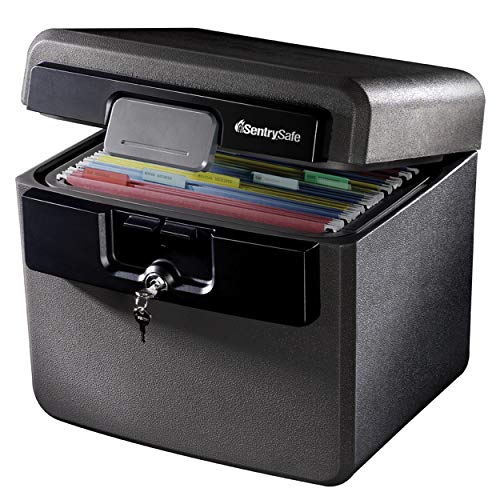
SentrySafe Black Fireproof and Waterproof Safe, File Folder and Document Box with Key Lock, Ex. 14.3 x 15.5 x 13.5 inches, HD4100
FIREPROOF: Safe is UL Classified to endure 1/2 hour at 1550°F and keep interior temperatures safe for irreplaceable...
As an affiliate, we earn on qualifying purchases.
Frequently Asked Questions
How Do I Convert Watts to Kilowatt-Hours?
To convert watts to kilowatt-hours, you need to contemplate power consumption over time. First, divide the watt value by 1,000 to get kilowatts. Then, multiply that by the number of hours the device runs. For example, a 100-watt device running for 5 hours consumes 0.5 kilowatt-hours. This method helps you understand energy measurement and accurately track your power consumption.
Why Do Appliances List Both Watts and Watt-Hours?
You probably think appliances list both watts and watt-hours just to confuse you, but really, it’s about transparency in power consumption and energy measurement. Watts tell you how much power an appliance needs at any moment, while watt-hours show how much energy it uses over time. Listing both helps you understand efficiency and running costs, so you can make smarter choices and avoid being blindsided by hidden energy bills.
Can a Device’s Wattage Change During Operation?
Yes, a device’s wattage can change during operation due to power fluctuation and variations in device efficiency. As the device works, factors like load changes or thermal conditions may cause its power draw to increase or decrease. You might notice this when appliances fluctuate in performance or when their energy consumption varies over time. This variability reflects how devices adapt to different operational needs and efficiency levels.
How Does Watt-Hours Relate to Battery Capacity?
Think of watt-hours like a fuel tank for your device. They measure the total energy your battery can store, directly impacting battery longevity. The higher the watt-hours, the longer your device runs between charges. To boost energy efficiency and extend battery life, you want a battery with more watt-hours, ensuring you get the most out of each charge, much like squeezing every drop from a full tank.
Are Watt-Hours Useful for Estimating Energy Costs?
Yes, watt-hours are useful for estimating energy costs because they reflect your device’s total energy consumption over time. By comparing watt-hours, you can assess energy efficiency and determine how much power your appliances use. This helps you estimate costs more accurately, especially if you know your energy provider’s rates. Tracking watt-hours allows you to identify high-consuming devices and make smarter choices to reduce overall power consumption and save money.
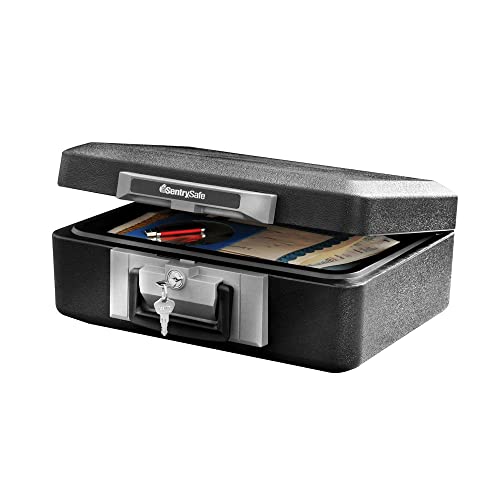
SentrySafe Fireproof Safe Box with Key Lock, Chest Safe with Carrying Handle to Secure Money, Jewelry, Documents, 0.25 Cubic Feet, 6.3 x 15.3 x 12.1 Inches, 1160
FIRE RESISTANT BOX: Lifetime after-fire replacement guarantee. Keep your important papers, digital media and other valuables secure and...
As an affiliate, we earn on qualifying purchases.
Conclusion
Understanding watts versus watt-hours isn’t just about math; it’s about taking control of your energy. When you mistake one for the other, you might feel powerless or confused, wasting time and money. But once you get it right, you gain clarity and confidence. So don’t let misunderstandings drain your energy—embrace the knowledge and turn uncertainty into empowerment. Because in the end, knowing the difference gives you control over your power, not the other way around.

1.2 Cubic Feet Fireproof Safe Box, Fireproof Home Safe for Money, Jewelry, Documents and Valuables W/Digital Keypad, Alarm System, Removable Shelf, Home and Office Use Document Box
🔥🔥🔥Fire Resistance: Fireproof plaster layer and alloy steel latch provide reliable protection against flames. Heat-activated door seal expands...
As an affiliate, we earn on qualifying purchases.

SentrySafe Waterproof and Fireproof Alloy Steel Digital Safe Box for Home with Code Button Keypad, 1.23 Cubic Feet, 17.8 x 16.3 x 19.3 Inches (exterior), SFW123GDC
Fireproof safe is UL Classified to endure 1 hour at 1700°F and keep interior temperatures safe for irreplaceable...
As an affiliate, we earn on qualifying purchases.