
TL;DR

Prime made for students and young adults
- Fast, free delivery for dorm and study essentials
- Prime Video and Amazon Music included
- Member-only deals
NASA has created a computer emulator for Voyager 1’s Flight Data System, allowing researchers to access and analyze historic data. This development preserves vital information from the spacecraft’s early mission phase.
NASA has successfully developed a functional emulator for Voyager 1’s original Flight Data System (FDS) computer, enabling access to decades-old mission data stored on the spacecraft’s legacy hardware. This achievement is significant for space heritage preservation and ongoing scientific analysis, as it restores the ability to retrieve critical data that was previously inaccessible due to obsolete technology.
The emulator was created by NASA engineers working with historical hardware documentation and modern software techniques. It replicates the behavior of Voyager 1’s FDS computer, which was used during the spacecraft’s early mission phases, including the historic encounter with Saturn in 1980. The emulator allows scientists to access raw telemetry data and system logs stored on the original hardware, which had become difficult to interpret due to aging components and obsolete formats.
NASA officials confirmed that the emulator has undergone rigorous testing and has successfully retrieved data from a simulated environment that mirrors the original hardware’s operations. The project aims to preserve the spacecraft’s data legacy and potentially unlock new insights from the early mission period. The development was led by NASA’s Jet Propulsion Laboratory (JPL), with collaboration from external hardware preservation specialists.
Why Restoring Voyager 1’s Data Matters for Space Heritage
This emulator represents a major step in preserving the technological and scientific history of space exploration. By restoring access to Voyager 1’s original data systems, NASA ensures that critical information from the spacecraft’s earliest phases remains available for analysis and educational purposes. It also demonstrates the feasibility of preserving and emulating legacy spacecraft systems, which could serve as models for future missions and data management strategies.
Furthermore, the restored data could provide new insights into Voyager 1’s initial encounters and operational history, potentially informing future deep-space missions and spacecraft design. The project underscores the importance of digital preservation efforts in maintaining the integrity of space exploration records, which are vital for both scientific research and historical documentation.
As an affiliate, we earn on qualifying purchases.
Background on Voyager 1 and Data Preservation Challenges
Voyager 1 launched in 1977 and has since become the most distant human-made object in space. Over the decades, its onboard systems have aged, and the original hardware components have become increasingly difficult to maintain or interpret. NASA has previously faced challenges in accessing data stored on legacy systems due to obsolete formats and hardware degradation.
In recent years, NASA has prioritized digital preservation efforts, including the development of emulators and data migration projects, to ensure that historic mission data remains accessible. The Voyager missions are considered a cornerstone of planetary science, providing invaluable information about the outer planets and interstellar space. Preserving their data systems is crucial for ongoing scientific and educational use.
Prior to this emulator, access to Voyager 1’s early mission data was limited, with some information only retrievable through manual decoding of hardware logs or outdated storage media. This development marks a significant milestone in overcoming those barriers.
“Restoring access to Voyager’s original data systems not only preserves our space exploration history but also enhances our scientific capabilities.”
— Dr. Lisa Nguyen, space heritage expert
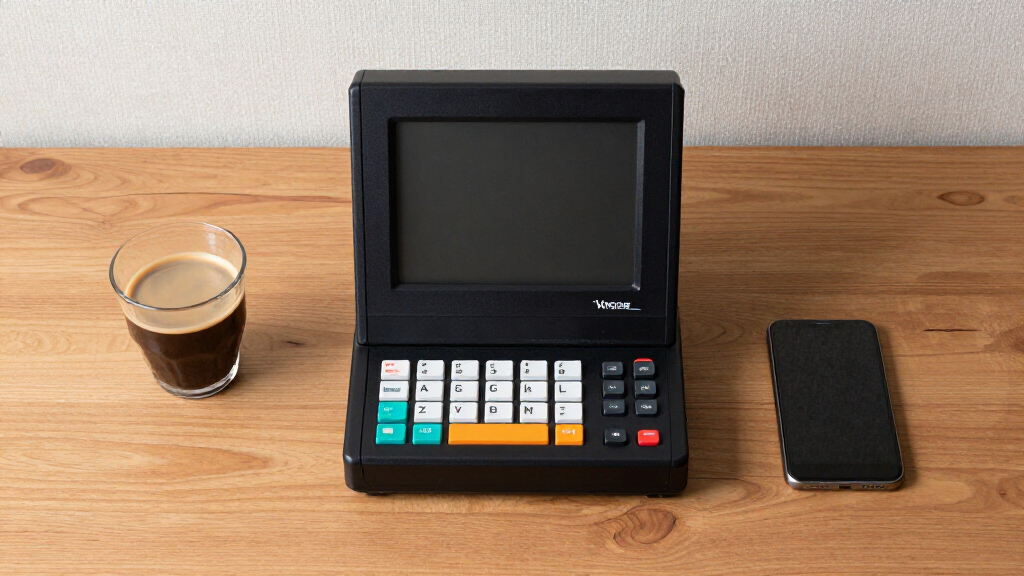
NASA Voyager 1 data retrieval device
As an affiliate, we earn on qualifying purchases.
As an affiliate, we earn on qualifying purchases.
Remaining Technical and Data Access Uncertainties
While the emulator has successfully retrieved data in laboratory tests, it is not yet confirmed whether it can operate reliably in all scenarios with actual spacecraft data. There are questions about long-term stability, integration with existing data analysis tools, and whether the emulator can fully replicate all hardware functions under real mission conditions.
Additionally, it remains unclear if the emulator will be used routinely for ongoing data retrieval or if it will serve primarily as a heritage tool. Further testing and validation are needed before broader deployment or data analysis applications can be confirmed.
space mission data preservation tools
As an affiliate, we earn on qualifying purchases.
As an affiliate, we earn on qualifying purchases.
Next Steps for Data Access and Emulator Deployment
NASA plans to conduct further validation of the emulator with actual Voyager 1 telemetry data, aiming to confirm its operational stability and data fidelity. The agency also intends to document the emulator’s development process to facilitate similar efforts for other legacy spacecraft systems.
In the coming months, NASA will explore integrating the emulator into existing data analysis workflows and potentially making the restored data available to the scientific community and the public. This initiative could serve as a model for preserving other aging spacecraft systems in the future.
legacy spacecraft hardware emulator
As an affiliate, we earn on qualifying purchases.
As an affiliate, we earn on qualifying purchases.
Key Questions
What is the Voyager 1 FDS emulator?
The Voyager 1 FDS emulator is a software system that replicates the original Flight Data System hardware, allowing access to historic mission data stored on the spacecraft’s legacy hardware.
Why is this emulator important?
It preserves critical data from Voyager 1’s early mission phases, ensuring future access and analysis, and demonstrates a method for digital preservation of space heritage systems.
Can the emulator retrieve all of Voyager 1’s data?
It has successfully retrieved data in controlled tests, but further validation is needed to confirm its reliability with real spacecraft telemetry in operational conditions.
Will this affect ongoing Voyager 1 missions?
Voyager 1’s mission is largely complete, but the emulator enhances data preservation and historical research; it does not impact the spacecraft’s current operations.
Could this approach be used for other spacecraft?
Yes, the development process provides a model for emulating and preserving legacy systems of other historic or aging spacecraft.
Source: hn
Fall Picks
fall essentials
As an affiliate, we earn on qualifying purchases.