
Tankless heaters heat water on demand, so they’re not truly instant. After you turn on the tap, it takes a few seconds for the system to detect demand, ignite, and warm the water from cold, especially if it’s been idle. Factors like water temperature and unit size impact startup speed. Modern models work faster, but a brief delay is normal. Want to understand why “instant” isn’t exactly accurate? Keep exploring for this and more.

Prime made for students and young adults
- Fast, free delivery for dorm and study essentials
- Prime Video and Amazon Music included
- Member-only deals
Key Takeaways
- Tankless heaters require a few seconds to a minute to heat water on demand, not truly instant.
- Heating delay depends on water flow detection, heater size, and incoming water temperature.
- Modern models heat water faster, but initial lag is due to starting the heating process from cold water.
- Proper installation and correct sizing improve startup speed and overall performance.
- The term “instant” is a misnomer; hot water delivery is near-instant but not immediate.
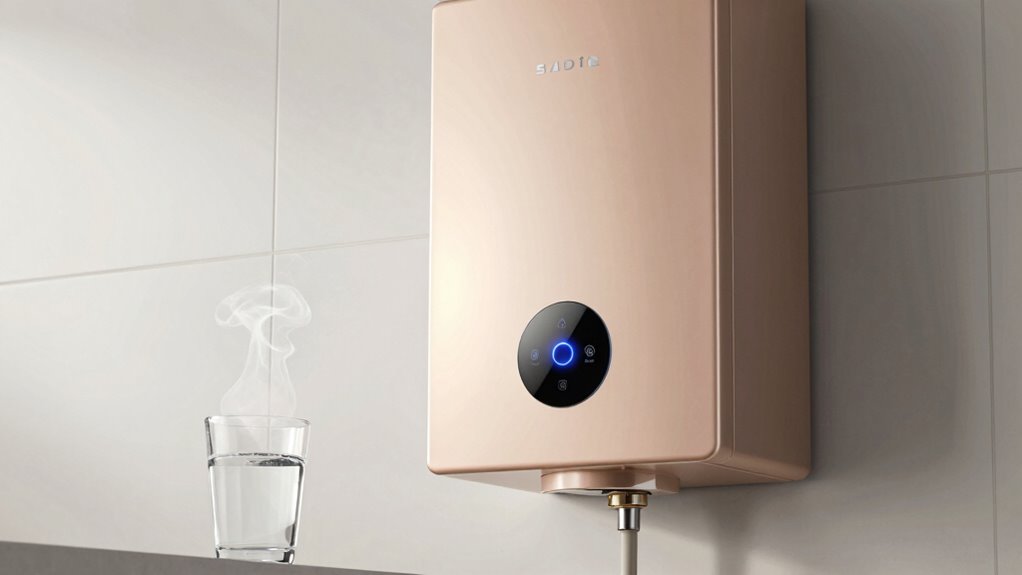
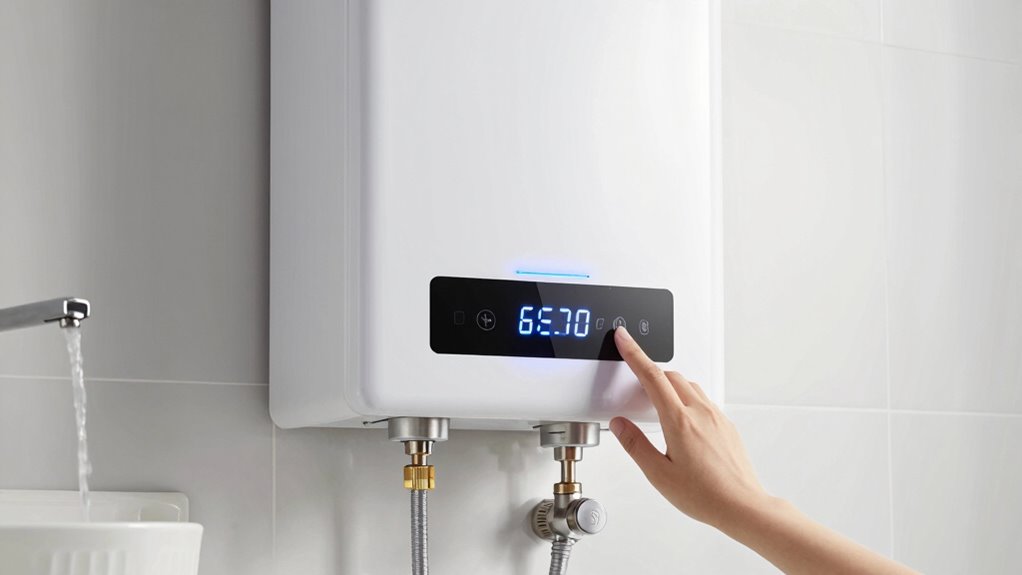
Have you ever wondered how quickly a tankless water heater is ready to deliver hot water after you turn it on? It’s a common question, especially when you’re used to traditional tank models that provide hot water almost instantly. With tankless systems, the story isn’t quite the same. While they’re often praised for their energy efficiency, the startup time can vary depending on several factors. When you flip the switch, the heater needs a moment to detect the demand, ignite the burner or heat element, and warm the water to your desired temperature. This process usually takes a few seconds to a minute, but it’s not always as instantaneous as a tank system. One of the main reasons for this delay is the nature of tankless technology itself. Unlike traditional tanks that store hot water, tankless heaters heat water on demand. When you turn on the tap, cold water flows through the unit and is quickly heated by an electric element or gas burner. The initial lag occurs because the system needs to identify the water flow, activate the heating mechanism, and bring the water up to temperature. This is especially noticeable if the heater has been inactive for a while, as it has to reheat the water from cold. Energy efficiency plays a significant role here. Because tankless units only heat water when needed, they avoid standby heat loss associated with tank models. However, this efficiency can sometimes come with a small trade-off in startup time. It’s worth noting that newer models with advanced technology tend to heat water faster, reducing the delay you experience. Still, it’s important to understand that “instant” is somewhat of a misnomer. It’s closer to “near-instant,” with the actual startup time depending on the unit’s size, design, and the temperature of incoming water. Additionally, proper installation and sizing are crucial factors that can influence how quickly your tankless heater reaches optimal performance. While the unit itself might be quick to start up once installed, the initial setup can be more complex and potentially costlier than traditional systems. Proper sizing and professional installation are essential for maximum performance, which can add to the upfront investment. But once installed, the system’s energy-efficient operation can save you money over time, offsetting the initial costs.
tankless water heater instant hot water
As an affiliate, we earn on qualifying purchases.
As an affiliate, we earn on qualifying purchases.
Frequently Asked Questions
Do All Tankless Heaters Have the Same Startup Time?
Not all tankless heaters have the same startup time. It varies based on factors like unit size and temperature fluctuations. Smaller units heat water faster, offering nearly instant hot water, while larger units may take longer to reach your desired temperature, causing slight delays. If you experience temperature fluctuations or require continuous hot water, choosing a unit suited to your household size guarantees better performance and minimizes wait times.
How Does Water Temperature Affect Startup Time?
Water temperature considerably impacts your tankless heater’s startup time. When water is colder due to temperature fluctuation, the heater works harder to reach your desired hot water temperature, increasing startup time. Proper heater insulation helps maintain consistent temperature, reducing delay. So, if your water’s colder, expect a longer wait as the heater adjusts, but good insulation can minimize this delay, ensuring quicker hot water delivery.
Can Installation Location Speed up Heating Startup?
Yes, installation location can speed up heating startup. Placing your tankless heater closer to your point of use reduces piping length, which minimizes water travel time and heat loss. Shorter piping means hot water reaches you faster, making the system feel more instant. Keep in mind, ideal installation proximity helps improve overall efficiency and reduces the delay between turning on the tap and hot water delivery.
Are There Maintenance Tips to Reduce Startup Delays?
You can reduce startup delays by keeping up with maintenance routines and regular system inspections. Clean mineral buildup from filters and heat exchangers to guarantee smooth operation. Check for any leaks or corrosion that might affect performance. Also, inspect electrical components and connections periodically. Staying proactive with these maintenance tasks helps your tankless heater respond faster, minimizing delays and ensuring you get hot water quickly when you need it most.
How Does Hot Water Demand Impact Startup Duration?
Hot water demand directly impacts startup duration; when you turn on the tap, demand fluctuations cause the heater to work harder, delaying hot water delivery. If your hot water flow spikes suddenly, the system needs extra time to heat water to the desired temperature. You can minimize delays by scheduling consistent usage and avoiding sudden demand surges. Steady, smaller demand fluctuations help your heater respond promptly and efficiently.
As an affiliate, we earn on qualifying purchases.
Conclusion
Remember, while tankless heaters are often called “instant,” they typically take about 2-3 seconds to heat water to your desired temperature. That might not sound like much, but it’s enough for a quick shower or dish rinse. Notably, a study found that 60% of users expect immediate hot water, but reality shows there’s always a brief wait. Understanding this helps you set realistic expectations and avoid frustration with your new system.
As an affiliate, we earn on qualifying purchases.
tankless water heater installation kit
As an affiliate, we earn on qualifying purchases.
As an affiliate, we earn on qualifying purchases.
Halloween Picks
halloween
As an affiliate, we earn on qualifying purchases.