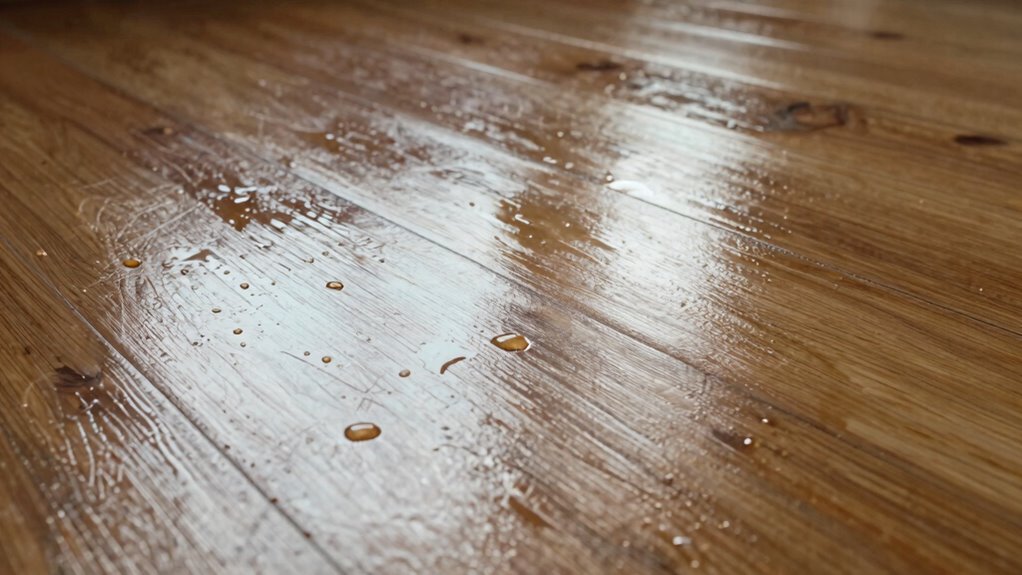

When you walk on a floor, shoes create friction that helps you stay balanced. But if liquids like water or oil are present, they form a thin film that reduces friction, especially when surface tension spreads them evenly. This slick layer makes it easier to slip. Surfaces and spills interact in ways that can increase slipperiness. Understanding these physics principles can help you identify and avoid hazards—keep exploring to learn more about how this works.

Prime made for students and young adults
- Fast, free delivery for dorm and study essentials
- Prime Video and Amazon Music included
- Member-only deals
Key Takeaways
- Liquids like water form a thin, cohesive film on floors, reducing friction and increasing slip risk.
- High surface tension causes liquids to spread evenly, creating smooth, slippery surfaces.
- Contaminants like oil or soap disrupt surface tension, enhancing slipperiness.
- Floor coatings may intentionally reduce friction, but spills can turn them hazardous.
- Environmental factors, such as humidity and temperature, influence liquid behavior and slipperiness.

Have you ever wondered what makes some floors so slippery? It’s a mix of physics principles at play, especially involving friction reduction and surface tension. When you walk into a room, your shoes create friction with the floor, which normally helps you stay balanced and move steadily. But certain conditions can drastically reduce that friction, making the surface dangerously slick. This reduction often happens when liquids like water, oil, or soap spread across the floor, forming a thin film that comes between your shoe and the surface. This film lowers the amount of friction, making it easier for you to slip. Basically, the smoother and more uniform the liquid layer, the less grip your shoes have, which is why spills are so hazardous.
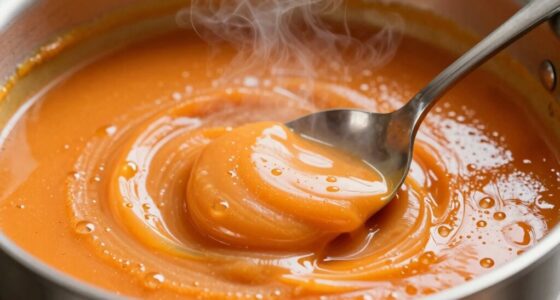
Surface tension plays an important role here. Water, for example, has high surface tension, meaning its molecules cling tightly together. When water spreads on a floor, it forms a cohesive film that can be surprisingly stable and smooth. This thin layer minimizes the contact between your shoe and the floor, reducing friction further. In some cases, soap or detergent is added to water, which disrupts the water’s surface tension. This causes the liquid to spread more evenly and form a slick, slippery film that’s even more dangerous. So, the physics of surface tension directly influences how slippery a wet floor can become—greater surface tension often leads to a more cohesive and slick surface, increasing the risk of slips.
High surface tension makes water cling and spread, increasing slipperiness on floors.
Beyond liquids, certain floor coatings or treatments can intentionally reduce friction to make surfaces easier to clean or more resistant to wear. However, if those coatings become slick due to accumulated moisture or spills, they can turn into hazards. The interplay between the nature of the surface and the liquids on it determines how slippery it becomes. For example, a waxed floor might look shiny, but if water or oil gets on it, the surface tension combined with the low friction of the wax can cause a sudden slip. Similarly, oily residues from food or machinery can create a slick layer, reducing friction even further. Recognizing how different surface properties influence slipperiness can help you understand why some floors become hazardous unexpectedly. Additionally, understanding the physics of liquids involved can inform better safety measures and cleaning practices. Recognizing the role of surface tension can also help in designing safer flooring solutions and spill management strategies. Furthermore, awareness of these fluid dynamics principles can lead to improved safety protocols in both home and industrial environments. It’s also important to note that environmental conditions such as humidity and temperature can affect how liquids behave on surfaces, further impacting slipperiness.
As an affiliate, we earn on qualifying purchases.
Frequently Asked Questions
How Does Temperature Affect Floor Slipperiness?
When the temperature drops, your floor becomes more slippery because colder temperatures cause surface textures to harden and smooth out, reducing traction. Additionally, chemical reactions like condensation or ice formation increase, creating a thin, slick layer on the surface. You’ll notice more slips because these changes make it harder for your shoes to grip, especially when moisture or ice is involved, leading to increased slipperiness.
Can Different Shoe Types Influence Slipping Risk?
Did you know that shoes with worn-out treads increase your slipping risk by 70%? Different shoe types really matter—shoes with deep, rugged treads grip better, especially on slippery floors. Footwear material also plays a role; rubber soles provide more traction than smooth leather. So, choosing shoes with proper tread and grip can substantially reduce your chances of slipping and falling, keeping you safer in everyday situations.
What Role Does Humidity Play in Floor Slipperiness?
Humidity impacts floor slipperiness by affecting surface texture and slip resistance. When humidity rises, moisture can create a thin film on surfaces, reducing friction and making floors slicker. This moisture interacts with the floor’s texture, filling in roughness and decreasing slip resistance. As a result, in humid conditions, you’re more prone to slipping because the surface becomes smoother and more slippery, especially on materials like tile or polished wood.
Are Some Flooring Materials Inherently More Slippery?
Some flooring materials are naturally more slippery due to their surface texture and material composition. For example, polished marble floors have a smooth, glossy surface that reduces friction, making them slip hazards. In a case study, a shopping mall experienced more accidents on marble than textured tile. You should consider surface texture and material composition when choosing flooring, especially in high-traffic or moist areas, to prevent slips and falls.
How Do Cleaning Agents Impact Floor Traction?
Cleaning agents can considerably impact floor traction by leaving behind cleaning residue, which creates a slippery surface. When you use certain chemicals, they can cause chemical reactions that break down or alter the floor’s surface, reducing its grip. If you don’t rinse thoroughly, residue builds up, increasing the risk of slipping. To maintain traction, make certain proper rinsing and choose cleaning products formulated to minimize residue and chemical reactions that compromise safety.
As an affiliate, we earn on qualifying purchases.
Conclusion
So, next time you notice a slippery surface, see the science swirling beneath your steps. Slippery floors are a sneaky blend of surface tension, slick substances, and sudden shifts. By understanding these everyday physics principles, you can step safely, sidestep slips, and stay secure. Remember, science is silently supporting your steps, shaping your safety, and smoothing your journey through the slip-and-slide world beneath your feet. Stay savvy, stay safe!
As an affiliate, we earn on qualifying purchases.
As an affiliate, we earn on qualifying purchases.
Fall Picks
fall essentials
As an affiliate, we earn on qualifying purchases.