
Environmental factors like poor air quality, inadequate insulation, excessive noise, poor lighting, and unbalanced humidity levels can make your home feel uncomfortable and less inviting. Stale air, drafts, loud external sounds, dim or harsh lighting, and high or low humidity can all disrupt your comfort and health. Addressing these issues involves improving ventilation, insulation, lighting, and humidity control. Keep exploring to discover practical ways to create a more cozy, healthy living space.
Key Takeaways
- Poor indoor air quality from pollutants, mold, or inadequate ventilation causes stuffiness and respiratory discomfort.
- Temperature fluctuations due to insufficient insulation or HVAC issues lead to an unsteady, uncomfortable indoor environment.
- Excessive noise from external sources or internal appliances disrupts relaxation and sleep.
- High humidity or moisture problems promote mold growth and make spaces feel damp and stuffy.
- Clutter, poor lighting, and lack of natural light diminish a home’s inviting and calming atmosphere.
How Poor Air Quality and Ventilation Affect Your Home’s Comfort

Poor air quality and inadequate ventilation can particularly disrupt your home’s comfort. When pollutants like dust, pet dander, or indoor chemicals build up, they make the air feel stuffy and can trigger allergies or respiratory issues. An air purifier helps by filtering out airborne particles, improving indoor air quality quickly. However, without proper air exchange—bringing in fresh air and removing stale indoor air—you’ll still feel the effects of poor ventilation. Open windows when possible, or use mechanical ventilation systems to maintain a steady flow of fresh air. Combining an air purifier with good air exchange practices ensures your home’s atmosphere stays clean, fresh, and comfortable. Additionally, air quality management plays a vital role in maintaining a healthy and comfortable living environment. This proactive approach helps you breathe easier and creates a healthier living environment overall, especially when paired with proper ventilation techniques. Ensuring proper air circulation is also key to preventing the buildup of indoor pollutants and maintaining comfort. For optimal results, selecting a high-quality air purifier that suits your space can significantly enhance air cleanliness and overall comfort.
Why Insulation Is Key to Regulating Your Indoor Climate
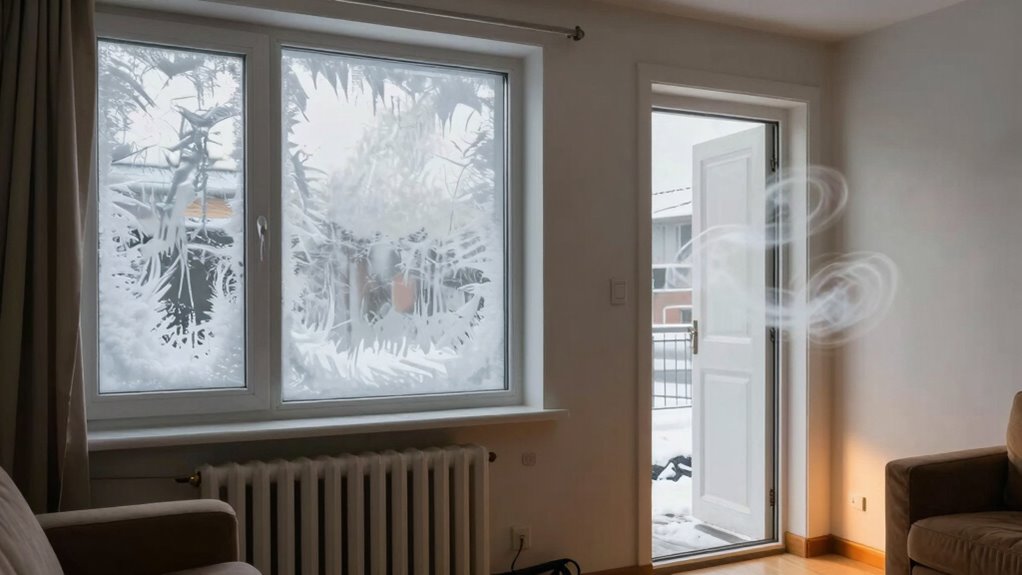
While good ventilation helps keep indoor air fresh, maintaining a consistent and comfortable temperature also relies heavily on proper insulation. Insulation acts as a thermal barrier, preventing heat from escaping in winter and keeping heat out during summer. Deep-sky imaging techniques highlight the importance of protecting sensitive equipment from environmental fluctuations, much like insulation safeguards your home’s interior. Choosing the right insulation materials—like fiberglass, foam, or mineral wool—enhances your home’s energy efficiency. These materials reduce temperature fluctuations, making your living space more comfortable year-round. Without effective insulation, you’ll notice drafts, uneven temperatures, and higher energy bills. Proper insulation not only boosts comfort but also helps protect your home’s structure from moisture and temperature-related damage. Energy-efficient building design emphasizes the importance of insulation in creating sustainable living environments. Investing in quality insulation is essential for creating a stable indoor climate and reducing your environmental impact. Additionally, insulation installation techniques ensure maximum effectiveness and durability of the thermal barrier. Ensuring proper air sealing around insulation can further improve its performance and energy savings.
How Noise Pollution Disrupts Your Home Environment

Noise pollution from outside or inside your home can make it hard to relax and focus. Constant disturbances disrupt your sleep and may affect your overall health. Managing environmental factors such as noise levels is essential for maintaining a peaceful living space. Incorporating soundproofing techniques or creating free floating zones can help minimize unwanted noise and enhance comfort. Engaging in aquatic exercise can also provide a calming environment that counteracts stressful noise exposure. Additionally, understanding modern kitchen technology can offer innovative solutions like smart appliances designed to reduce ambient noise and create a more tranquil home atmosphere. Exploring home improvement options that include noise-reducing materials can further support a peaceful environment.
External Noise Intrusions
External noise intrusions can considerably disrupt the peace and comfort of your home, making it difficult to relax or concentrate. When loud sounds from traffic, construction, or neighbors invade your space, they drown out natural light and outdoor odors, which are essential for a calming environment. These disturbances can cause stress, disrupt sleep, and reduce your overall well-being. Even if your windows are closed, persistent noise infiltrates, affecting your focus and mood. To combat this, consider installing soundproof windows or using outdoor barriers. Creating a quiet sanctuary allows you to enjoy the benefits of fresh outdoor odors and natural light without interference, helping your home feel more comfortable and restful. Additionally, choosing durable, high-quality materials for your home furnishings can help absorb noise and reduce echoes, further enhancing the tranquility of your space. Incorporating soundproofing techniques can significantly improve your environment, making your home more peaceful and conducive to relaxation. Implementing specialized insulation can also help block external noise sources more effectively. Using filtering and pump protection systems in your home can prevent additional noise caused by equipment malfunction or inefficiency, contributing to a quieter environment. Furthermore, understanding the importance of acoustic design can lead to more effective noise reduction strategies, tailored to your specific needs.
Indoor Noise Levels
Indoor noise levels can profoundly impact your home’s comfort, especially when loud sounds from appliances, televisions, or conversations disturb your peace. To reduce these disruptions, consider installing soundproof windows, which block external noise and create a quieter indoor environment. Properly managing indoor noise not only enhances tranquility but also helps you focus, relax, and enjoy your space without constant disturbance. Investing in soundproofing measures is a practical step toward creating a peaceful, more comfortable home environment. Incorporating soundproofing techniques can further optimize your home’s acoustic comfort and reduce noise transmission. Additionally, understanding the impact of noise pollution can guide you in selecting the most effective solutions for your specific needs. Being aware of environmental considerations can help you implement sustainable and effective noise reduction strategies.
Sleep Disruptions and Health
When your sleep is interrupted by disruptive sounds, your overall health can suffer greatly. Noise pollution can fragment your sleep environment, making it harder to reach deep, restorative stages. Over time, this disruption can impair immune function, increase stress, and even affect your dream analysis, leading to vivid or restless dreams. To understand the impact, consider how noise levels vary in your home:
| Noise Level | Impact on Sleep | Health Consequences |
|---|---|---|
| Low | Slight disturbance | Mild fatigue |
| Moderate | Frequent awakenings | Increased stress |
| High | Interrupted REM sleep | Long-term health issues |
| Constant | Poor sleep quality | Chronic fatigue |
| Sudden | Startle responses | Anxiety, hypertension |
Additionally, sound insulation techniques can greatly improve your sleep quality by reducing environmental noise. Proper soundproofing can help prevent noise from penetrating your sleep space, creating a more consistent environment. Enhancing your acoustic environment through strategic placement of furniture or use of soft materials can further diminish noise levels. Incorporating noise-reducing measures and understanding how soundproofing materials work can be an effective way to create a more peaceful sleep setting. Optimizing your sleep environment minimizes disruptions, promoting healthier, more restful nights.
How Lighting Choices Influence Your Home’s Welcoming Feel

Lighting plays a crucial role in shaping your home’s welcoming atmosphere. When you choose the right lighting, your space instantly feels warmer and more inviting.
Good lighting creates an inviting, warm atmosphere that makes your home feel instantly welcoming.
Incorporate decorative lighting like stylish lamps or pendant fixtures to add personality and charm. Maximize natural light during the day by opening curtains and positioning furniture to catch sunlight.
Soft, warm bulbs create a cozy vibe in the evening, while dimmers give you control over brightness. Avoid harsh, fluorescent lights that feel cold and uninviting.
Instead, layer different types of lighting to add depth and warmth. Remember, lighting influences mood—so select options that make your home feel comfortable and welcoming for everyone. Incorporating the science behind lighting can help you choose the most effective options.
How Humidity Levels Can Make Your Home Uncomfortable: and How to Fix It
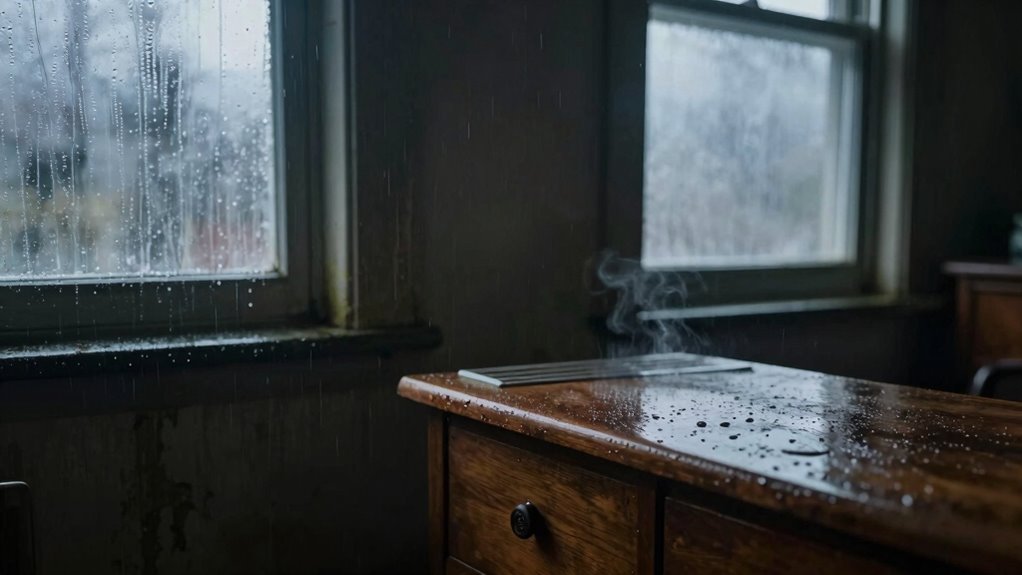
High humidity can make your home feel damp and uncomfortable. Low humidity can cause dryness and irritation. Recognizing the signs of too much or too little moisture helps you take control.
Luckily, there are simple solutions to maintain the right humidity levels and keep your home comfortable.
Effects of Excess Humidity
Excess humidity can considerably disrupt the comfort of your home by making the air feel sticky and heavy. It often leads to mold growth, musty odors, and increased dust mites, which can trigger allergies and respiratory issues.
High humidity levels also hinder indoor plant benefits, as too much moisture can harm your plants and reduce their air-purifying effects. Additionally, excess moisture makes it harder to optimize daylight, creating a dim, steamy environment that feels oppressive.
You might notice condensation on windows or walls, which worsens the air quality. To improve comfort, consider using dehumidifiers, increasing ventilation, and managing moisture sources.
Maintaining a balanced humidity level helps you enjoy a healthier, more comfortable space where indoor plants thrive and daylight is better utilized.
Signs of Low Humidity
When your home feels dry and your skin starts to itch, it’s a clear sign that your indoor humidity might be too low. Poor indoor air quality can lead to discomfort, dry throat, and static electricity. You may also notice frequent nosebleeds or cracked lips.
Low humidity can cause wooden furniture and floors to crack or warp, indicating moisture loss. If you find yourself running the heater constantly without relief, it’s a sign humidity levels are off.
Natural ventilation can help, but if it’s insufficient, you might experience dry air even with windows open. Recognizing these signs helps you address humidity issues early, improving indoor air quality and making your home more comfortable and healthier to live in.
Humidity Control Solutions
If your home feels dry and your skin itches, simply recognizing the problem isn’t enough—you need effective ways to restore proper humidity levels. Using humidity sensors helps you monitor moisture levels accurately, so you know when to act.
A dehumidifier can remove excess moisture, but proper dehumidifier maintenance ensures it works efficiently. Here are some solutions to improve humidity control:
- Regularly clean and check your dehumidifier
- Use humidity sensors to track levels consistently
- Seal leaks to prevent humidity intrusion
- Ventilate rooms properly, especially bathrooms and kitchens
- Use humidifiers in dry seasons to add moisture
Implementing these strategies keeps humidity balanced, creating a more comfortable, healthier home environment.
Detecting and Addressing Ventilation Problems in Your Home
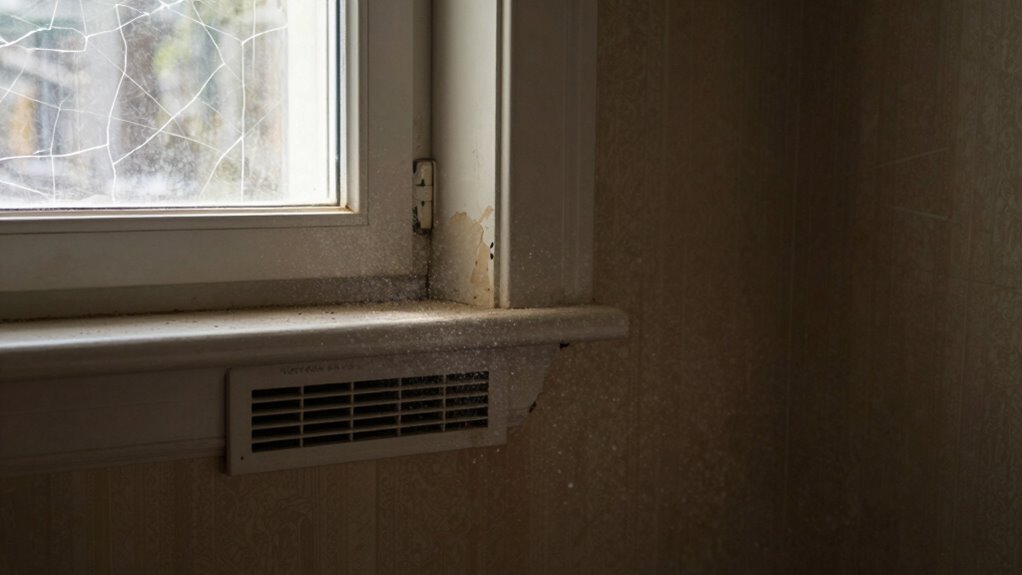
Detecting ventilation problems starts with paying attention to noticeable signs inside your home. Poor air quality, lingering odors, or stuffy rooms often indicate inadequate ventilation. You might notice that windows don’t seem to help, or that the air feels stale even when the HVAC system is running.
Listen for unusual sounds from your ventilation system, like rattling or uneven airflow. Check for excessive condensation on windows or walls, which can signal moisture buildup due to poor airflow.
To address these issues, inspect your ventilation system for blockages or leaks, and consider increasing fresh air intake or using exhaust fans in trouble spots. Proper ventilation guarantees better air quality, making your home more comfortable and healthier.
How Clutter and Disorganization Can Make Your Space Feel Less Cozy
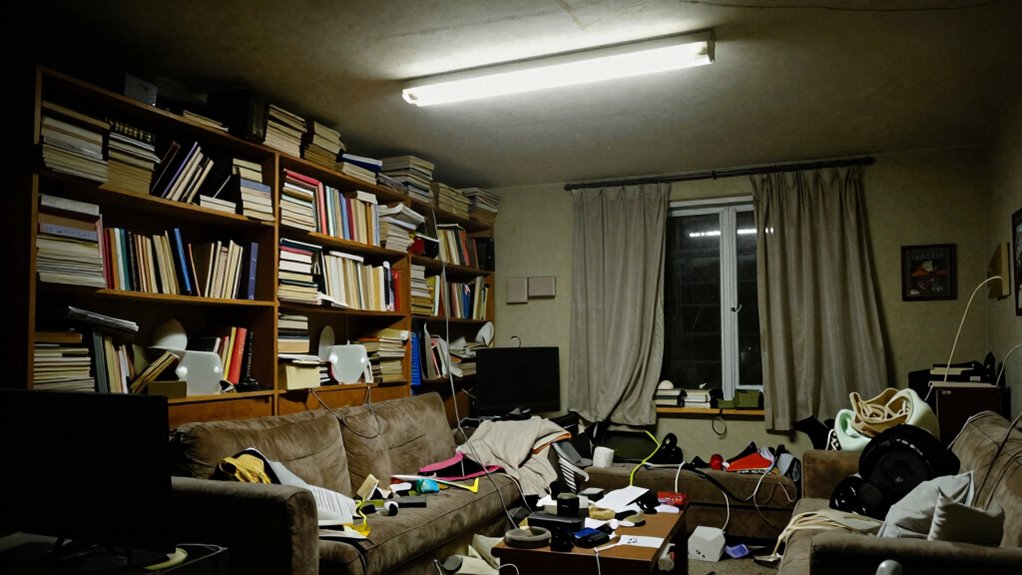
Clutter and disorganization can considerably detract from the coziness of your home by creating visual chaos and reducing open space. When your surfaces are cluttered with papers, dishes, or random items, it’s harder to relax and feel at ease.
Disorganized spaces also make it difficult to appreciate decorative accents or choose soothing color schemes that promote comfort. To enhance coziness, consider decluttering regularly and storing items out of sight.
Incorporate a consistent color palette to unify your space and create a calming atmosphere. Adding well-placed decorative accents, like soft throw pillows or artwork, can also improve the overall vibe.
Managing Temperature Fluctuations for Year-Round Comfort
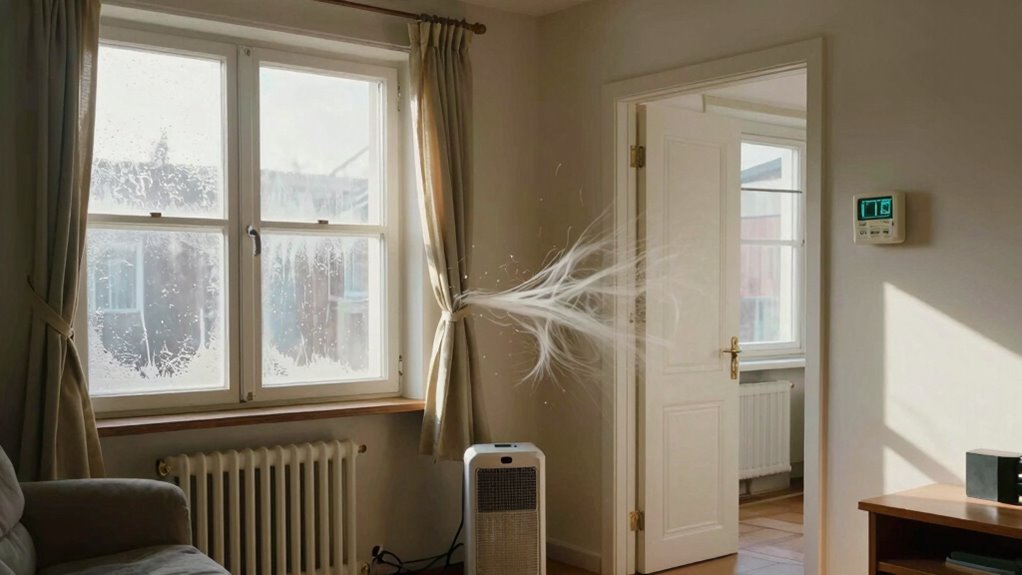
Temperature fluctuations can make your home uncomfortable and disrupt your sense of coziness throughout the year. To maintain thermal comfort, you need to make seasonal adjustments that keep your environment stable.
Use programmable thermostats to automatically shift temperatures based on the time of year, ensuring your home stays warm in winter and cool in summer.
Insulating walls, windows, and doors helps prevent heat loss and keeps indoor temperatures steady.
Ventilation and humidity control also play a role, preventing drafts and excess moisture that can amplify temperature swings.
Practical Steps to Identify and Resolve Hidden Environmental Issues
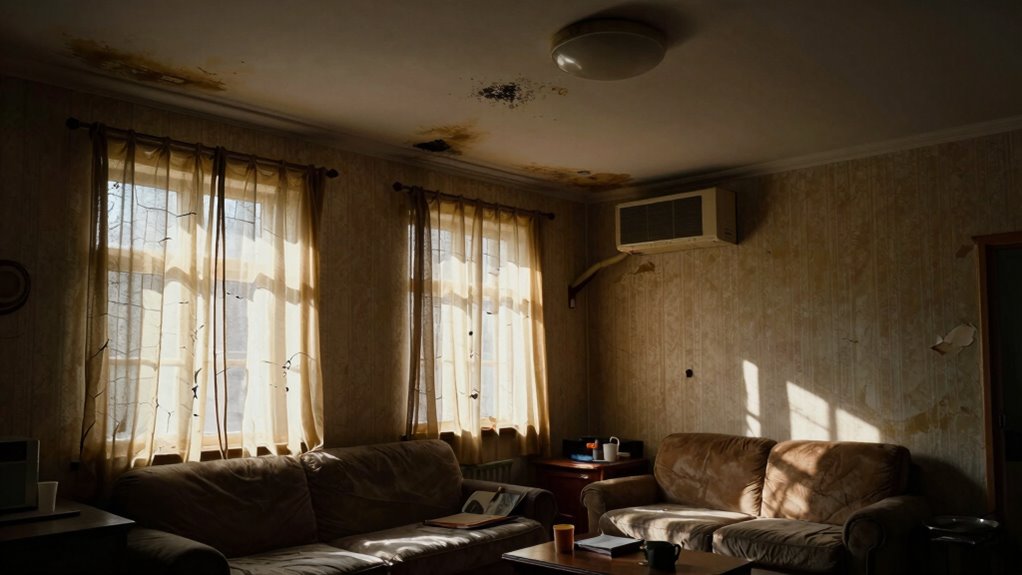
Hidden environmental issues often lurk behind everyday problems like drafts, odors, or persistent allergies, making it essential to identify and address them promptly. To do this, start by inspecting your insulation; poor insulation can cause temperature swings and reduce air quality. Check for drafts around windows and doors, and consider using a candle or incense stick to detect air leaks.
Test your home’s air quality with a simple kit or professional assessment, especially if odors or allergies persist. Regularly clean ventilation systems and filters to improve airflow. Lastly, monitor humidity levels to prevent mold growth.
- Inspect insulation for gaps or damage
- Seal drafts with weatherstripping or caulk
- Use air quality monitors for real data
- Clean HVAC filters regularly
- Control humidity to prevent mold
Frequently Asked Questions
How Does Outdoor Air Pollution Affect Indoor Home Comfort?
Outdoor air pollution can considerably impact your indoor comfort by introducing pollutants that make the air less breathable.
To combat this, you should use indoor air filtration systems that trap harmful particles.
Additionally, effective ventilation strategies help bring in fresh air and remove contaminants, improving overall comfort.
Regularly maintaining these systems ensures your home stays healthier and more comfortable despite outdoor pollution.
Can Indoor Plants Improve Air Quality and Overall Comfort?
Think of indoor plants as natural air filters, like tiny guardians working tirelessly for your comfort. Yes, they can improve air quality and boost overall comfort when their plant health is maintained.
Studies show plants like snake plants and pothos effectively remove toxins through air purification. By caring for them, you create a healthier, more inviting space, turning your home into a calming oasis that actively fights indoor pollutants.
What Are the Signs of Poor Insulation in a Home?
You notice signs of poor insulation when you feel drafts around windows or doors, which often indicate insulation gaps. Cold spots on walls or ceilings and increased heating bills also point to inadequate insulation.
If your home feels uncomfortably warm or cold without reason, it’s a sign that your insulation isn’t working effectively. Addressing window drafts and sealing insulation gaps can improve comfort and energy efficiency.
How Do Seasonal Changes Impact Indoor Humidity Levels?
Seasonal changes can cause humidity fluctuations that turn your home into a rollercoaster of dampness and dryness. In winter, you might feel like you’re trapped in a desert with arid air, while summer brings suffocating humidity.
Seasonal ventilation becomes essential to balance these extremes. Properly managing airflow and moisture levels keeps your home comfortable, preventing mold or dryness from taking over your living space.
Are Certain Flooring Materials Better for Thermal Comfort?
Certain flooring materials are better for thermal regulation because they help maintain consistent indoor temperatures. For example, carpet provides insulation, keeping warmth in during winter and coolness during summer.
Hardwood and tile flooring can feel colder underfoot but can be balanced with area rugs or underfloor heating systems.
Conclusion
By tuning into your home’s environment, you can transform it into a cozy sanctuary. Imagine walking through warm, fresh air that flows freely, soft lighting that invites relaxation, and a space free from clutter and noise. Addressing factors like air quality, insulation, and humidity helps you create a haven where comfort feels natural. With a few simple steps, you’ll turn your house into a welcoming retreat, wrapping you in a sense of peace and ease every day.