TL;DR
Listen free for 30 days with Audible
Thousands of audiobooks and originals — cancel anytime.
Start your free trialAs an affiliate, we earn on qualifying purchases.
El Niño conditions are intensifying, with forecasts predicting notable impacts on winter weather across the US. Experts warn of increased storms, droughts, and temperature fluctuations, though specific effects remain uncertain.
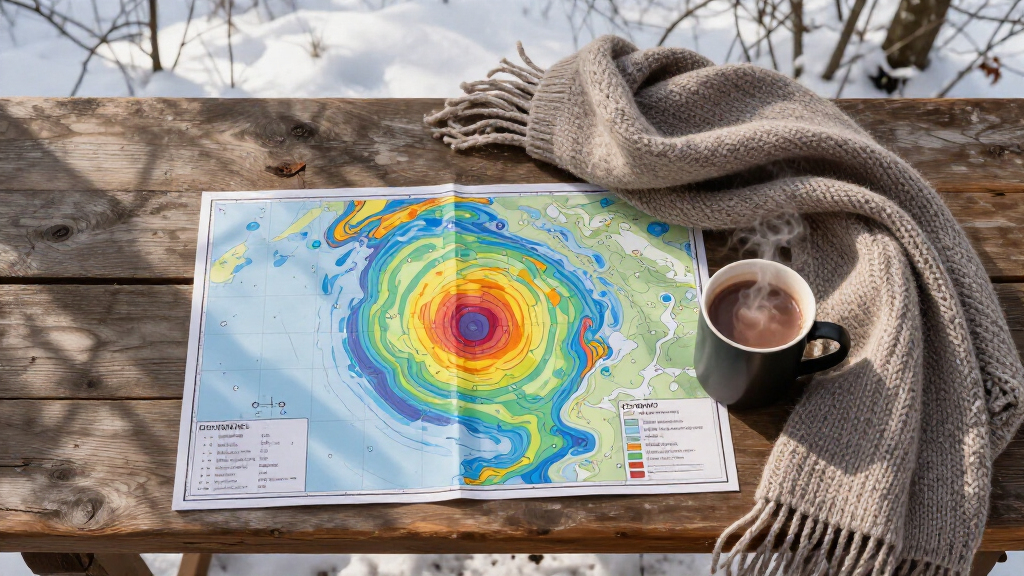
Forecasters confirm that El Niño conditions are strengthening in the Pacific Ocean, with significant implications for winter weather across the United States. This phenomenon, characterized by warmer-than-average sea surface temperatures, is expected to alter typical seasonal patterns, leading to increased storm activity in some regions and drought conditions in others. The development matters because it could influence everything from snowfall and flooding to energy demand and agricultural productivity this winter, especially during a super El Niño winter weather.
Recent climate models and meteorological analyses indicate that El Niño conditions are intensifying in the Pacific Ocean, with significant implications for winter weather across the United States. The National Weather Service and climate agencies have issued preliminary forecasts suggesting increased likelihood of heavy storms and flooding in the southern US, particularly along the Gulf Coast and southeastern states. Conversely, parts of the Pacific Northwest and northern Rockies may experience drier conditions and warmer temperatures, which could exacerbate drought conditions and forest fire risks. While these general trends are confirmed based on current oceanic and atmospheric data, the precise severity, timing, and regional distribution of impacts remain uncertain, as the US 2026 Winter Weather Forecast suggests. Weather experts caution that El Niño’s influence can vary significantly from year to year, and local factors will also shape the specific outcomes. The forecast models are still being refined as additional oceanic data becomes available, and the overall impact will depend on how strongly the phenomenon develops over the coming weeks.Why El Niño Impacts Matter for US Winter Planning
The expected impacts of El Niño on winter weather are significant because they can affect public safety, infrastructure, agriculture, and energy use. Increased storm activity and flooding risks in the southern US may lead to transportation disruptions and property damage, while drought conditions in the West could worsen water shortages and forest fire risks. For policymakers and emergency services, understanding these potential changes is crucial for planning and resource allocation. Additionally, the economic implications, such as insurance claims and agricultural yields, could be substantial if forecasts materialize as predicted.
As an affiliate, we earn on qualifying purchases.
El Niño’s Historical Influence on US Winter Weather
El Niño is a climate pattern that occurs roughly every two to seven years, marked by warmer-than-average sea surface temperatures in the central and eastern tropical Pacific Ocean. Historically, El Niño has been linked to increased storm activity and wetter conditions in the southern US, along with warmer, drier conditions in the Pacific Northwest and parts of California. Past events have caused significant flooding, droughts, and economic impacts, making the current development a key focus for seasonal forecasting. The last major El Niño occurred in 2015-2016, which led to notable weather disruptions across the country.
As an affiliate, we earn on qualifying purchases.
Uncertainties in the Strength and Regional Effects of El Niño
Although current forecasts point to an active El Niño phase, the precise strength, timing, and regional impacts are still uncertain. Climate models vary in their predictions, and factors such as ocean-atmosphere feedbacks could influence the final outcome. Experts emphasize that while some impacts are likely, the severity and distribution may differ from past events, making ongoing monitoring essential.
As an affiliate, we earn on qualifying purchases.
Monitoring and Preparing for Winter Weather Changes
Meteorologists and climate agencies will continue to monitor oceanic and atmospheric signals over the coming weeks. Updated forecasts are expected as more data becomes available, helping authorities prepare for possible extreme weather events. Public advisories and preparedness campaigns may be issued in regions predicted to experience heightened risks, and individuals are encouraged to stay informed about local weather alerts as the season approaches.
As an affiliate, we earn on qualifying purchases.
Key Questions
How does El Niño typically affect winter weather in the US?
El Niño usually leads to wetter and stormier conditions in the southern US and drier, warmer weather in the Pacific Northwest and northern regions. These patterns can cause flooding, droughts, and temperature fluctuations.
When will the full impact of El Niño be clear?
The full impact will become clearer as the phenomenon develops over the next few months, with forecasts refining closer to winter. Monitoring continues through the fall and early winter.
Are these impacts guaranteed or just possible?
While forecasts indicate likely impacts based on current data, the exact severity and regional effects are not yet certain. Variability in ocean-atmosphere interactions means some impacts may differ from predictions.
What should residents do to prepare for potential impacts?
Residents should stay informed through local weather updates, prepare emergency kits, and review flood and fire safety plans, especially in regions prone to severe weather or drought.
Source: google-trends
Flea & tick season Picks
flea and tick prevention
As an affiliate, we earn on qualifying purchases.