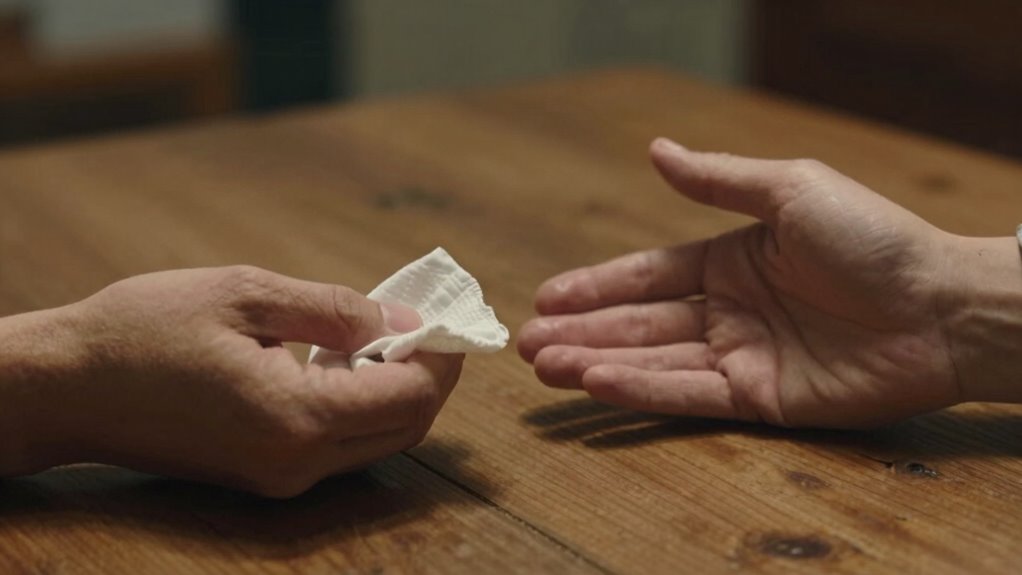

To apologize without sparking another fight, timing and sincerity are key. Wait until both of you are calm, and speak gently with genuine remorse, clearly acknowledging how your actions affected the other person. Listen carefully to their feelings and validate them, avoiding excuses or blame. Follow through on promises to rebuild trust, and learn from the experience to improve future communication. If you want to master these steps, there’s more to discover below.
Key Takeaways
- Choose the right time when emotions are calm to deliver a sincere, calm apology.
- Use clear, direct language that acknowledges specific hurt without excuses or blame.
- Practice active listening and validate the other person’s feelings to foster understanding.
- Maintain a gentle tone and respectful body language to prevent defensiveness.
- Follow through on promises and show ongoing empathy to rebuild trust and prevent repeat conflicts.
Why Do Some Apologies Make Things Worse?

Sometimes, apologies backfire because they can come across as insincere or dismissive. One reason is that you might hit emotional triggers without realizing it. For example, apologizing too quickly after an incident can seem like you’re minimizing their feelings or trying to brush things off. Conversely, waiting too long to apologize might make your words seem forced or hollow. Timing is essential; an ill-timed apology can escalate the situation instead of easing it. Additionally, if your apology doesn’t acknowledge specific feelings or causes, it can feel meaningless or even patronizing. When you ignore emotional triggers or misjudge the right apology timing, it risks making things worse, creating more distance instead of healing. Recognizing these pitfalls helps you avoid unintentional damage. Understanding the importance of context can help you craft more genuine and effective apologies. Being aware of emotional responses allows you to tailor your approach and avoid inadvertently triggering defensiveness. Paying attention to non-verbal cues can also provide insight into how your apology is being received and whether it resonates authentically. Moreover, understanding vetted strategies for effective communication can significantly improve the success of your apologies. Incorporating supportive language can further demonstrate your sincerity and willingness to mend the relationship.
What Makes an Apology Sincere and Effective?

A sincere and effective apology clearly acknowledges the specific hurt you caused and demonstrates genuine remorse. To do this, you need emotional honesty—acknowledging what went wrong without excuses or defensiveness. Your tone should be sincere, showing you truly understand the impact of your actions. Avoid vague apologies like “Sorry if I hurt you,” and instead be direct: “I’m sorry I hurt you by…” This sincerity helps the other person feel heard and respected. An effective apology also takes responsibility without shifting blame, reinforcing your commitment to make things right. When your words come from the heart and reflect genuine remorse, it becomes easier to rebuild trust and prevent the apology from turning into another argument. Recognizing the importance of authenticity in your apology can also help ensure your words are perceived as truly heartfelt. Additionally, incorporating sound healing science principles, such as using calm and composed communication, can promote a more receptive environment for reconciliation. Practicing mindful communication during your apology can further enhance understanding and healing. Being aware of emotional honesty can significantly increase the likelihood of a meaningful resolution, especially if it aligns with your awareness of fiber-rich communication that supports emotional digestion.
When Is the Best Time to Apologize?

The timing of your apology can profoundly influence its effectiveness; delivering it too soon or too late may diminish its impact. Consider timing considerations carefully—wait until both of you have had a chance to cool down and reflect. Rushing to apologize when emotions are still high might seem insincere or trigger defensiveness. Conversely, delaying too long can make your apology feel delayed or insincere. Focus on emotional readiness; confirm you’re genuinely prepared to acknowledge your mistake without blame or excuses. When both of you are calmer and more receptive, your apology is more likely to be received with understanding. The right moment is when your partner seems open to conversation and emotions have settled enough for a constructive dialogue. Understanding emotional timing can significantly improve the response to your apology, especially if you consider emotional stability as a key factor in effective communication. Recognizing emotional cues can help you identify the best moment to apologize, and being mindful of timing ensures your sincerity is perceived clearly. Paying attention to cybersecurity measures in your interactions can also help build trust and prevent misunderstandings.
How to Say Sorry in a Calm and Respectful Way

When you’re ready to apologize, speaking in a calm and respectful manner helps your words land more sincerely. Pay attention to your tone balance—maintaining a gentle, steady voice shows your genuine remorse without sounding defensive or aggressive. Your word choice matters too; choose words that are humble and clear, avoiding blame or excuses. Say “I’m sorry” directly and sincerely, and focus on how your actions affected the other person. Keep your language simple and respectful, avoiding sarcasm or dismissiveness. By controlling your tone and selecting respectful words, you create an environment where the apology feels authentic. This approach encourages understanding and paves the way for a healthier, more constructive conversation. Additionally, understanding electric bike speeds can help you discuss your feelings about the situation more effectively, especially if related to safety concerns.
Listening and Validating Feelings During the Conversation

How can you make sure the other person feels truly heard during an apology? The key is practicing active listening and providing emotional validation. Show you’re engaged by maintaining eye contact, nodding, and using verbal affirmations. Reflect their feelings by paraphrasing what they share, which confirms you understand. Pay attention to their tone and body language, demonstrating genuine empathy. Avoid interrupting or dismissing their emotions. Instead, acknowledge their pain and validate their experience, even if you see things differently. This approach fosters trust and creates a safe space for honest dialogue. Remember, effective listening isn’t just about hearing words; it’s about truly understanding and validating their feelings to help heal the situation. Incorporating emotional awareness can further deepen your connection and improve communication during difficult conversations. Being attentive to non-verbal cues helps you better grasp their emotional state and respond appropriately. Developing active listening skills enhances your ability to respond empathetically and reduces misunderstandings, making your apology more sincere and effective. Recognizing vetted deals related to emotional support resources can offer further guidance and tools for handling sensitive conversations. Additionally, understanding the importance of celebrity transformations in public perception can remind us to approach apologies with humility and authenticity to rebuild trust.
Common Mistakes That Can Worsen Your Apology

Avoiding common mistakes during an apology is essential because even well-intentioned efforts can backfire if you’re not careful. One mistake is offering insincere apologies, which can make the other person feel dismissed or unheard. When you apologize without genuine remorse, it seems superficial and can worsen the situation. Another pitfall is responding with passive aggressive responses, such as sarcasm or dismissiveness, instead of taking responsibility. These reactions undermine your apology and can escalate the conflict. Avoid deflecting blame or justifying your actions during the apology. Instead, focus on acknowledging your mistake sincerely. By steering clear of insincerity and passive aggression, you increase the chances of repairing trust and moving toward resolution.
How to Follow Up and Show You’re Truly Sorry

To truly show you’re sorry, you need to express genuine remorse clearly and without excuses. Taking full responsibility for your actions demonstrates sincerity and respect. Consistently following through on your promises helps rebuild trust and proves your commitment to making things right.
Express Genuine Remorse Clearly
When you want to show you’re truly sorry, expressing your remorse clearly and sincerely is essential. Your words should carry a sincere tone and emotional honesty that resonates with the other person. To do this effectively:
- Use simple, direct language that reflects your genuine feelings
- Avoid excuses; focus on how your actions affected them
- Maintain eye contact and a calm tone to reinforce your sincerity
Take Responsibility Fully
Once you’ve expressed your genuine remorse, it’s important to demonstrate that you’re willing to accept full responsibility for your actions. Taking ownership means clearly acknowledging what you did wrong without shifting blame or making excuses. Avoiding blame shows maturity and sincerity, helping rebuild trust. Instead of saying, “I’m sorry if you felt upset,” say, “I was wrong to do that, and I understand how it hurt you.” This reinforces that you’re accountable for your behavior. Showing you accept full responsibility helps prevent misunderstandings and signals that you’re committed to making things right. It also encourages your partner to do the same, fostering open communication and a healthier resolution. Your willingness to take responsibility is key to genuine reconciliation. Being aware of your behavioral patterns can help you avoid repeating the same mistakes in the future. Recognizing patterns of behavior that lead to conflicts can help you develop healthier ways to communicate and resolve issues. Developing emotional awareness can further support your efforts to prevent similar conflicts.
Follow Through Consistently
Following up consistently is essential to demonstrate that your apology is genuine and that you’re committed to making amends. When you show emotional intelligence through regular actions, it reinforces your sincerity. Effective communication plays a key role—keep checking in and listening actively to make certain your efforts are recognized.
- Keep your promises and follow through on commitments to rebuild trust
- Show empathy by understanding their feelings and validating their experience
- Be patient and avoid rushing the process, demonstrating your ongoing support
When to Seek Help or Mediation for Difficult Conflicts

Knowing when to seek help or mediation is crucial in resolving difficult conflicts before they escalate further. If you notice the disagreement is stuck in a cycle of blame or emotion, it’s a sign that conflict resolution may require outside help. Emotional intelligence plays a key role here; recognizing your limits and the other person’s feelings helps you determine when professional intervention is necessary. When conversations become hostile, unproductive, or involve sensitive issues that trigger intense emotions, mediation can provide a neutral space for both sides. Don’t hesitate to ask a trained mediator or counselor for support if you feel the conflict is beyond your ability to resolve alone. Seeking help early can prevent misunderstandings from snowballing into damaging fights.
Reflect and Learn to Improve Your Apology Skills

Reflecting on your apology helps you understand what worked and what didn’t, enabling you to improve your future responses. By evaluating your emotional awareness, you can recognize how your feelings influenced your tone and delivery. Focus on tone control to ensure your apology feels genuine rather than defensive. Consider these points:
- Identify moments where you maintained or lost emotional awareness during the apology.
- Notice how your tone affected the other person’s response and adjust accordingly.
- Learn from any missteps to refine your approach, making future apologies more effective.
Practicing reflection helps you become more conscious of your emotions and how they shape your communication. Over time, this builds your ability to apologize sincerely, reducing misunderstandings and strengthening relationships.
Frequently Asked Questions
How Can I Tell if My Apology Is Genuine?
You can tell your apology is genuine if you speak with a sincere tone and maintain open, honest body language. When you make eye contact, use a calm voice, and avoid defensive gestures, it shows you’re truly sorry. Your words should acknowledge the hurt caused and express regret without excuses. If your actions match your words over time, it confirms your apology’s sincerity, making the other person feel valued and understood.
What Are Signs That My Apology Isn’T Being Accepted?
Your apology might not be accepted if their non-verbal cues seem cold or distant, like a wall that’s built up. Watch for emotional responses, such as eye-rolling, sighing, or avoiding eye contact, which signal resistance. If they remain silent or react with anger or indifference, it shows your apology isn’t landing. Recognizing these signs helps you understand their feelings, so you can approach the situation with more empathy and patience.
How Do I Apologize if I Hurt Someone Unintentionally?
When you hurt someone unintentionally, you should apologize sincerely, focusing on apology timing and observing non-verbal cues. Approach them when they seem receptive, not angry or dismissive. Use open body language and maintain eye contact to show your honesty. Clearly express regret, acknowledge the impact, and avoid excuses. Your genuine remorse combined with good timing and attentive non-verbal cues helps the other person accept your apology and move forward.
Can Apologies Repair Broken Relationships Over Time?
Think of apologies as the first brick in rebuilding trust and emotional healing, much like laying a foundation in ancient times. Yes, apologies can repair broken relationships over time if you’re sincere and consistent. They show you acknowledge the hurt, fostering understanding. Over time, your efforts to rebuild trust can transform wounds into stronger bonds, as long as you remain patient and committed to genuine change.
What Are Alternative Ways to Express Remorse Besides Words?
You can express remorse through non-verbal cues like genuine eye contact, a soft tone, or a heartfelt hug, which often speak louder than words. Additionally, consider sending a written apology—whether a heartfelt letter or a thoughtful message—showing your sincerity. These actions demonstrate your remorse, helping to rebuild trust and connection without escalating tensions, making your apology more meaningful and less likely to trigger another fight.
Conclusion
So, next time you’re tempted to apologize, remember that saying “sorry” isn’t a magic fix. Sometimes, your best apology is just listening, staying calm, and actually caring. Ironically, the more you try to fix things quickly, the more they can blow up. But if you approach it with patience and honesty, you might just avoid turning a simple apology into yet another reason to argue. Who knew?