
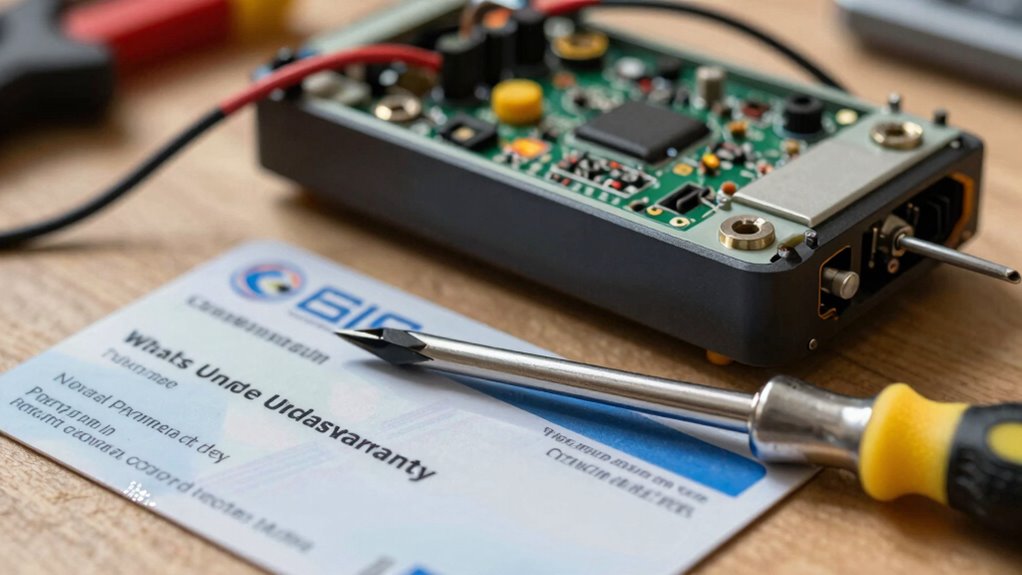
Many warranty plans seem simple but often hide important limitations. You might assume coverage includes accidental damage or certain parts, but often these are excluded. Misunderstanding what’s really covered can lead to unexpected costs or denied claims. To avoid falling into this trap, it’s essential to review the fine print and understand restrictions beforehand. If you want to learn how to spot these hidden details and protect yourself better, keep exploring these key tips.
Open a free Amazon Business account
Business pricing, bulk buying and tax-exempt orders.
As an affiliate, we earn on qualifying purchases.
Key Takeaways
- Read the fine print to understand actual coverage and avoid false assumptions about what’s included.
- Extended warranties often exclude damages from misuse, accidental spills, or natural disasters.
- Manufacturing warranties typically cover defects but may not include accidental or cosmetic damages.
- Confirm if consumables like batteries or filters are covered, as they are frequently excluded.
- Knowing specific limitations and exclusions helps prevent surprises and ensures proper protection.
Understanding your warranty coverage is essential to protecting your investment. When you buy a product, especially expensive electronics, appliances, or vehicles, you rely on the warranty to shield you from unexpected costs. However, many warranties come with extended protections that aren’t always obvious at first glance. These extra benefits can provide peace of mind, covering things like accidental damage, wear and tear, or specific parts that standard warranties overlook. But it’s equally important to be aware of coverage exclusions—those situations or damages that aren’t covered under the warranty terms. Knowing the difference between what’s covered and what’s excluded helps you avoid surprises and costly repairs down the line.
Knowing what your warranty covers and excludes helps you avoid surprises and costly repairs.
Extended protections can be a significant advantage, especially if you want to safeguard your purchase against common issues that aren’t typically included in basic warranties. For instance, some warranties might offer accidental damage coverage if you’re worried about drops, spills, or other mishaps. Others might extend the duration of coverage beyond the manufacturer’s standard period, giving you longer peace of mind. These protections can be worth the extra investment, but only if you understand exactly what they cover and how they work. Sometimes, an extended protection plan can seem like a safety net, but it’s vital to read the fine print. Many times, these plans have specific conditions or limitations that could render the coverage less comprehensive than you expect.
Coverage exclusions are equally important to recognize. Many warranties exclude damages caused by misuse, neglect, or unauthorized repairs. For example, if you accidentally damage your device by dropping it or spilling liquid on it, the warranty may not cover the repair costs. Additionally, certain parts might be excluded from coverage, such as batteries, filters, or consumables, which can often wear out over time. Understanding these exclusions prevents you from assuming your warranty is an all-encompassing safety net when it’s not. It’s common for warranties to exclude damages resulting from natural disasters, improper installation, or modifications. Knowing these limitations helps you make informed decisions about whether additional insurance or protection plans are worthwhile. Furthermore, consulting warranty documentation can provide clearer insights into specific coverage details and limitations.
In the end, the key to avoiding the warranty trap is to thoroughly review the terms and conditions. Don’t just assume what’s covered based on marketing claims or word of mouth. Take the time to understand the scope of extended protections and identify coverage exclusions upfront. Doing so empowers you to make smarter choices, whether that means purchasing additional coverage or simply being more careful with your product. Protecting your investment isn’t just about having a warranty; it’s about knowing exactly what it covers and what it doesn’t, so you’re never caught off guard when issues arise.
Frequently Asked Questions
How Can I Tell if a Repair Is Covered Before Service?
To tell if a repair is covered before service, check your product registration to confirm warranty details. Review the warranty expiration date to guarantee you’re still eligible. Contact the manufacturer or retailer directly, and ask about specific coverage for your issue. Keep documentation handy, and clarify what is included under the warranty to avoid surprises. Doing this upfront saves you time and potential costs.
Are Extended Warranties Worth the Additional Cost?
Think of extended warranties as a safety net—sometimes it’s worth the cost, sometimes not. They can provide peace of mind if manufacturer policies cover common repairs, but customer testimonials often reveal hidden fees or limited coverage. Before buying, weigh the cost against potential repairs, and consider your vehicle’s reliability. If you’re risk-averse and want predictability, an extended warranty might be worth it; otherwise, it’s a gamble.
What Steps Should I Take if a Claim Is Denied?
If your claim gets denied, review the warranty’s terms for loopholes or exclusions. Contact the warranty provider to dispute the decision, clearly explaining your case. If unresolved, consider escalation through dispute resolution or filing a complaint with consumer protection agencies. Keep detailed records of all communication and documentation. Being persistent and understanding your rights can help you navigate warranty loopholes and increase your chances of a successful resolution.
Do Warranties Cover Accidental Damage or Misuse?
Imagine tossing your phone into a volcano—warranty coverage doesn’t cover accidental damage or misuse, much like a volcano ignores your pleas. Manufacturer exclusions and coverage limitations often exclude such mishaps, leaving you high and dry. So, don’t expect your warranty to cover that epic drop or spilled coffee. It’s designed for defects, not your clumsy adventures. Read the fine print, and don’t rely on coverage for accidents you create.
How Does Warranty Coverage Differ Between Brands?
You’ll find that warranty coverage varies between brands, often influenced by brand loyalty and warranty limitations. Some brands offer thorough warranties, while others have strict restrictions on what’s covered, especially for accidental damage or misuse. Always read the fine print, as assumptions about coverage can lead to unexpected costs. Knowing each brand’s warranty policies helps you avoid surprises and ensures you get the support you need when issues arise.
Conclusion
Did you know that over 60% of consumers mistakenly believe their warranties cover more than they actually do? Now that you understand the fine print, don’t assume everything’s covered—read your warranty carefully. By knowing what’s included and what’s not, you can avoid costly surprises down the line. Stay informed and ask questions before you need to make a claim. It’s the best way to safeguard yourself and ensure your warranty truly works for you.
NFL season / tailgating Picks
team gear
As an affiliate, we earn on qualifying purchases.