
The spotlight effect makes you believe everyone notices your mistakes, outfit, or actions more than they actually do. This happens because your mind overestimates how visible you are and tends to focus on social cues as if they signal eye contact, scrutiny, or judgment. In reality, most people are too focused on their own worries and rarely pay attention to minor details about you. If you want to understand how to reduce this feeling and feel more confident, keep exploring further.
Key Takeaways
- The spotlight effect causes you to overestimate how much others notice your actions due to heightened self-awareness.
- People are generally focused on their own concerns, not paying close attention to minor mistakes or details about you.
- Your brain interprets social cues as more significant, leading to the false belief that you’re being watched or judged constantly.
- Social anxiety amplifies this perception, making you believe others scrutinize you more than they actually do.
- Recognizing this bias helps you understand that most people are unaware of your slip-ups, reducing unnecessary self-consciousness.

Allura & Arcia 52 Stress Less & Self Care Cards – Mindfulness & Meditation Exercises – Anxiety Relief & Relaxation
52 EASY EXERCISES FOR EVERYONE: This unique Self Care Deck contains 52 extremely effective exercises for mindfulness, meditation,…
As an affiliate, we earn on qualifying purchases.
As an affiliate, we earn on qualifying purchases.
What Is the Spotlight Effect?

Have you ever felt like everyone is watching you, even when no one is paying attention? That’s the spotlight effect in action. It’s a psychological phenomenon where you overestimate how much others notice your actions, mistakes, or appearance. This happens because of self-awareness—you’re hyperaware of yourself and your behaviors. If you struggle with social anxiety, this effect intensifies, making you believe everyone is scrutinizing you constantly. In reality, most people are focused on their own lives and rarely pay attention to others’ slip-ups. The spotlight effect creates a distorted perception, making you feel exposed and judged. Understanding this can help you realize that your worries are often exaggerated, easing feelings of social anxiety and boosting your confidence. Recognizing the self-perception bias behind this effect can empower you to challenge these inaccurate beliefs. Additionally, learning about how perception distortions influence your thoughts can further help in managing these feelings. Becoming aware of how your mind can create these false impressions is essential for developing better mental resilience in social settings. For example, cognitive biases like confirmation bias can contribute to reinforcing these false perceptions. Remember, the tendency to overestimate others’ attention is also linked to cognitive biases, which can be addressed through mindfulness and cognitive behavioral techniques.

Retrain Your Brain: Cognitive Behavioral Therapy in 7 Weeks: A Workbook for Managing Depression and Anxiety (Retrain Your Brain with CBT)
As an affiliate, we earn on qualifying purchases.
As an affiliate, we earn on qualifying purchases.
Why Do We Think Everyone’s Watching Us?

One reason we believe everyone’s watching us is that we tend to overestimate our own visibility in social situations. This leads us to think that small mistakes or moments of public embarrassment are noticed by everyone, fueling our social anxiety. We imagine that others are scrutinizing us, which heightens feelings of self-consciousness and fear of judgment. This exaggerated perception makes us believe we’re under constant observation, even when others are focused elsewhere. Our minds amplify our own importance, so we worry about how we appear or what others think. In reality, most people are too caught up in their own concerns to notice every detail, but our tendency to overestimate our visibility keeps us feeling like we’re always under a spotlight. Understanding the ‘Spotlight Effect’ can help reduce these unwarranted fears and boost confidence in social interactions. Recognizing that social perception is often distorted can empower us to challenge these inflated beliefs. Additionally, studies show that consistent reminders about the exaggeration of our own importance can help mitigate these distorted perceptions.

The power of self-confidence: 9 steps to boost your self-esteem, conquer your fears and learn to love yourself (Self-Help and Personal Development)
Suitable for pneumatic tools and air compressors
As an affiliate, we earn on qualifying purchases.
As an affiliate, we earn on qualifying purchases.
What Causes the Feeling of Being Constantly Watched?
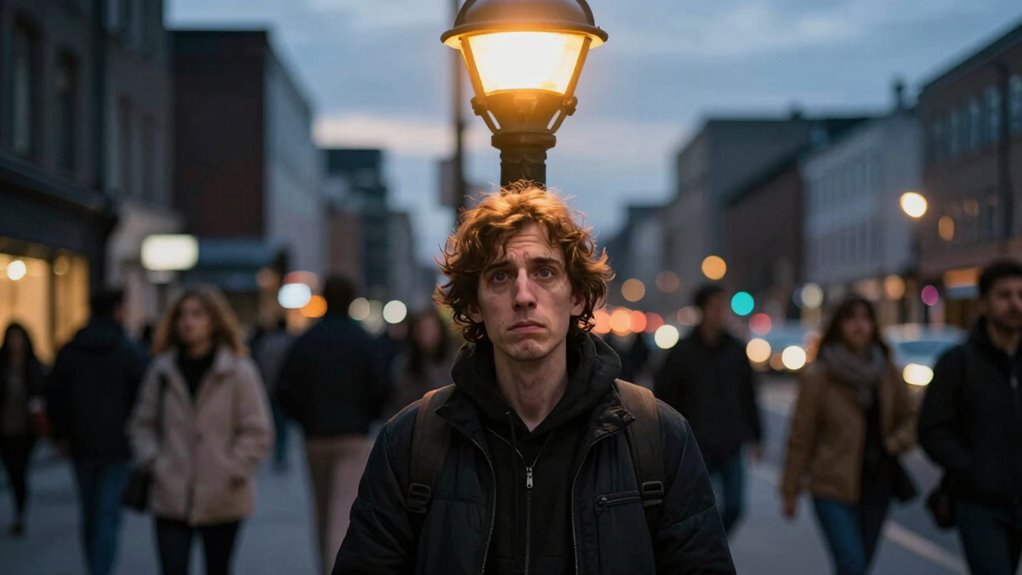
The feeling of being constantly watched often stems from our brain’s tendency to interpret social cues as more significant than they are. When you worry about public perception, your mind amplifies minor actions into signs that everyone is scrutinizing you. This heightened awareness is especially common if you experience social anxiety, which makes you hyper-alert to others’ reactions. Your brain tends to overestimate how much attention others pay to you, creating a persistent sense of being observed. This isn’t because you’re truly under constant surveillance but because your mind interprets social cues as more important than they are. Understanding cognitive biases, like the ‘Spotlight Effect,’ can help you recognize that these perceptions are often exaggerated. Additionally, the portrayal of complex characters like Ziva David from NCIS demonstrates how multifaceted personalities can influence perceptions and social interactions. Recognizing the perception distortion caused by this bias can empower you to challenge and reframe your thoughts about being watched. Moreover, awareness of social perception biases can assist in reducing feelings of paranoia and help foster a more balanced view of social situations.

Anxiety Relief for Teens: Essential CBT Skills and Mindfulness Practices to Overcome Anxiety and Stress
As an affiliate, we earn on qualifying purchases.
As an affiliate, we earn on qualifying purchases.
How Can You Stop Overestimating Attention and Feel More Confident?

Wondering how to stop overestimating how much attention you receive can feel overwhelming, but practical steps can help you regain confidence. Improving self-awareness is key—pay attention to your thoughts and challenge the belief that everyone notices your every move. Recognize that social anxiety often fuels these distortions, making you believe others are scrutinizing you constantly. To combat this, practice mindfulness to stay grounded in the present moment, reducing overthinking. Remind yourself that most people are focused on their own concerns and rarely notice small details about you. Building social confidence can be supported by understanding support breakfast options, which foster a welcoming environment for social interactions. Gradually exposing yourself to social situations can help build confidence. As Abraham Lincoln once said, timeless wisdom can serve as a reminder that even in challenging moments, perspective and patience are vital. Over time, these strategies reduce the spotlight effect’s grip, allowing you to see yourself more realistically and feel more comfortable in social settings.
Most People Don’t Notice You as Much as You Think
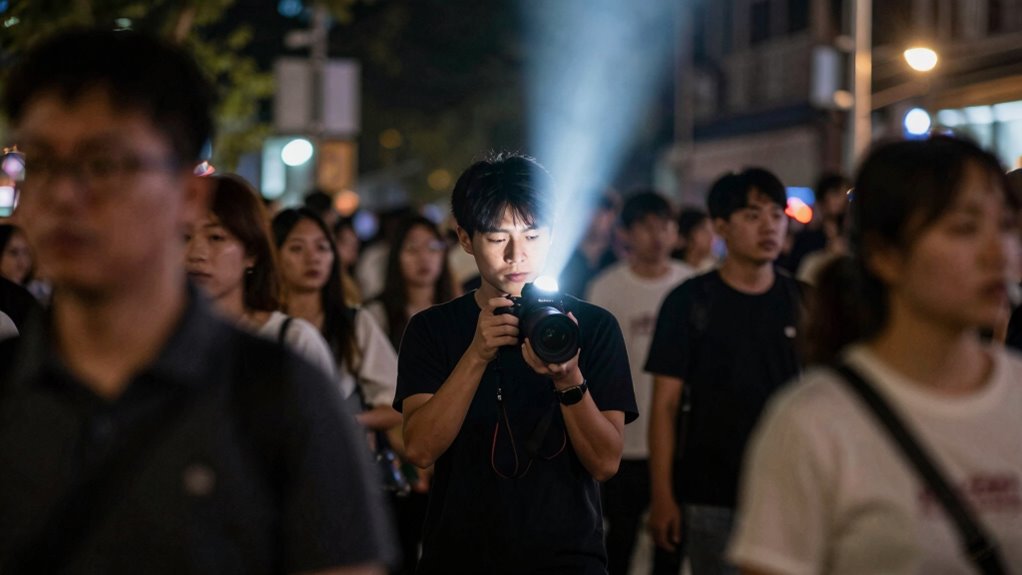
Many people overestimate how much others notice their actions, but in reality, most folks are too absorbed in their own lives to pay close attention. If you have social anxiety or feel self-conscious, it’s easy to believe everyone is watching and judging you. The truth is, most people are focused on their own concerns, mistakes, and worries. They rarely notice small details about you unless you draw attention to yourself. This means your fears about being judged or making a mistake are often exaggerated. When you realize that others aren’t scrutinizing you as much as you think, it becomes easier to relax and be yourself. Most people simply aren’t paying as much attention as your mind might make you believe.
Frequently Asked Questions
How Does the Spotlight Effect Affect Social Anxiety?
The spotlight effect makes you overestimate how much others notice your actions, increasing social anxiety. You become overly aware of your behavior and worry about public perception, which heightens self-awareness and fear of judgment. This cycle causes you to feel exposed or embarrassed, even when others aren’t paying much attention. Recognizing this bias helps you reduce anxiety by understanding that people are less focused on you than you believe.
Can the Spotlight Effect Be Reduced With Practice?
Like Icarus soaring higher, you can lessen the spotlight effect through practice. Mindfulness training helps you stay grounded, reducing overestimations of others’ attention. Exposure therapy gradually exposes you to social situations, building confidence and diminishing anxiety. With consistent effort, you’ll learn to see yourself more clearly, realizing others aren’t scrutinizing as much as you fear. Over time, your perception shifts, and the spotlight loses its blinding glare.
Does the Spotlight Effect Vary Across Different Cultures?
Yes, the spotlight effect varies across cultures due to different cultural perceptions and social norms. In collectivist societies, people tend to be less self-conscious and believe others are less focused on their actions. Conversely, individualist cultures often emphasize personal prominence, leading to a stronger spotlight effect. You might notice you’re more aware of others’ perceptions in some cultures, highlighting how social norms shape your awareness of being observed.
How Does the Spotlight Effect Influence First Impressions?
You’ll probably overthink your first impression, thanks to the spotlight effect. Your self-consciousness skyrockets, making you believe everyone’s judging every tiny move. In reality, others are too busy with their own social judgments to notice every detail. This illusion fuels anxiety, but remember, most people are less aware of your slip-ups than you imagine. So, relax—your perception of social scrutiny is more dramatic than the actual scene.
Are There Age Differences in Experiencing the Spotlight Effect?
Yes, age perception influences how you experience the spotlight effect. Younger people often feel more self-conscious, believing others notice every detail about them. As you age, generational differences emerge—older adults tend to be less affected, feeling more confident and less concerned about others’ judgments. This shift happens because life experiences build resilience, reducing the intensity of the spotlight effect over time.
Conclusion
Remember, the spotlight isn’t shining on you as brightly as you might think. Most people are busy with their own stories, so it’s okay to relax and let go of the feeling of constant observation. Instead of worrying about every glance, focus on being your authentic self. When you stop overestimating others’ attention, you’ll find more confidence and peace. Embrace your unique journey—after all, the world isn’t quite as focused on you as it appears.