
A healthy online community shows respectful and supportive interactions, with members using kind language and resolving conflicts calmly. Look for active moderation and clear guidelines that promote fairness. Notice consistent, constructive communication and inclusive participation from diverse members. Recognitions like milestones or shout-outs encourage engagement. When conflicts are handled professionally and member input is welcomed, the environment feels safe and vibrant. If you stay tuned, you’ll discover more ways to recognize a thriving community.
Key Takeaways
- Members consistently use respectful language and engage in constructive, meaningful interactions.
- Community moderators actively enforce clear guidelines, addressing issues promptly and transparently.
- Diverse participation is encouraged, with inclusive language and recognition of different viewpoints.
- Celebrations and milestones are regularly acknowledged, fostering a positive and supportive environment.
- Conflicts are resolved calmly through respectful dialogue, promoting trust and community cohesion.
How to Recognize Respectful and Supportive Interactions in a Community

Understanding respectful and supportive interactions in a community is essential for fostering a welcoming environment. You can recognize these interactions by observing how members communicate and treat each other. Respectful discussions avoid cyberbullying awareness issues by promoting kindness and understanding. Supportive members listen actively, offer encouragement, and validate others’ perspectives. They also respect privacy concerns, refraining from sharing personal information without consent. Look for comments that uplift rather than belittle, and responses that acknowledge different viewpoints without hostility. Consistent kindness and attentiveness signal a healthy community where members feel safe and valued. Recognizing positive communication patterns can help identify a community that truly fosters belonging and trust. When you see these behaviors, you know the community promotes positive engagement and genuinely supports its members’ well-being. Monitoring community health signals can help identify early signs of toxicity or negativity, ensuring the environment remains supportive. For instance, observing how conflicts are addressed with respectful dialogue can be a key indicator of a healthy online space.
Signs of Active Moderation and Clear Community Guidelines
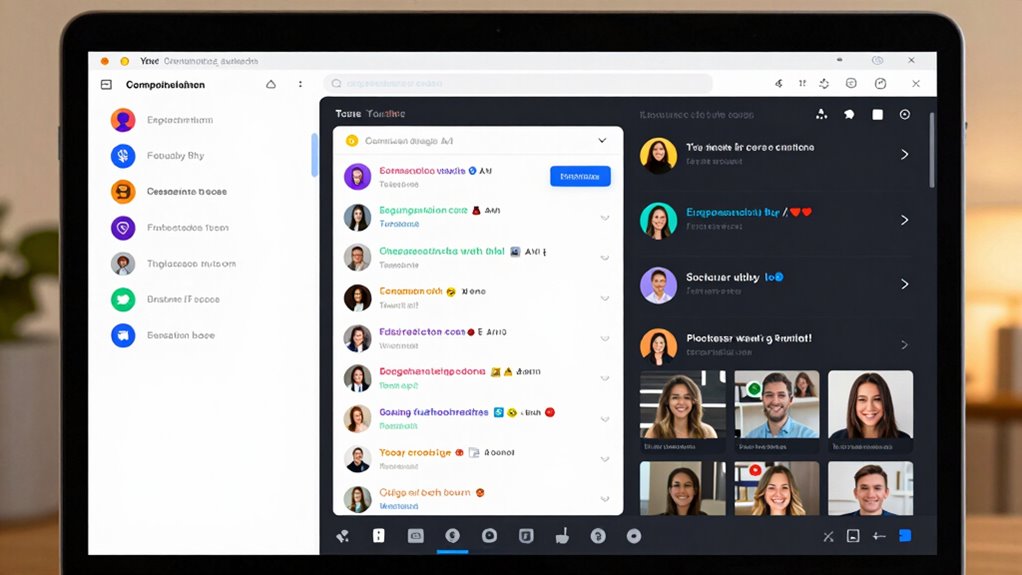
Active moderation is a key indicator of a healthy online community, as it guarantees rules are enforced consistently and issues are addressed promptly. You’ll notice clear community guidelines posted visibly, setting expectations for behavior and content. Moderation signals, such as timely responses to problematic posts or comments, demonstrate that moderators are actively engaged. When violations occur, swift action—like warnings or removals—shows a commitment to maintaining a respectful environment. Consistent enforcement of rules prevents chaos and encourages positive interactions. If you see ongoing efforts to clarify guidelines or address concerns openly, it indicates a community dedicated to fairness and transparency. Furthermore, ethical hacking practices can sometimes help identify vulnerabilities in community platforms, ensuring safety and security for all users. These signs of active moderation help foster trust and ensure the community remains welcoming and well-managed. Additionally, implementing community feedback mechanisms can provide members with a voice in rule enforcement and improvements, further promoting a healthy environment. Recognizing moderation practices that emphasize transparency and accountability can also reinforce community trust and engagement. Regular training for moderators ensures they stay informed about best practices, evolving community standards, and security protocols that safeguard user data.
How to Identify Consistent and Constructive Communication

You can spot consistent and constructive communication by paying attention to respectful language and thoughtful responses. Look for discussions where conflicts are resolved calmly and ideas are exchanged productively. When engagement remains steady over time, it shows a healthy, ongoing community dialogue. Additionally, observing how users manage privacy preferences and consent can indicate a community’s commitment to user trust and transparency. Recognizing environmental considerations in interactions, such as promoting respectful discourse and minimizing harm, also contributes to a healthy online environment. Being aware of media literacy helps users critically evaluate information and avoid spreading misinformation, fostering a more trustworthy community space. Promoting energy-efficient cloud solutions further supports sustainable online communities by reducing environmental impact.
Respectful Language Usage
Respectful language is essential for fostering constructive communication within a community. When you notice tone consistency, conversations stay respectful and avoid misunderstandings. Clear language guarantees everyone understands each other’s points without confusion. To identify respectful language usage, look for these signals:
- Messages maintain a polite and calm tone, even during disagreements.
- Language clarity is prioritized, avoiding ambiguous or harsh words.
- Responses show consistent respect, regardless of differing opinions.
Constructive Conflict Resolution
When conflicts arise in community discussions, recognizing constructive communication is key to resolving disagreements effectively. Look for members who give constructive feedback instead of personal attacks, focusing on the issue rather than individuals. Open dialogue is a sign that participants are willing to share perspectives honestly and listen to others’ points of view. Consistent, respectful exchanges demonstrate a commitment to understanding rather than winning arguments. Notice if disagreements are addressed with calm, clear language and if solutions are sought collaboratively. Healthy communities encourage members to express concerns openly while maintaining respect. This type of communication fosters trust and helps resolve conflicts productively, strengthening the community’s overall health and sense of safety. Paying attention to the tone of interactions can also reveal whether a community promotes a positive environment for growth and collaboration. Recognizing constructive conflict resolution techniques and applying empathy can further enhance understanding and empathy among members. Incorporating effective communication strategies, such as active listening and empathetic responses, creates a more supportive and resilient online environment.
Consistent Engagement Levels
Consistent engagement is a strong indicator of constructive communication within a community. When members regularly participate, it signals healthy community growth and helps retain members over time. To identify this, look for:
- Frequent, meaningful interactions—comments, replies, and shared ideas that foster dialogue.
- Steady participation rates across different members, showing inclusivity and shared investment.
- Positive tone and respectful exchanges that promote trust and collaboration.
These signals mean members feel valued and motivated to stay involved, which boosts community health. When engagement remains consistent, your community is more likely to thrive, grow, and retain members long-term. Recognizing these patterns helps you nurture a vibrant, constructive environment.
Recognize Inclusive Language and Diverse Participation

Using inclusive language and encouraging diverse participation are essential steps in fostering a welcoming community health environment. When you notice community members using inclusive language, it signals respect and openness, making others feel safe to share their perspectives. Look for language that avoids stereotypes, biases, or exclusionary terms. Promoting diverse participation ensures that various voices are heard, representing different backgrounds, cultures, and experiences. This diversity enriches conversations and fosters a sense of belonging. When community members actively invite different viewpoints and use respectful language, it indicates a healthy, inclusive environment. Recognizing these signals helps you gauge whether the community truly embraces inclusivity and values all members equally, creating a supportive space for everyone involved. Additionally, being aware of breast cancer symptoms can help community members support each other in early detection and promote overall health awareness. Incorporating diverse communication styles further enhances engagement and understanding among members. A community that embraces inclusive language and diverse participation often actively celebrates and learns from the unique cultural backgrounds of its members. Moreover, paying attention to the presence of free crypto opportunities within the community can indicate a culture of shared knowledge and mutual support.
Signs of Positive Feedback and Community Recognition

You’ll notice positive feedback when community members celebrate achievements and acknowledge each other’s contributions. These moments of recognition foster a sense of belonging and motivate continued participation. By paying attention to these signs, you can gauge the health and vibrancy of your online community. Recognizing community engagement is also essential, as active participation often correlates with a strong, supportive environment. Observing positive feedback such as shared successes and helpful interactions indicates a thriving and resilient community. Additionally, understanding fan culture can help identify authentic expressions of support that strengthen the community’s identity. Noticing community recognition through comments and shared experiences can further demonstrate the community’s cohesion and enthusiasm.
Celebrations of Achievements
How do communities effectively recognize and celebrate their achievements? They use virtual celebrations and milestone acknowledgments to highlight progress and motivate members. Celebrating achievements fosters a sense of pride and belonging. To make these moments impactful, consider these strategies:
- Host virtual celebrations that bring members together to share success stories
- Publicly acknowledge milestones in forums or newsletters
- Use badges or digital awards to recognize individual contributions
These signals show that your community values growth and effort. Celebrations of achievements boost morale and reinforce positive behavior. When members see their efforts celebrated, they’re more likely to stay engaged and contribute. Recognizing accomplishments doesn’t need to be elaborate; simple acknowledgments can profoundly strengthen community bonds and promote ongoing participation.
Recognition of Contributions
Recognizing contributions through positive feedback and community acknowledgment plays a pivotal role in fostering engagement. When you express gratitude for members’ efforts, it encourages continued participation and builds a sense of value. Simple acts like thanking someone for their helpful post or highlighting their achievement serve as powerful member recognition. These acts show you’re paying attention and appreciate their input, reinforcing positive behavior. Consistent gratitude expressions create a supportive environment where members feel seen and appreciated. When members are recognized for their contributions, it strengthens community bonds and motivates others to participate actively. Overall, acknowledging contributions through genuine appreciation is essential for cultivating a healthy, vibrant online community.
How to Spot Growing Engagement and Community Development

Ever wonder how to tell if your online community is truly growing and becoming more engaged? You’ll notice signs like increased member collaboration, shared goals, and active participation. Here are three key indicators:
- Members regularly contribute ideas and feedback, showing a sense of ownership.
- Discussions revolve around common objectives, fostering collective progress.
- New members are welcomed and integrated, expanding the community’s reach.
When members work together towards shared goals, engagement naturally deepens. Look for conversations that build on each other and collaborative projects that emerge organically. These signals show that your community isn’t just growing in numbers but developing in quality, with members genuinely invested in its success. Recognizing these cues helps you nurture ongoing engagement and community development.
How Conflicts Are Managed and Resolved Effectively

Effective conflict management is essential for maintaining a healthy online community. When disputes arise, your goal should be conflict de-escalation, helping members move past disagreements calmly. Encourage open communication and listen actively to understand different perspectives. Implement clear rules for respectful interactions, and ensure moderators are trained in dispute resolution techniques. When conflicts escalate, intervene early to prevent hostility from spreading. Use neutral language and focus on solutions rather than assigning blame. Promoting transparency and fairness fosters trust, making members feel safe to voice concerns. By managing conflicts effectively, you’ll turn disagreements into opportunities for growth and learning, strengthening the community. Remember, how you handle disputes can define your community’s health and resilience.
Recognize Opportunities for Member Input and Autonomy

How can you empower community members to feel more invested in the online space? By recognizing opportunities for member input and autonomy, you foster a sense of ownership and trust. When members see their community feedback valued and acted upon, they’re more likely to engage actively. To encourage this, consider:
- Providing clear channels for feedback, making it easy to share ideas or concerns.
- Allowing members to lead discussions or create content, promoting member autonomy.
- Recognizing contributions publicly to reinforce their importance.
These simple signals show you respect their voice and empower them to shape the community’s direction. When members feel their input matters, the community becomes healthier, more vibrant, and more resilient over time.
What the Overall Atmosphere Reveals About Community Health
The overall atmosphere of an online community offers valuable insights into its health and essentiality. When you observe the emotional tone, you can gauge if members feel supported, respected, and engaged. A positive emotional tone—friendly, encouraging, and inclusive—indicates strong community cohesion. Conversely, if the atmosphere feels tense, dismissive, or hostile, it suggests underlying issues that may undermine trust and participation. Community cohesion is reflected in how members interact, share, and collaborate. When members feel connected and valued, the community thrives. You can often sense this through the tone of conversations, responsiveness, and the overall vibe. A healthy online space fosters warmth and unity, making it easier for members to contribute and grow together.
Frequently Asked Questions
How Can I Tell if a Community Truly Values New Member Participation?
You can tell if a community values new member participation by noticing their welcome engagement and welcoming culture. If members greet newcomers warmly, ask questions, and include them in discussions, it shows they genuinely appreciate fresh perspectives. Look for active efforts to make newcomers feel comfortable, like introductory threads or mentorship programs. These simple signals indicate the community’s dedication to fostering a welcoming environment and valuing every member’s participation.
What Are Subtle Signs of Underlying Tension or Unresolved Conflicts?
You notice passive aggressive signals like sarcastic comments or subtle jabs, hinting at underlying tension. Silent disagreements may show up as members avoiding eye contact in chats or hesitating to share opinions. These quiet cues reveal unresolved conflicts simmering beneath the surface, creating an unspoken strain. If you observe members withdrawing or refusing to engage openly, it’s a clear sign that underlying issues need addressing before they escalate further.
How Does Community Feedback Influence Ongoing Improvements?
Your community feedback drives ongoing improvements by creating feedback loops that inform your actions. When members share their insights, you can analyze patterns and prioritize adjustments, fueling continuous improvement cycles. By actively listening and responding, you build trust and engagement, encouraging more input. This cycle helps the community evolve naturally, ensuring your platform stays relevant and healthy, while members feel valued and heard throughout the process.
What Role Does Transparency Play in a Healthy Online Community?
Imagine a clear glass window, revealing everything inside—transparency in your online community. When you foster community openness and honest communication, members feel safe sharing ideas and concerns. This openness builds trust, reduces misunderstandings, and encourages active participation. You create an environment where everyone knows they’re heard and valued, making the community stronger and more resilient. Transparency isn’t just a feature; it’s the foundation of a healthy, thriving online space.
How Can I Assess if Community Rules Are Fairly Enforced?
You can assess if community rules are fairly enforced by observing moderation consistency and rule clarity. Check if rules are applied equally to all members and if moderators explain their decisions transparently. Notice whether violations are addressed promptly and without bias. When rules are clear and enforced consistently, it indicates a fair moderation process, fostering trust and a healthier online community where members feel respected and understood.
Conclusion
So, next time you’re scrolling through your favorite online community, remember: a healthy vibe isn’t just about endless posts or likes. It’s the respectful chats, inclusive language, and active moderation that really show it’s thriving. Ironically, the most lively communities are often the ones where conflicts are managed well and members feel heard—proving that a little order and kindness go a long way in making online spaces truly great.