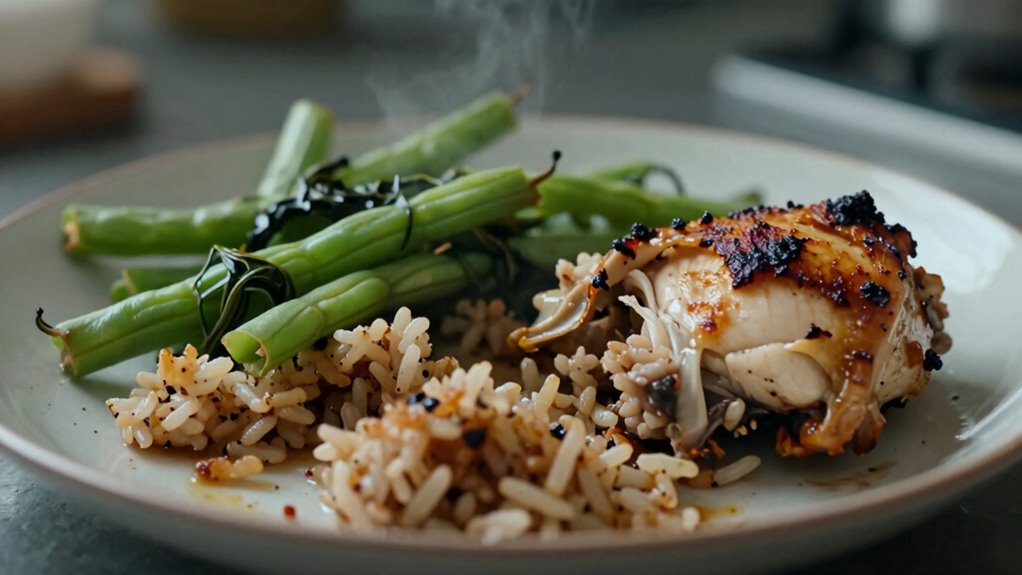

Leftovers can taste worse because improper storage, reheating, and environmental conditions cause flavor compounds to break down and spoil. When you store food in flawed containers or leave it out too long, oxygen and moisture get in, which dulls flavors and can cause sogginess. Uneven reheating or not cooling quickly enough also impact taste and texture. To keep leftovers flavorful, learn simple tips to improve storage and reheating techniques—you’ll be surprised at the difference.

Prime made for students and young adults
- Fast, free delivery for dorm and study essentials
- Prime Video and Amazon Music included
- Member-only deals
Key Takeaways
- Flavor compounds degrade over time, especially with improper storage, reducing the taste quality of leftovers.
- Exposure to air and moisture in non-airtight containers accelerates oxidation and flavor loss.
- Uneven reheating can cause overcooked or undercooked areas, diminishing flavor and texture.
- Leaving hot food out too long before refrigeration promotes bacterial growth and flavor deterioration.
- Poor storage conditions, like cross-odor transfer and low ventilation, impact freshness and overall flavor.
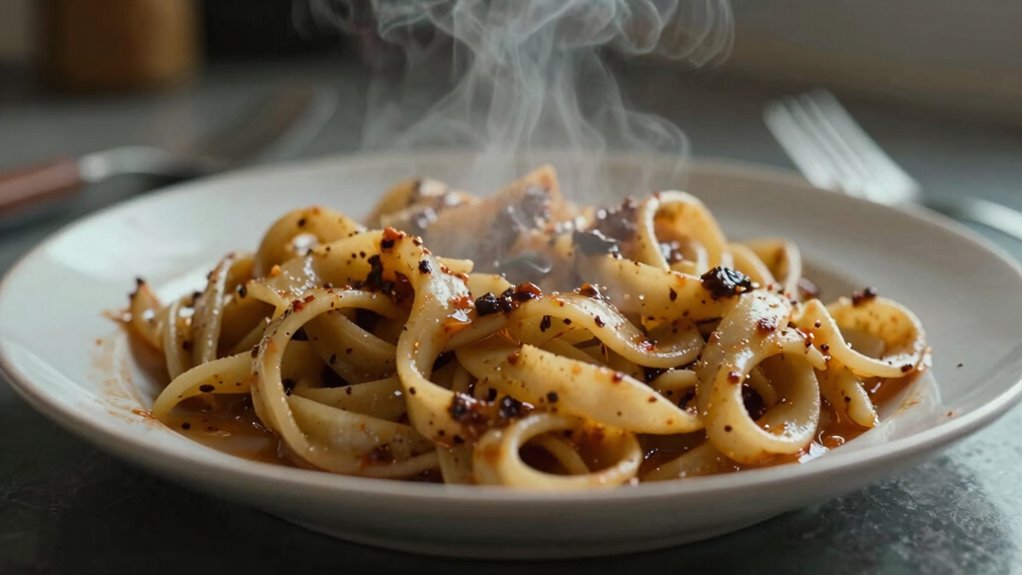
Many people notice that leftovers often taste worse the next day, and this isn’t just in your head. When you reheat food, it’s common to experience flavor degradation, where the taste and aroma diminish, making the meal less appealing. This process is influenced by how food is stored and reheated, which can accelerate flavor loss. This happens because, over time, the flavors that made the dish enjoyable start to break down, losing their intensity. As you store leftovers, the delicate balance of spices, herbs, and ingredients begins to fade, especially if not stored properly. The longer food sits in the fridge, the more pronounced this flavor loss becomes, which can make reheated leftovers seem dull or even unpleasant.
Container effects play a significant role in how your leftovers taste. If you’re using the wrong type of container, it can impact both flavor and freshness. For example, some plastics allow air and moisture to seep in, accelerating flavor degradation. When leftovers are stored in containers that aren’t airtight, they’re exposed to oxygen, which can cause oxidation of certain ingredients, dulling flavors over time. Conversely, containers that trap moisture can lead to sogginess or a muddled taste, especially with foods like fried items or crispy vegetables. Glass or high-quality, airtight containers help preserve flavors better because they prevent air exchange and moisture loss. You might notice that leftovers stored in flimsy or poorly sealed containers don’t taste as fresh or vibrant when reheated. Additionally, the temperature at which leftovers are stored can influence how quickly flavor compounds break down, emphasizing the importance of maintaining consistent, proper refrigeration. Proper storage techniques, including the use of airtight containers, can greatly reduce the rate of flavor loss.
Another factor affecting flavor degradation is how quickly you cool and store your leftovers. If you leave hot food out for too long before refrigerating, bacteria can develop, and the flavors can alter, resulting in a less desirable taste. Proper storage techniques—such as cooling leftovers promptly and using appropriate storage containers—help lock in the original flavors and prevent spoilage. Using these containers also minimizes exposure to air and moisture, further preserving food quality. Proper cooling methods, like dividing large portions into smaller containers, can help reduce cooling time and improve flavor retention. Additionally, understanding the importance of proper cooling methods can significantly improve the longevity and flavor of leftovers. Reheating methods also matter; microwaving unevenly can cause some parts of the food to overheat, further impairing flavor and texture. Using a stovetop or oven for reheating often yields better flavor retention because you can control heat more evenly.
Furthermore, controlling the indoor air quality in your kitchen can help maintain the freshness of stored foods by reducing exposure to odors and contaminants that may accelerate spoilage. Ensuring proper ventilation and limiting odors from other sources can help prevent cross-contamination and flavor transfer. This is especially important because odor transfer from other foods or cooking activities can impact the perceived freshness of your leftovers. In the end, to get the most out of your leftovers and minimize flavor degradation, choose the right container, store food promptly, and reheat carefully. These small adjustments make a big difference, ensuring your leftovers taste closer to the freshly cooked meal, rather than the dull, less flavorful version they often become after sitting in the fridge.
airtight food storage containers
As an affiliate, we earn on qualifying purchases.
As an affiliate, we earn on qualifying purchases.
Frequently Asked Questions
How Can I Reheat Leftovers Without Losing Flavor?
To reheat leftovers without losing flavor, focus on flavor preservation through proper reheating techniques. Use gentle methods like stovetop reheating or oven warming instead of microwaving, which can dry out food and diminish taste. Cover dishes to retain moisture, and stir or turn food during reheating. Adding a splash of broth or sauce can also boost flavor. These steps help keep your leftovers tasting fresh and delicious.
Do Certain Foods Inherently Taste Worse as Leftovers?
Yes, certain foods inherently taste worse as leftovers because of flavor degradation and texture changes. Foods high in moisture, like seafood or salads, tend to lose their freshness and become soggy or bland. Cooked grains and meats might dry out or become tough. To minimize these effects, store leftovers properly, reheat gently, and consider adding fresh herbs or sauces to revive flavor and improve texture.
How Does Storage Time Affect Leftover Taste?
Storage duration directly affects leftover taste through flavor degradation over time. As you store leftovers, their flavors break down, leading to duller, less vibrant tastes. The longer you keep them, the more their original flavors diminish, often making leftovers taste worse. To enjoy better flavor, consume leftovers sooner rather than later, ideally within a few days. Proper storage in airtight containers also helps slow down flavor degradation and preserve taste.
Are There Specific Containers That Preserve Flavor Better?
Think of container materials as the gatekeepers of flavor preservation. Glass and stainless steel are like reliable friends, sealing in freshness and preventing flavors from mingling or escaping. Avoid plastic, which can absorb and transfer tastes over time. For best results, choose airtight containers that keep your leftovers fresh, vibrant, and tasting as close to the original as possible. Your meals will thank you with every delicious bite.
Can Spices or Seasonings Improve Leftover Taste?
Yes, spice enhancement and additional seasonings can considerably improve leftover taste. By adding fresh herbs, a pinch of salt, or a splash of acid like lemon juice, you can elevate flavors and mask any dullness. Spices like cumin or paprika can add warmth, while garlic or onion powder boost depth. Just be careful not to over-season, as excess spices may overpower the dish, making leftovers seem less appealing.
As an affiliate, we earn on qualifying purchases.
Conclusion
Think of leftovers like a once-vibrant painting left in the dark; over time, its colors fade and details dull. Just as the artwork loses its brilliance, your leftovers can lose their flavor and freshness. To keep your culinary treasures lively, treat them like treasured art—reheat and store them properly. When you do, you’ll rediscover the original beauty and taste, reminding you that with a little care, even the simplest leftovers can shine anew.
As an affiliate, we earn on qualifying purchases.
glass food storage containers with lids
As an affiliate, we earn on qualifying purchases.
As an affiliate, we earn on qualifying purchases.
Fall Picks
fall essentials
As an affiliate, we earn on qualifying purchases.