
High wastewater ratios in reverse osmosis systems happen mainly because membrane fouling and impurities like sediments and organic compounds clog filters, causing more water to be rejected. This leads to increased energy use and higher operational costs. To reduce this ratio, you should regularly clean or replace membranes, improve pre-treatment, optimize system settings, and monitor for fouling signs. Keep exploring to discover more effective strategies to improve your system’s efficiency and sustainability.

Prime made for students and young adults
- Fast, free delivery for dorm and study essentials
- Prime Video and Amazon Music included
- Member-only deals
Key Takeaways
- Membrane fouling from sediments and organics increases water rejection, raising wastewater ratio.
- Regular maintenance and pre-treatment prevent fouling and reduce reject water.
- Optimizing system parameters like pressure and flow minimizes membrane stress and waste.
- Early detection of fouling with monitoring systems enables prompt cleaning, improving efficiency.
- Using energy-efficient pumps and recovery devices lowers operational costs and wastewater output.

Have you ever wondered how much wastewater your reverse osmosis (RO) system produces compared to the purified water it generates? If so, you’re not alone. The RO wastewater ratio is a common concern, mainly because a substantial portion of input water ends up as waste. This happens because the process involves forcing water through a semi-permeable membrane that separates contaminants from clean water. However, membrane fouling can increase this ratio dramatically. When impurities like sediments, organic compounds, or scale build up on the membrane surface, it hampers water flow and reduces efficiency. As a result, more water gets rejected as waste, and you end up with higher wastewater volumes. Moreover, membrane fouling doesn’t just waste water; it also ramps up energy consumption. The system needs to work harder to push water through a fouled membrane, which means more power is used to maintain flow rates. Over time, this extra energy use adds up, increasing operational costs and environmental impact.
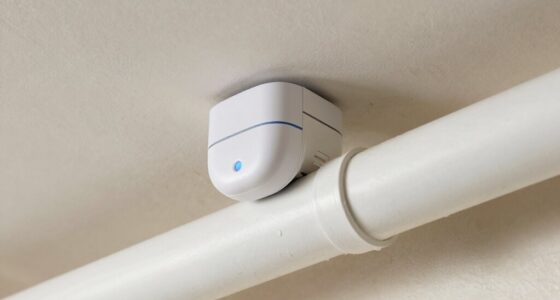
Reducing the wastewater ratio involves addressing these core issues. Regular maintenance is key—cleaning or replacing membranes before fouling becomes severe helps keep the system running smoothly. Implementing pre-treatment steps, such as filtering feed water or adding anti-scalants, can markedly cut down on fouling agents that clog the membrane. When fouling is minimized, the membrane remains efficient, and less water is rejected as waste. Additionally, optimizing system parameters like pressure and flow rates can help achieve a better balance, reducing unnecessary water loss. For example, operating at the lowest effective pressure decreases membrane stress and fouling potential, which in turn lowers wastewater output. Advanced monitoring systems can alert you to early signs of fouling, enabling prompt intervention and preventing the problem from escalating. Incorporating smart system monitoring can further enhance maintenance practices and system longevity.
Beyond maintenance and operational adjustments, employing recovery devices or energy-efficient pumps can further diminish wastewater ratios. These technologies enhance system performance, reducing both water waste and energy consumption simultaneously. Remember, a higher wastewater ratio isn’t just an environmental concern—it also impacts your costs and system longevity. By understanding the relationship between membrane fouling, energy consumption, and wastewater production, you can take proactive steps to improve efficiency. Ultimately, reducing wastewater not only conserves valuable water resources but also helps you operate your RO system more sustainably and cost-effectively.
reverse osmosis membrane cleaning kit
As an affiliate, we earn on qualifying purchases.
As an affiliate, we earn on qualifying purchases.
Frequently Asked Questions
Can Changing Filters Improve the Wastewater Ratio?
Yes, changing filters can improve your wastewater ratio. Regular filter maintenance guarantees your system runs efficiently, reducing wastewater output. Additionally, selecting the right membranes tailored to your water quality helps optimize permeate flow and minimizes reject water. By staying on top of filter replacements and choosing appropriate membrane types, you can considerably lower wastewater ratios, saving water and increasing system efficiency.
Does Temperature Affect RO Wastewater Production?
You might think temperature doesn’t matter, but it actually impacts your RO wastewater production importantly. Higher temperatures lower the feed water’s viscosity, increasing permeate flow and reducing wastewater fluctuations. Conversely, cooler water can cause more wastewater due to higher viscosity. So, maintaining ideal temperature levels is essential for consistent performance and minimizing wastewater. Adjusting temperature settings or insulating your system can help you better control wastewater ratios effectively.
Are There Alternative Methods to Reduce Wastewater?
You can reduce wastewater by exploring alternative filtration techniques like permeate recovery or using advanced membrane designs that improve efficiency. Additionally, applying chemical treatments can help prevent membrane fouling, allowing for longer operation cycles and less waste. Regular maintenance and optimizing system parameters also contribute to lower wastewater output. By combining these methods, you enhance your RO system’s performance while minimizing environmental impact.
How Does Feed Water Quality Influence the Ratio?
Feed water quality directly impacts the RO wastewater ratio because poor-quality feed water contains more impurities and contaminants. These substances cause the membrane to work harder, increasing the amount of wastewater produced to maintain efficiency. By improving feed water quality—such as filtering out sediments and reducing organic matter—you can lower the wastewater ratio. Cleaner feed water reduces strain on the system, making your RO process more efficient and sustainable.
Is a Higher Recovery Rate Always Better?
A higher recovery rate isn’t always better; it can lead to increased membrane fouling and reduced system lifespan. Studies show that pushing recovery beyond 85% considerably raises fouling risks. To maintain efficiency, you should balance recovery with proper chemical pretreatment and regular cleaning. This approach helps prevent membrane damage, ensures consistent permeate quality, and extends your system’s operational life without sacrificing performance.
As an affiliate, we earn on qualifying purchases.
Conclusion
Understanding why your RO system produces high wastewater ratios is key to fixing it. By adjusting your filters, maintaining proper pressure, and choosing the right system, you can drastically reduce waste—saving water and money. Remember, a poorly functioning RO unit can waste more water than a small river, so don’t wait! Take action now, and turn your wastewater nightmare into a thing of the past. Your water-saving hero moment is just a fix away!
energy-efficient water pump for RO system
As an affiliate, we earn on qualifying purchases.
As an affiliate, we earn on qualifying purchases.
RO membrane fouling monitoring system
As an affiliate, we earn on qualifying purchases.
As an affiliate, we earn on qualifying purchases.
Halloween Picks
halloween
As an affiliate, we earn on qualifying purchases.