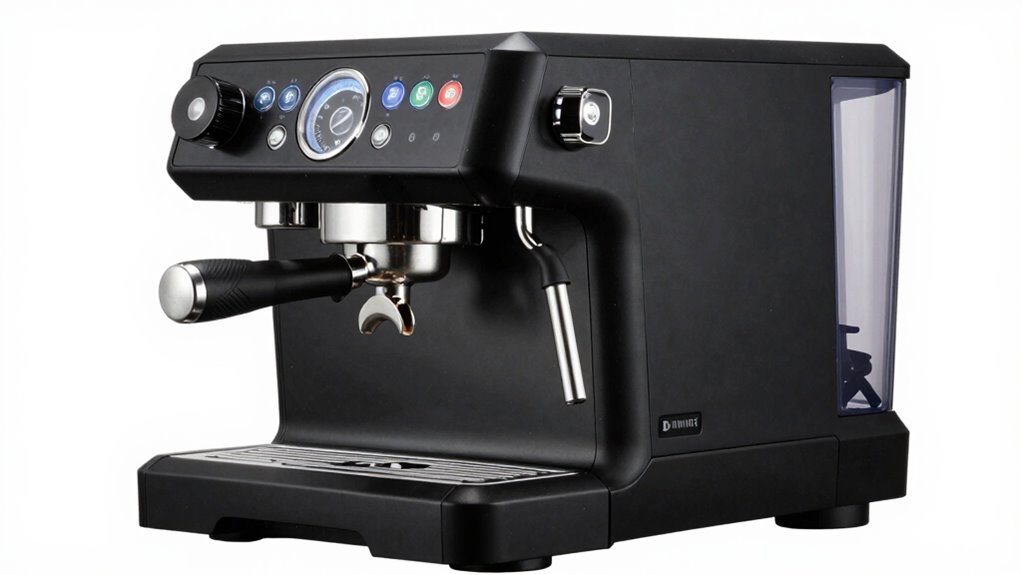

To master your espresso machine, focus on five key parts: grind size, water flow, tamp pressure, extraction time, and temperature. Adjusting each impacts flavor, strength, and consistency. For example, choosing the right grind size controls how water passes through the grounds, while tamp pressure ensures even extraction. Fine-tune these elements along with timing and temperature, and you’ll craft exceptional shots. Want to open more tips? Keep exploring how these parts work together seamlessly.
Key Takeaways
- Grind Size Adjustment: Changes water flow and extraction, directly affecting flavor, strength, and balance of espresso shots.
- Water Flow Rate Control: Regulates how quickly water passes through grounds, impacting extraction quality and taste.
- Tamp Pressure and Technique: Ensures even compression of grounds for uniform extraction, influencing flavor and shot consistency.
- Portafilter Design and Fit: Affects water seal and flow, crucial for proper pressure buildup and extraction efficiency.
- Boiler and Heating System: Maintains optimal water temperature for extraction, vital for espresso flavor and crema quality.
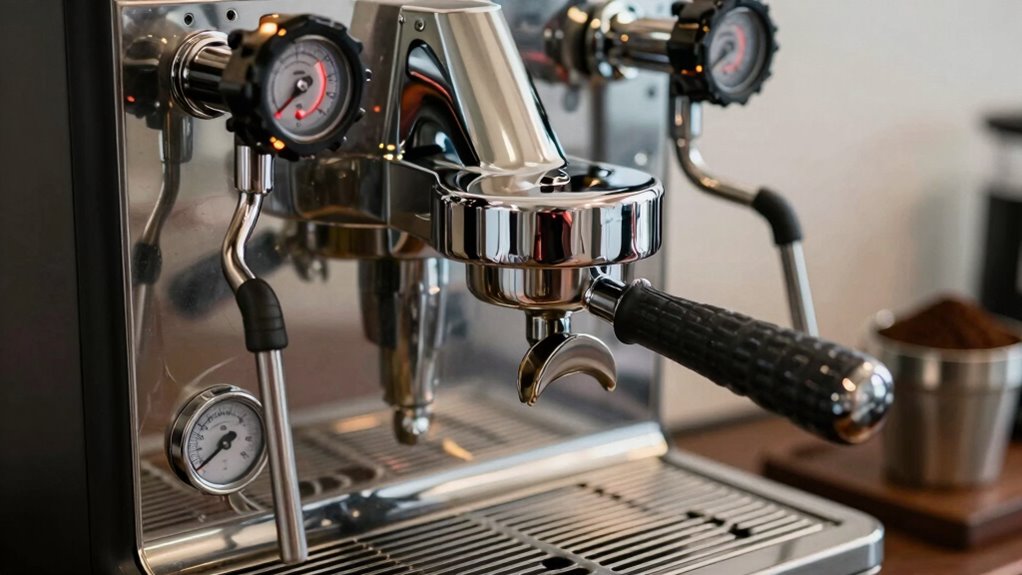
Have you ever wondered what makes a perfect shot of espresso? The secret lies not just in the beans but in the way you prepare them. Two critical factors that influence the quality of your espresso are grind size and tamp pressure. When you’re ready to pull that shot, start with the grind. If it’s too coarse, water will flow through too quickly, leaving you with a weak, under-extracted brew. If it’s too fine, water struggles to pass through, resulting in over-extraction and a bitter taste. Striking the right balance in grind size is essential. You want a consistency that allows water to flow at a steady, controlled rate—roughly around the texture of fine sand. Adjusting your grinder helps you find that sweet spot, and it’s worth experimenting because different beans and machines may require slight tweaks. Water flow rate also plays a crucial role in achieving the perfect shot, so paying attention to how quickly or slowly water passes through your coffee can help you fine-tune your process.
Once you’ve set the grind, it’s time to focus on tamp pressure. Tamping is the process of pressing the coffee grounds evenly into the portafilter, creating a compact puck that resists water flow uniformly. Too little tamp pressure, and the water will find the path of least resistance, resulting in uneven extraction and a weak shot. Too much, and you risk over-compressing the grounds, which impedes water flow and causes over-extraction, leading to bitterness. The goal is to apply consistent, firm pressure—around 30 pounds—using a tamper. Keep your wrist steady and press down with controlled force. This ensures the coffee is evenly distributed and compacted, promoting uniform extraction. Proper tamping technique is vital for consistency and can greatly improve your espresso’s flavor profile.
Getting these two variables right takes practice but pays off in your espresso shot’s flavor. When your grind size is just right and your tamp pressure is firm but controlled, you create the ideal environment for extraction. This means the hot water will pass through the coffee evenly, extracting the rich oils, flavors, and aromas that define a quality espresso. Remember, small adjustments can make a big difference. If your shot tastes sour or weak, try a finer grind or increase tamp pressure slightly. If it’s bitter or over-extracted, go coarser or reduce tamp pressure. The key is to develop a feel for what your machine and beans need. Pay attention to these details, and you’ll consistently pull shots that are full-bodied, balanced, and satisfying.

Mooye Espresso Machine with Grinder,20Bar Compact Espresso Maker with Steam Milk Frother,Coffee Maker for Home – Cappuccino Latte & Cold Brew Iced Coffee Maker & Americano, Gift for Women or Men
【All-in-One Café Experience】 From classic espresso to creamy cappuccinos, velvety lattes, refreshing cold brew, and bold Americanos —…
As an affiliate, we earn on qualifying purchases.
As an affiliate, we earn on qualifying purchases.
Frequently Asked Questions
How Often Should I Descale My Espresso Machine?
You should descale your espresso machine every 1 to 3 months, depending on your water quality and how often you use it. If you have hard water, descaling more frequently helps prevent mineral buildup. Regular descaling guarantees your machine runs smoothly and produces great espresso. Pay attention to any signs like slower brewing or strange taste, and adjust your descaling frequency accordingly to keep your machine in top shape.
What’s the Ideal Water Temperature for Brewing Espresso?
Think of your espresso shot as a delicate dance, where water temperature sets the rhythm. Keep your water at around 195-205°F for ideal brewing extraction. This temperature range reveals the full potential of the coffee’s flavors, ensuring a rich, balanced shot. Too hot, and you risk burning the beans; too cold, and the extraction will be weak. Mastering this sweet spot makes every cup a harmonious symphony of taste.
How Do I Troubleshoot Common Pressure Issues?
To troubleshoot common pressure issues, first check your pressure gauge calibration to guarantee accurate readings. If the pressure is too high or low, adjust the brew pressure accordingly, often via the brew pressure adjustment knob or valve. Make sure your coffee grounds are tamped correctly and not too fine or coarse, as this can affect pressure. Regular maintenance and cleaning also help maintain consistent pressure during brewing.
Can I Use Pre-Ground Coffee Instead of Beans?
Using pre-ground coffee is like bringing a knight to a duel—you might get the job done, but it’s not perfect. You can, but make sure the grind size matches your espresso machine’s needs for ideal extraction. Freshness matters, so use freshly ground coffee when possible. Pre-ground coffee often loses flavor quickly, so for the best shot, grind your beans just before brewing.
What Maintenance Is Required to Prolong My Machine’s Lifespan?
To prolong your machine’s lifespan, follow regular cleaning routines like descaling and cleaning the brew group. You should also check and replace worn parts, such as seals and filters, when needed. Keep your machine dry and free of coffee residue, and avoid overuse. Proper maintenance ensures peak performance, prevents breakdowns, and extends your espresso machine’s longevity, making every cup as good as the first.

51mm Espresso Tamper-Premium Barista Coffee Tamper Coffee Tamper Classic Series Stainless Steel Espresso Tamper Coffee Press Tool Tamper Espresso Handle, 90x51mm, Solid wood, Stainless steel
THE DIAMETER OF THIS TAMPER IS 51MM – please check that this will fit your filter basket before…
As an affiliate, we earn on qualifying purchases.
As an affiliate, we earn on qualifying purchases.
Conclusion
Understanding the five key parts of an espresso machine can truly transform your coffee experience. Did you know that approximately 60% of home baristas believe that upgrading just one component improves their espresso markedly? By mastering these basics, you’ll brew richer, more consistent shots every time. So, take the time to learn how each part works—your perfect cup is just a few adjustments away. Cheers to elevating your espresso game!
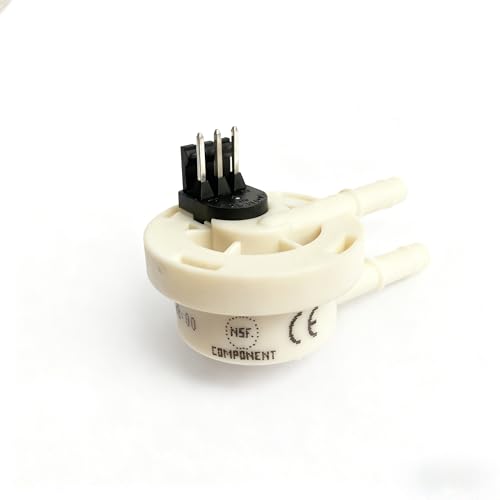
Flowmeter for Coffee Machine, Water Flow Parts for Espresso Maker Compatible With Breville Sage barista express Impress 875/870/878/876/880
Precise Flow Monitoring: This flowmeter accurately detects water flow for your coffee machine or espresso maker.
As an affiliate, we earn on qualifying purchases.
As an affiliate, we earn on qualifying purchases.
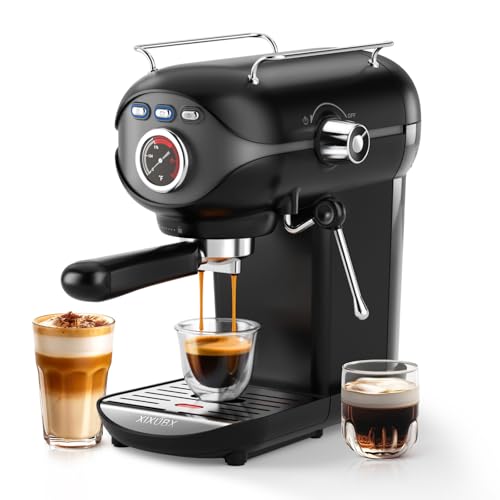
XIXUBX Espresso Machine, 20 Bar Pump Temperature Control, Compact Espresso Maker with Steam Milk Frother, Professional Coffee Makers for Home, Cappuccino Latte Machine, Gifts for Coffee Lover
20-Bar Professional Pressure System: Experience café-quality drinks with this espresso machine for home, the 20-bar pressure system extracts…
As an affiliate, we earn on qualifying purchases.
As an affiliate, we earn on qualifying purchases.