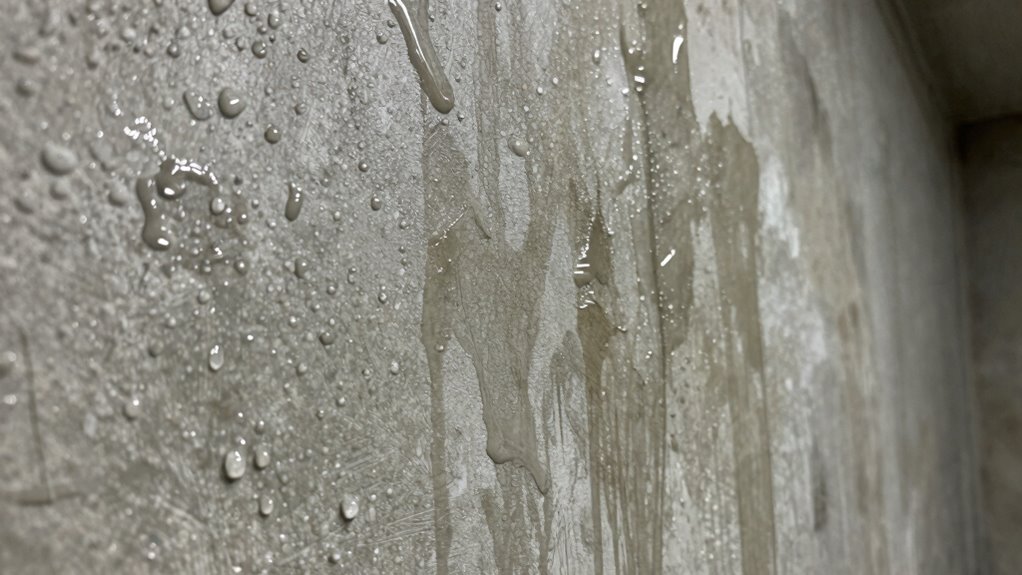

To tell if basement moisture is from condensation or a leak, look for signs like fluctuating dampness, water stains, or musty odors, which often happen with condensation, especially on cold surfaces. Steady, persistent water flow or peeling paint suggests a leak. Condensation usually occurs during humid or chilly weather and wipes away easily, while leaks stay steady regardless of weather. Continue exploring to learn more about pinpointing the real culprit.
Key Takeaways
- Condensation appears as localized, wipeable moisture on cold surfaces, fluctuating with weather changes, unlike steady leaks.
- Leaks cause persistent water flow with staining or peeling paint, remaining steady regardless of weather conditions.
- Conduct simple tests, like applying water to suspect areas, to observe rapid evaporation indicating condensation.
- Persistent moisture despite ventilation efforts suggests a leak requiring further investigation.
- Improving ventilation and reducing humidity helps prevent condensation, while leaks often need professional repair.
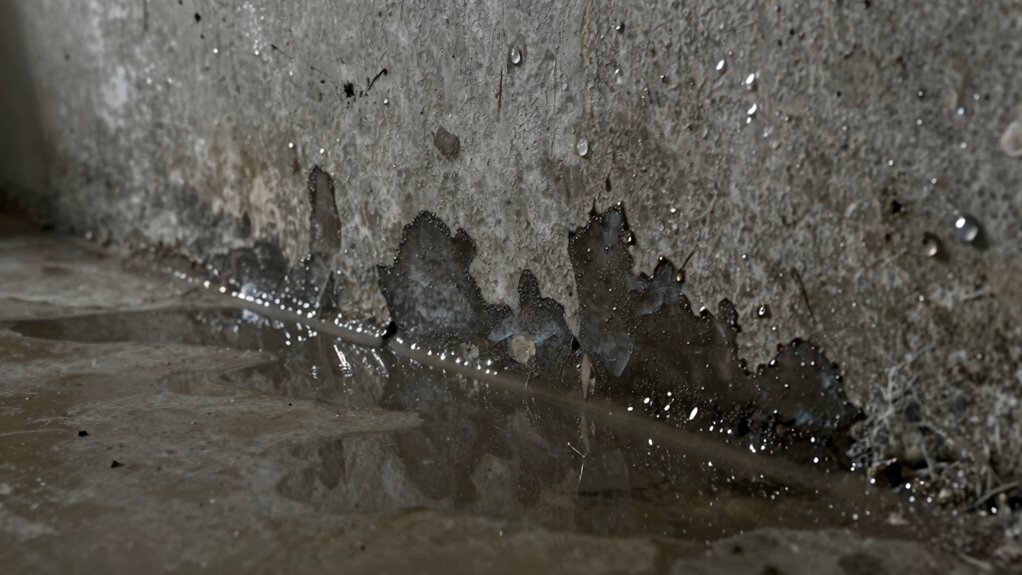
Basement moisture is a common problem that can lead to serious issues if left unchecked. One of the first steps in addressing this problem is understanding whether the moisture is due to condensation or a genuine leak. This distinction is vital because it determines the appropriate solution and helps prevent long-term damage. When you notice damp patches, water stains, or a musty smell, it’s tempting to assume a leak, but sometimes, what appears to be a leak may actually be condensation caused by poor ventilation.
To tell if it’s condensation, look for signs that are localized and change with the weather or temperature. Condensation typically forms on cold surfaces, like basement walls or pipes, especially during humid or chilly conditions. You might see water droplets gathering on windows or along the interior surface of walls. These droplets often appear suddenly and can be wiped away easily. If the moisture disappears after warming or ventilation, it’s probably condensation. Conversely, a leak usually presents as a persistent, steady flow of water that doesn’t fluctuate with weather or temperature. It often originates from a specific point, such as around a pipe or a crack in the wall, and may cause staining, peeling paint, or structural damage over time.
Condensation appears as localized moisture on cold surfaces, changing with weather; leaks are steady and originate from specific points.
Addressing condensation starts with improving your ventilation strategies. Installing exhaust fans, opening windows when weather permits, and using dehumidifiers help reduce humidity levels, making it harder for moisture to accumulate on surfaces. Proper airflow prevents the buildup of humid air that condenses on cooler surfaces, substantially reducing the risk of mold growth. Mold prevention is essential because mold thrives in damp, poorly ventilated environments. Keeping your basement dry and well-ventilated discourages mold spores from settling and multiplying, which can cause health problems and further degrade your space.
If you find that moisture persists despite these measures, it’s wise to investigate further. Sometimes, hidden leaks can mimic condensation, especially around plumbing or foundation cracks. Conducting a simple test, like applying a thin film of water to suspect areas and observing if it evaporates or remains, can provide clues. Regular inspection and maintenance are key to preventing moisture problems from escalating. Additionally, understanding the importance of indoor air quality and how humidity impacts it can guide better moisture management. By understanding the difference between condensation and leaks, and implementing effective ventilation strategies, you can protect your basement from moisture damage, mold, and costly repairs. Taking proactive steps now ensures your basement stays dry, healthy, and functional for years to come.

2500 Sq.Ft Dehumidifier for Basement with Drain Hose Max 34 Pints, VEAGASO Dehumidifiers for Home, Large Room, Bathroom, Bedroom, Three Modes, Intelligent Humidity Control, Dry Clothes, 24HR Timer
Three Smart Modes Dehumidifiers – Our dehumidifier for basements come with 3 smart modes that make choosing between…
As an affiliate, we earn on qualifying purchases.
As an affiliate, we earn on qualifying purchases.
Frequently Asked Questions
Can Condensation Occur in Summer Months?
Yes, condensation can occur in summer months. High summer humidity combined with cooling effects in your basement causes moisture to form on cooler surfaces. When warm, moist air comes into contact with cooler walls or floors, it releases moisture, creating condensation. This is common during hot, humid days, so you should monitor for signs of excess moisture and improve ventilation to prevent mold and damage.
How Long Does It Take to See Mold After a Leak?
You’ll see mold growth within 24 to 48 hours after a leak if conditions are right. It’s vital to act quickly for leak detection and drying out the area before mold takes hold. Keep an eye on damp spots, and don’t wait too long—mold can spread like wildfire. Address leaks promptly, and make certain proper ventilation to prevent mold from becoming a bigger problem.
Are There Specific Signs to Differentiate Leaks From Condensation?
You can differentiate leaks from condensation by checking for signs like persistent dampness, mold growth, or water stains, which often indicate a leak. Perform a humidity inspection to see if moisture levels are unusually high, and an insulation assessment can reveal if insulation is wet or moldy, suggesting a leak. Condensation typically occurs with high humidity and temperature differences, so monitoring these factors helps you identify the cause.
Can Basement Moisture Cause Health Problems?
Basement moisture is like an uninvited guest that can sneak in and cause health issues. It can lead to mold growth, which worsens allergies and respiratory problems. To prevent this, focus on mold prevention by improving ventilation solutions, such as installing vents or dehumidifiers. Keeping your basement dry and well-ventilated reduces humidity, making it less hospitable for mold and safeguarding your health from potential hazards.
What Tools Are Best for Detecting Leaks Versus Condensation?
You should use moisture sensors to detect persistent dampness that indicates leaks, as they provide accurate readings of moisture levels. Infrared cameras are excellent for spotting temperature differences around walls and floors, helping you distinguish between condensation and leaks. By combining these tools, you can effectively identify whether moisture is caused by condensation or a real leak, ensuring you take the right steps to address the issue promptly.
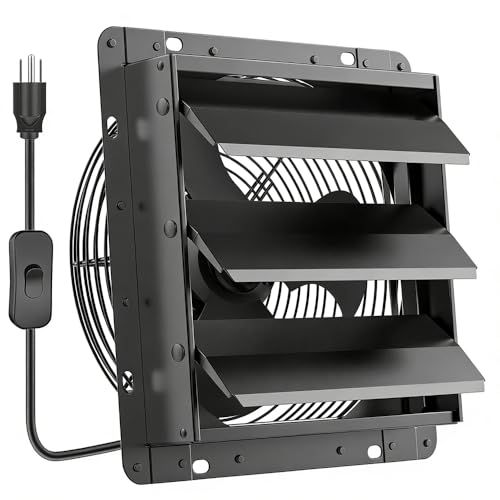
HG Power 10 Inch Shutter Exhaust Fan, 647CFM Quiet Garage Exhaust Fan with 8 Foot Long ON/OFF Switch Cable for Chicken Coop, Shed, Basement, Gable, Kitchen, Attic Ventilation Use, Black
High-Performance & Multi-Use: This 647CFM exhaust fan works effectively as a wall exhaust fan, garage exhaust fan, attic…
As an affiliate, we earn on qualifying purchases.
As an affiliate, we earn on qualifying purchases.
Conclusion
Think of your basement like a mirror—you want it to reflect a clear picture, not foggy or stained. I once ignored a small damp spot, thinking it was just condensation, only to find a hidden leak had been quietly seeping behind the wall. Catching moisture early can save you from costly repairs later. Remember, understanding the difference between condensation and leaks helps keep your basement dry and your home safe—stay vigilant, and don’t ignore the signs.
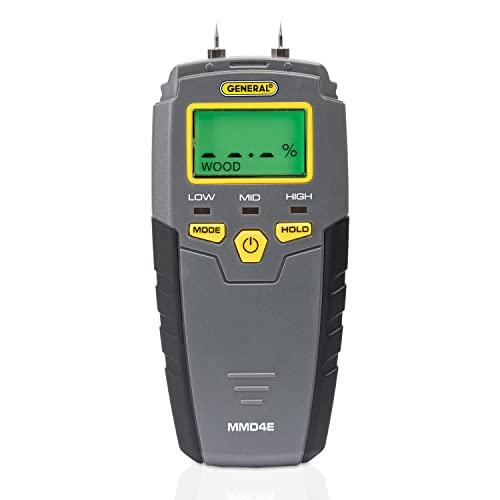
General Tools MMD4E Digital Moisture Meter, Water Leak Detector, Moisture Tester, Pin Type, Backlit LCD Display With Audible and Visual High-Medium-Low Moisture Content Alerts, Grays
HUMIDITY SENSOR: Our handy meter tool can quickly determine what level of remediation is needed to keep your…
As an affiliate, we earn on qualifying purchases.
As an affiliate, we earn on qualifying purchases.
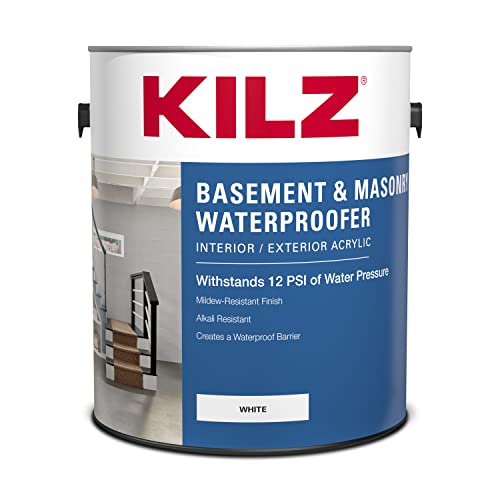
KILZ Basement and Masonry Waterproofing Paint, Interior/Exterior, White, 1 Gallon
This premium, interior/exterior paint is formulated to waterproof and seal porous concrete and masonry surfaces both inside and…
As an affiliate, we earn on qualifying purchases.
As an affiliate, we earn on qualifying purchases.