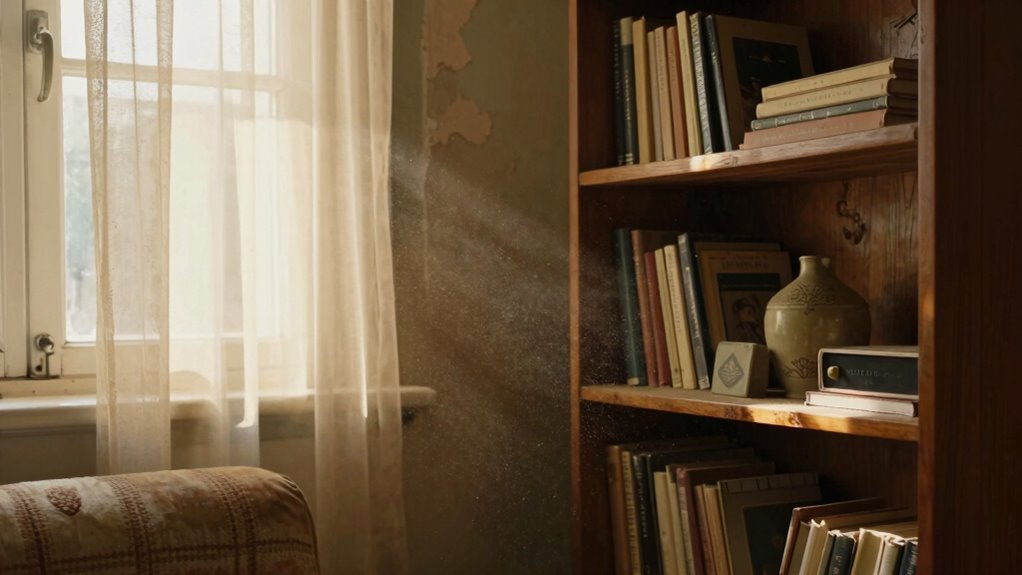
If your home always feels dusty, it’s likely due to poor air filtration, improper humidity levels, or external factors like pets or nearby construction. Without effective filters and balanced moisture, dust particles stay suspended or cling stubbornly to surfaces. Ventilation systems can also recirculate dust if not maintained. External sources continuously add dust, making it harder to stay clean. Keep exploring to find out how combining these measures can create a noticeably cleaner, dust-free environment.

Get school and study supplies delivered free — and shop member deals
- Fast, free delivery on millions of items
- Access to Prime Big Deal Days deals on October 6–7
- Prime Video, Amazon Music and more included
Key Takeaways
- Inadequate air filtration allows tiny dust particles to remain airborne and settle on surfaces.
- Poor humidity control causes dust to become more airborne or cling stubbornly to surfaces.
- External sources like dust storms, construction, or pets continuously introduce new dust.
- Insufficient ventilation or recirculating HVAC systems spread dust without proper filtration.
- Gaps and leaks in sealing doors and windows let external dust infiltrate indoors.
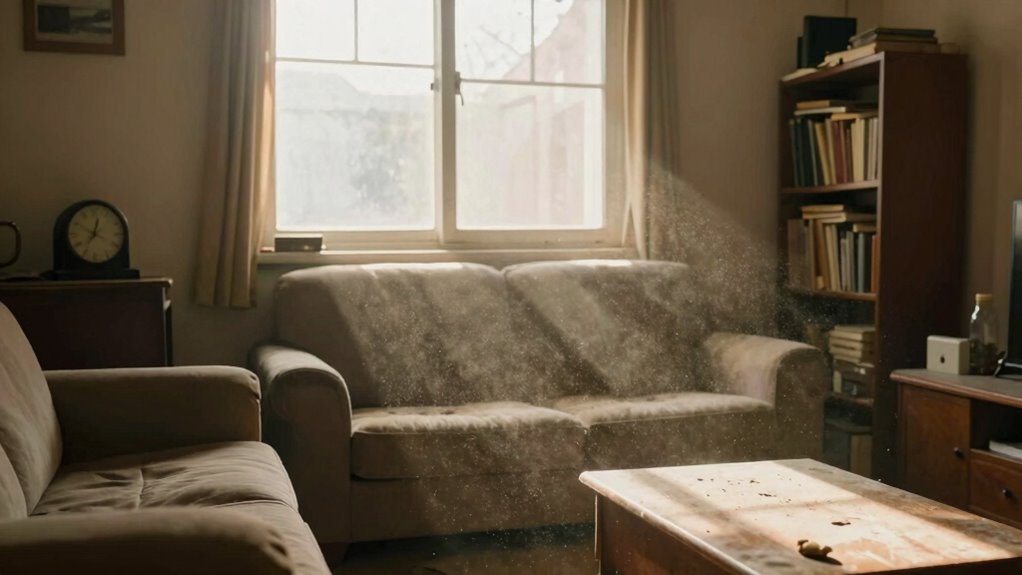
If your home constantly feels dusty despite regular cleaning, you’re not alone. Dust can be persistent, and sometimes no matter how often you sweep, vacuum, or dust surfaces, it seems to return quickly. One common reason for this is that your home’s air quality might not be enhanced. Proper air filtration plays a vital role in reducing airborne dust particles that settle on surfaces. Investing in a good air purifier with HEPA filters can considerably cut down on dust circulating in your space. These filters trap tiny particles that traditional vacuum cleaners and dusting might miss, preventing them from settling on furniture and floors again.
Another factor that contributes to a perpetually dusty home is humidity level. When the air is too dry, dust particles tend to become lighter and more easily airborne, which means they settle more quickly on surfaces but also circulate more freely. Conversely, if the air is overly humid, it can cause dust and other airborne particles to cling to surfaces more stubbornly. Striking a balance with humidity control can make a big difference. Using a humidifier or dehumidifier helps maintain ideal moisture levels, usually around 40-50%. This not only reduces the amount of dust in the air but also minimizes static electricity, which can attract dust to your furniture and electronics. Maintaining proper air quality through these methods can significantly influence how dusty your home feels.
Beyond air filtration and humidity, other factors could be at play. For example, your home’s ventilation system may be pulling in dust from outside or recirculating polluted air without proper filtration. Regularly replacing filters in your HVAC system and ensuring proper ventilation can help improve air quality. Additionally, if you have pets or live in an area prone to dust storms or construction, external factors can constantly introduce new dust into your home. In such cases, sealing gaps and ensuring windows and doors are properly sealed can help minimize dust infiltration. Proper ventilation techniques can also assist in controlling dust levels by exchanging indoor air with filtered outdoor air. Improving your home’s air exchange system can further reduce dust buildup over time.
Ultimately, controlling airborne dust through effective air filtration and maintaining appropriate humidity levels can drastically reduce the dust that accumulates in your home. Implementing proper ventilation, which involves ensuring fresh air exchange while filtering out pollutants, can significantly improve indoor air quality. These measures work together to create an environment where dust particles are less likely to stay suspended or settle quickly, helping your home stay cleaner for longer. Remember, consistent maintenance of these systems and awareness of external influences can make a real difference in how dusty your home feels day to day.
HEPA air purifier for dust removal
As an affiliate, we earn on qualifying purchases.
As an affiliate, we earn on qualifying purchases.
Frequently Asked Questions
Can Indoor Plants Help Reduce Indoor Dust Levels?
Indoor plants can help reduce dust levels, thanks to their plant efficacy in trapping airborne particles. When you introduce plants like pothos or peace lilies, they absorb dust through their leaves and roots, improving air quality. While they don’t eliminate all dust, these plants contribute to dust reduction and create a fresher environment. So, adding greenery not only beautifies your home but also helps control indoor dust.
How Does Ventilation Affect Indoor Dust Accumulation?
Think of your home as a ship sailing through a foggy sea. Ventilation is your ship’s engine, driving out stale air and bringing in invigorating breezes. Good air exchange and high ventilation efficiency clear away dust particles, preventing buildup. When you improve ventilation, dust doesn’t settle around corners, making your home feel cleaner. Regularly revitalizing the air keeps your space bright and reduces dust accumulation, helping your home stay crisp longer.
Are Certain Types of Flooring More Prone to Dust Buildup?
Certain flooring types, like carpets, are more prone to dust buildup because of their dust retention qualities. Carpets trap dust, pet hair, and allergens easily, making cleaning more challenging. Hard surfaces such as hardwood, tile, or laminate tend to accumulate less dust since they don’t retain particles as much. Regular sweeping and cleaning can help manage dust retention on all flooring types, but choosing the right flooring can substantially reduce dust buildup.
Does Pet Dander Contribute to Persistent Dustiness?
Yes, pet dander considerably contributes to persistent dustiness in your home. If you have a pet allergy, you might notice more dust and allergens accumulating, especially from dander buildup. Pets shed skin and hair, which trap dust particles, making the air feel dusty even after cleaning. Regular grooming, vacuuming with a HEPA filter, and air purifiers can help reduce pet dander and improve indoor air quality, combating that ever-present dustiness.
How Often Should Air Filters Be Replaced to Reduce Dust?
Don’t let dust settle on your nerves—change your air filters regularly to keep your home dust-free. You should replace your air filter every 1 to 3 months, depending on usage and filter type. Proper air filter maintenance is key, and combining it with dust trapping techniques like vacuuming with a HEPA filter and frequent dusting will make a noticeable difference. Stay proactive to breathe easier and maintain a cleaner home environment.
As an affiliate, we earn on qualifying purchases.
Conclusion
In the end, consistently dusty homes often result from hidden sources like poor ventilation or unclean air filters. For example, imagine a family whose living room always feels dusty despite frequent cleaning. After inspecting their HVAC system and upgrading the air filters, the dust issue markedly improved. So, if your home feels perpetually dusty, consider checking your ventilation and air filtration systems—small changes can make a big difference in creating a cleaner, fresher space.
As an affiliate, we earn on qualifying purchases.
sealing gaps and leaks in doors and windows
As an affiliate, we earn on qualifying purchases.
As an affiliate, we earn on qualifying purchases.
Halloween Picks
halloween
As an affiliate, we earn on qualifying purchases.