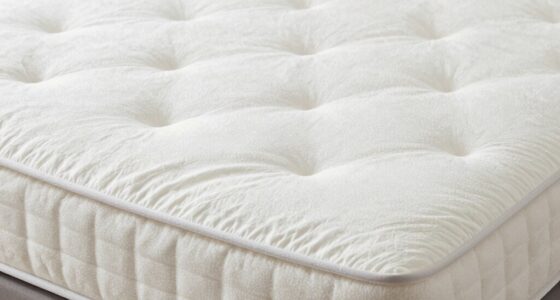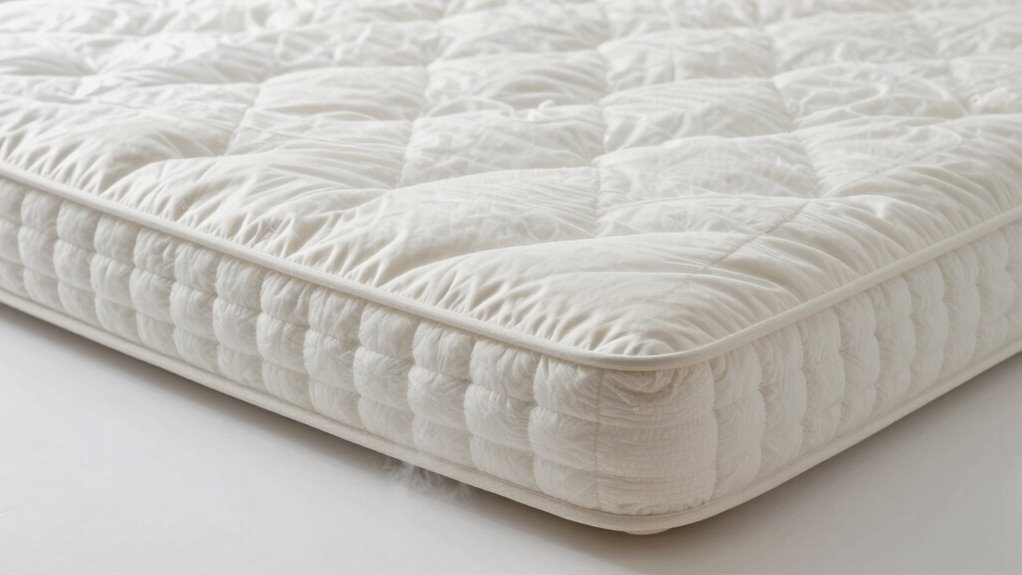

When your mattress expands, off-gassing is the release of chemical odors from manufacturing materials like adhesives and foams. This usually causes a mild smell that lasts a few days to a week, especially in well-ventilated rooms. It’s normal for the mattress to have some shape adjustments and surface irregularities during this time. If you’d like to learn how to mitigate these effects and ensure safety, keep exploring for helpful tips.

Prime made for students and young adults
- Fast, free delivery for dorm and study essentials
- Prime Video and Amazon Music included
- Member-only deals
Key Takeaways
- Off-gassing is the release of VOCs from mattress materials like foams and adhesives during initial use.
- Normal off-gassing lasts a few days to a week, characterized by a mild odor and slight mattress expansion.
- Proper ventilation accelerates odor dissipation and reduces chemical emissions during mattress break-in.
- Signs of normal off-gassing include temporary odors, shape settling, surface wrinkles, and gradual odor fading.
- Using low-VOC materials and airing out the mattress beforehand can minimize and manage off-gassing effectively.
As an affiliate, we earn on qualifying purchases.
What Is Mattress Off-Gassing and Why Does It Happen?
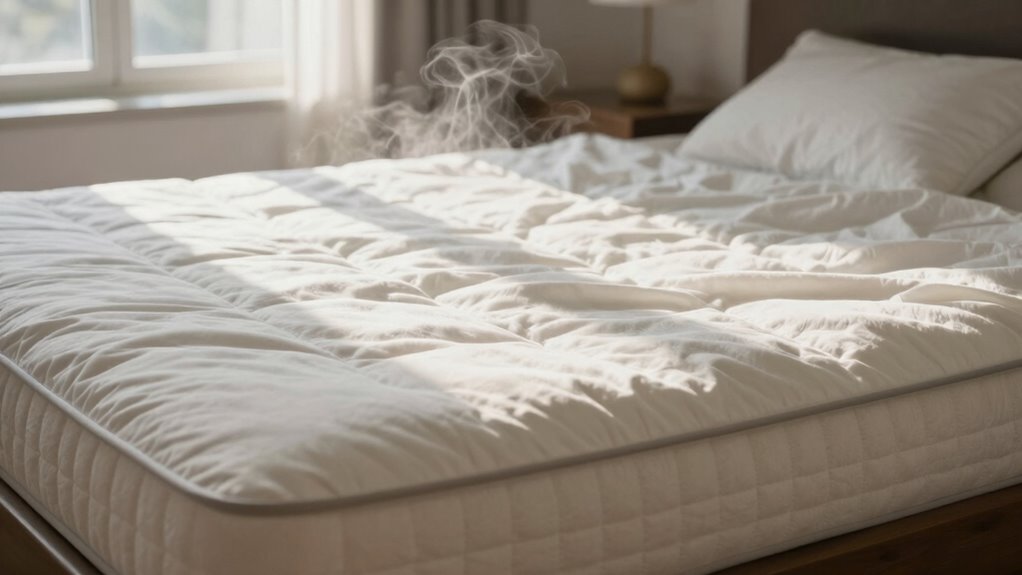
Have you ever noticed a strange chemical smell after unpacking a new mattress? That’s caused by chemical emissions, specifically VOCs release, which occurs during off-gassing.
Unpack a new mattress and notice the chemical smell? That’s off-gassing from VOCs released during manufacturing.
When manufacturers produce mattresses, they use adhesives, foams, and other materials that emit volatile organic compounds (VOCs). These compounds slowly off-gas over time, creating the distinctive odor. The process is influenced by factors such as temperature and airflow, which can accelerate or slow down VOC release. Material composition plays a crucial role in the amount and duration of off-gassing.
Off-gassing happens because these chemicals are trapped inside the mattress during manufacturing and are gradually released into the air once the mattress is opened. The smell is often stronger in new mattresses and tends to diminish as the VOCs evaporate. Using proper ventilation can significantly reduce the intensity of these emissions and improve indoor air quality. Additionally, some air purification techniques can help mitigate lingering odors and chemical emissions.
Understanding the process can help you choose better materials and improve indoor air quality, especially with innovative European cloud servers promoting sustainable solutions.
While off-gassing is a normal part of the process, it can cause discomfort or irritation for sensitive individuals. Recognizing the chemical emissions involved allows consumers to take steps to ventilate and reduce exposure, ensuring a healthier sleeping environment.
As an affiliate, we earn on qualifying purchases.
How Long Does Mattress Off-Gassing Usually Last?
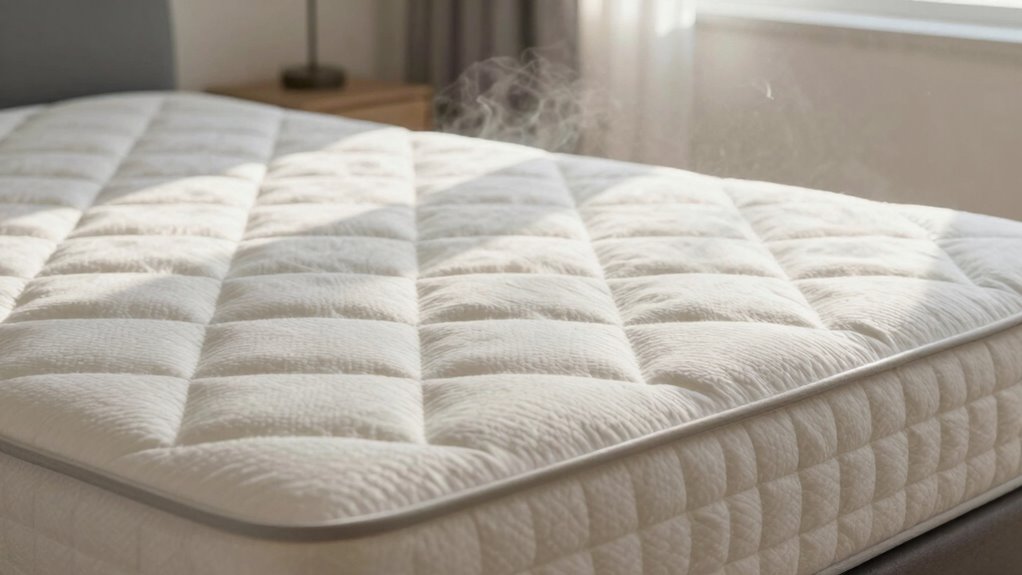
Typically, mattress off-gassing lasts from a few days up to a week, but it can vary. Factors like mattress materials, ventilation, and room temperature influence how long the smell persists. Knowing these points helps you better manage the off-gassing process and reduce discomfort. Proper ventilation techniques can significantly shorten the duration of off-gassing odors, especially when combined with air quality management practices. Additionally, understanding off-gassing substances can help you identify safe practices during this period. Being aware of air purifier maintenance dos and don’ts can also ensure your air quality remains optimal during this time. Furthermore, choosing natural or low-emission mattresses can reduce the intensity and duration of off-gassing odors.
Typical Off-Gassing Duration
Off-gassing from a mattress usually lasts anywhere from a few days to several weeks, depending on the materials used and ventilation. During this time, chemical emissions can impact your air quality, especially in enclosed spaces. Typically, newer foam and memory foam mattresses emit more gases initially, with the intensity decreasing over time. To better understand the process, consider this overview:
| Duration | Common Materials | Effect on Air Quality |
|---|---|---|
| A few days | Memory foam, polyfoam | Higher chemical emissions initially |
| 1-2 weeks | Hybrid, latex | Reduced off-gassing |
| Several weeks | Natural latex, organic | Minimal impact on air quality |
While most off-gassing decreases within weeks, proper ventilation helps speed up the process and improves air quality. Ventilation techniques can significantly reduce the duration and impact of off-gassing in your home. Additionally, choosing natural mattress materials can help minimize emissions from the start.
Factors Influencing Timing
Several factors can influence how long your mattress off-gasses, affecting how quickly chemical emissions subside. Your sleep environment plays a vital role in odor management, which can either accelerate or slow down the process. Good ventilation and airflow help dissipate chemical smells faster, while a sealed or poorly ventilated room can trap odors longer. The type of mattress also matters; foam and synthetic materials tend to off-gas longer than natural fibers. Temperature and humidity levels can impact how quickly emissions fade, with warmer, drier conditions usually speeding things up. Additionally, the initial VOC levels and your sensitivity to odors influence your perception of when the off-gassing ends. Creating a well-ventilated space with proper airflow can significantly reduce the duration of off-gassing and improve indoor air quality. Ensuring proper air exchange can further help reduce chemical concentrations more rapidly. Implementing air filtration methods, such as HEPA purifiers, can also be beneficial in capturing airborne VOCs and accelerating the process. Using indoor air quality monitors can help you better assess when VOC levels have decreased to safe levels. Being mindful of these factors and understanding the off-gassing process helps you create a healthier, more comfortable sleep environment.
As an affiliate, we earn on qualifying purchases.
Is the Mattress Off-Gassing Smell Harmful to Your Health?
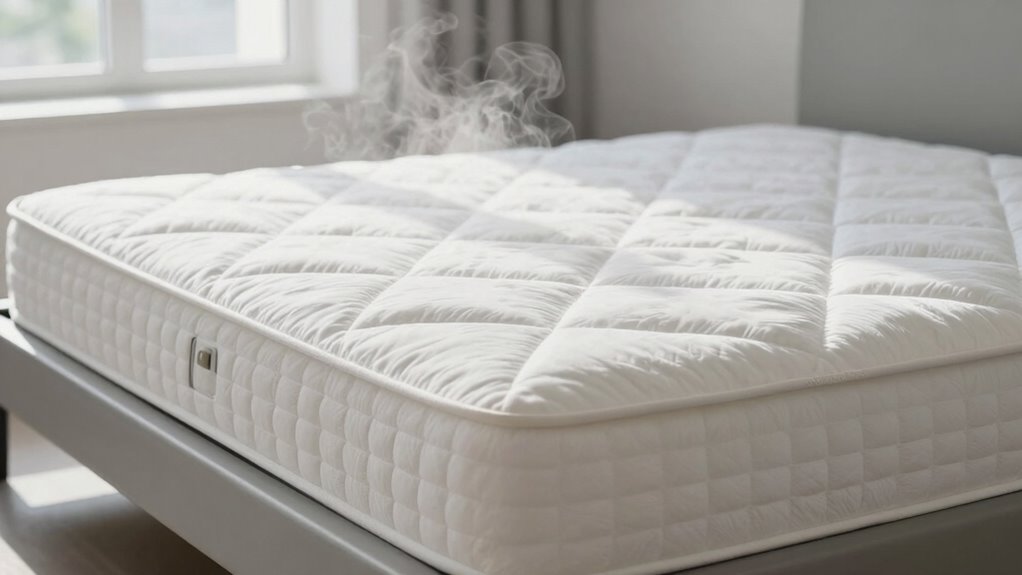
Many people wonder whether the strong smell from a new mattress is actually harmful to their health. Generally, the off-gassing smell comes from chemical emissions that can temporarily affect indoor air quality. Proper ventilation during this initial period can significantly reduce exposure to these emissions and improve air quality. While these odors might be unpleasant, most experts agree that short-term exposure isn’t likely to cause serious health problems for healthy individuals. However, if you’re sensitive to chemicals or have respiratory issues, prolonged exposure could cause irritation or discomfort. It’s wise to guarantee Proper ventilation in your room, especially during the first few days. The smell typically diminishes as your mattress off-gasses, and the chemicals dissipate. Additionally, understanding indoor air quality can help you better manage and mitigate potential health risks associated with new mattresses. Being aware of chemical emissions and their effects can empower you to take appropriate precautions. Air exchange can also accelerate the dissipation of odors and improve overall room air health. Maintaining ventilation strategies can further support a healthier indoor environment. If you notice persistent irritation or allergic reactions, consult a healthcare professional. Overall, the initial off-gassing is usually a temporary, manageable process.
As an affiliate, we earn on qualifying purchases.
How Can You Reduce Mattress Off-Gassing at Home?

To minimize the impact of mattress off-gassing at home, step one is to improve ventilation. Increasing airflow helps disperse volatile organic compounds (VOCs) and promotes natural deodorization. Media literacy is essential to understand the information you encounter about product safety and health concerns related to VOCs. Recognizing how air quality affects overall health can guide better decisions for your home environment.
Here are some practical tips:
Try these simple tips to improve ventilation and reduce off-gassing odors at home.
- Open windows daily to boost ventilation improvement.
- Use a ceiling fan or portable fan to circulate air.
- Place your mattress in a well-ventilated room during initial days.
- Avoid sealing the room with heavy curtains or furniture that blocks airflow.
- Consider air purifiers with activated charcoal to aid natural deodorization.
- Ensuring proper ventilation systems are in place can further enhance air exchange and reduce VOC accumulation.
- Regularly monitoring indoor air quality can help identify when additional ventilation is needed to keep VOC levels low.
Additionally, being aware of VOC emissions from new products can help you take proactive steps to limit exposure. These steps help reduce chemical buildup, making your sleeping environment safer. Proper ventilation not only dissipates smells but also lessens potential health effects associated with off-gassing.
Consistent airflow is your best friend in managing mattress VOCs naturally.
What Are Normal Signs of Mattress Expansion and Off-Gassing?
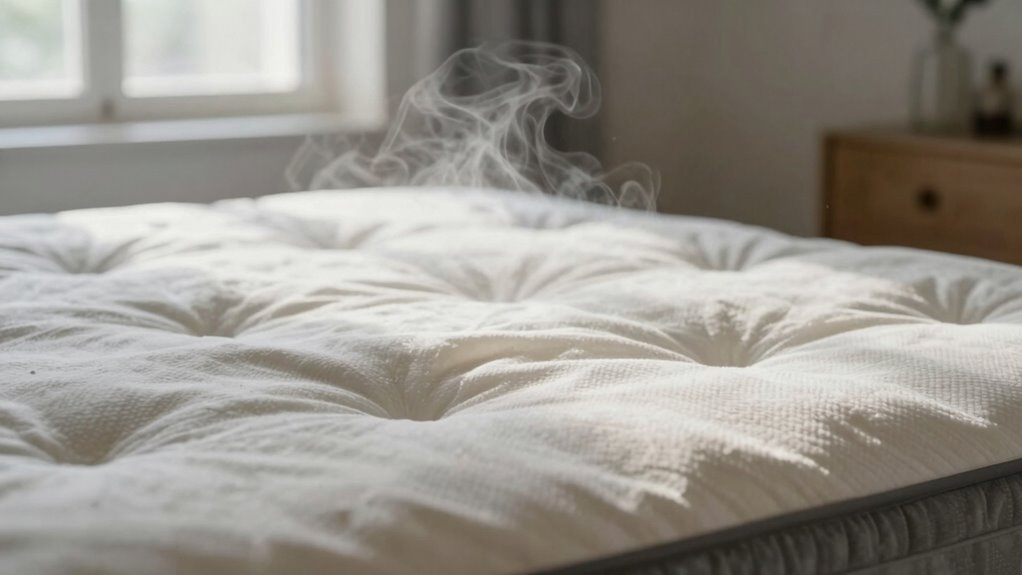
You might notice a mild odor that lasts a few days after unboxing your mattress, which is normal during off-gassing.
You could also see some slight expansion or changes in the mattress’s shape as it adjusts to your bed frame. These signs usually indicate your mattress is settling and should improve with time.
Additionally, some people report cryptid sightings or other unexplained phenomena in their homes, which can sometimes be linked to local folklore or urban legends.
Typical Odor Duration
Typically, the initial off-gassing odor from a new mattress lasts anywhere from a few days to a week. This odor results from chemical emissions as the mattress materials settle. During this time, you might notice a faint smell that gradually diminishes.
Keep in mind, the odor duration varies based on factors like ventilation and mattress type. To help speed up the process, you can air out your mattress regularly.
Here are some signs that the odor is normal:
- The smell lessens each day
- No persistent, harsh chemical scent
- Ventilation reduces odor faster
- The smell is mild and non-irritating
- Odor disappears within a week or so
This typical duration indicates your mattress is off-gassing safely without any cause for concern.
Visible Mattress Changes
As your new mattress begins to off-gas, you’ll notice several visible signs of expansion that are perfectly normal. You might see slight swelling or increased firmness, especially around the edges, which indicates the mattress is settling into its proper shape.
These changes can affect your sleep posture temporarily, but they don’t compromise mattress durability. As the foam or other materials expand, your mattress may also develop small wrinkles or surface irregularities, which should smooth out over time.
Keep in mind that these signs are part of the normal off-gassing process and won’t harm your mattress. Understanding these visible changes helps you monitor your mattress’s adjustment period and ensures you’re not concerned about its long-term performance.
When Should You Be Worried About Mattress Off-Gassing?

While off-gassing from a new mattress is common, it becomes a concern when the smell lingers for more than a few days or worsens over time. Persistent or intensifying odors may indicate ongoing chemical emissions or VOC concerns that could affect your health.
You should be worried if:
- The smell is strong and doesn’t dissipate after a week
- You experience headaches, dizziness, or respiratory issues
- The odor worsens with time
- You notice allergic reactions or skin irritations
- The smell is associated with other chemical-like tastes or sensations
These signs suggest the off-gassing isn’t just normal VOC release but could pose health risks. It’s essential to monitor your symptoms and consider ventilation, or consult a professional if symptoms persist or worsen.
How to Make the Mattress Break-In Safer and More Comfortable
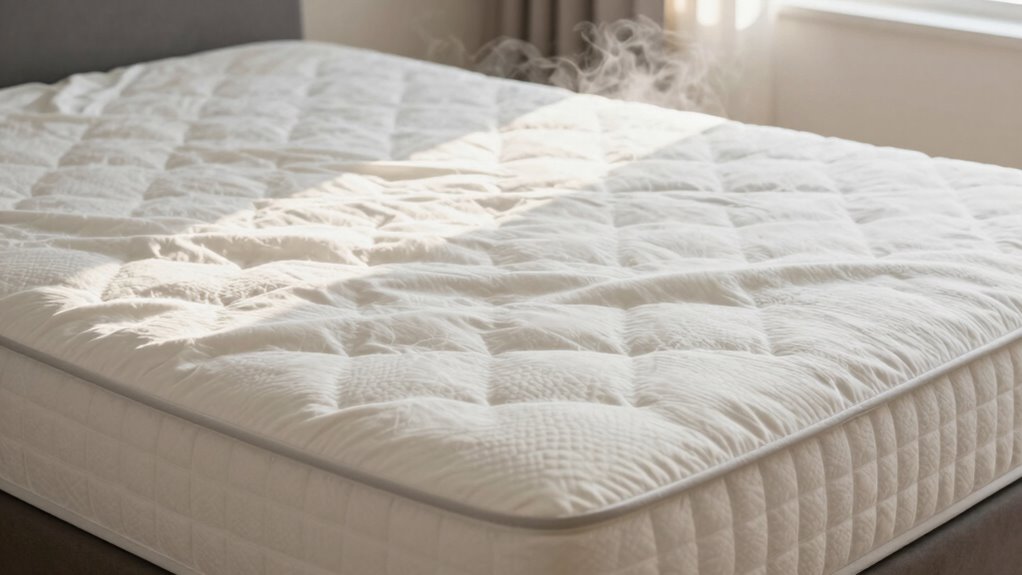
To make your mattress break-in safer and more comfortable, start by airing it out thoroughly before first use. This helps reduce initial odors and off-gassing, improving your mattress hygiene and creating a healthier sleep environment. Place the mattress in a well-ventilated room and leave it uncovered for at least 24 to 48 hours.
During this time, avoid sleeping on it to allow any volatile organic compounds (VOCs) to dissipate. Keep windows open or use a fan to enhance airflow.
Regularly rotating or flipping the mattress can also help it break in more evenly. Maintaining good mattress hygiene by keeping it clean and dry contributes to a safer, more comfortable sleep experience, especially during this initial period of off-gassing.
Which Mattress Materials Off-Gas Less?

Choosing mattress materials that off-gas less can considerably improve your sleep environment and reduce exposure to potentially harmful VOCs. Some materials emit fewer chemical emissions, leading to less odor and shorter odor duration. Natural and organic options tend to off-gas less, making them a safer choice.
You might consider:
- Organic latex, which is made from natural rubber and emits fewer chemicals
- Wool or cotton covers that are untreated and chemical-free
- Memory foam blended with natural ingredients instead of synthetic chemicals
- Natural wool or cotton fills in mattresses
- CertiPUR-US® certified foams, which meet strict standards for low chemical emissions
These options can help minimize off-gassing, making your sleep space healthier and more comfortable.
Frequently Asked Questions
Does Mattress Off-Gassing Affect Allergy Sufferers Differently?
Yes, mattress off-gassing can affect allergy sufferers differently. If you have a strong allergenic response or chemical sensitivity, you might notice more irritation, sneezing, or breathing issues after unboxing.
Off-gassing releases volatile organic compounds (VOCs), which can worsen symptoms for sensitive individuals. To minimize effects, air out your mattress in a well-ventilated space for a few days before sleeping on it.
Can Window Ventilation Completely Eliminate Mattress Off-Gassing?
Think of window ventilation as opening a door to fresh air in a stuffy room—it’s helpful but can’t fully clear the chemical dispersal from your mattress.
While it improves ventilation effectiveness and reduces lingering odors, it won’t completely eliminate off-gassing.
For better results, supplement with air purifiers and let your mattress air out in a well-ventilated space over several days.
Are Natural or Organic Mattresses Less Likely to Off-Gas?
Yes, natural or organic mattresses are less likely to off-gas because they use natural materials and organic certifications. These certifications ensure the materials are free from harmful chemicals, reducing the likelihood of strong odors or emissions.
When you choose a mattress with organic certifications and natural materials, you’re opting for a product that’s safer and more environmentally friendly. This makes your sleeping environment healthier and more comfortable.
How Does Mattress Age Influence Off-Gassing Intensity?
As your mattress ages, the off-gassing intensity typically decreases. When you first buy a new mattress, it releases more volatile organic compounds (VOCs), leading to stronger odors.
Over time, these emissions diminish as the materials settle and off-gassing slows down. So, if you notice less smell or fewer odors, your mattress’s off-gassing is likely reducing due to aging, making it safer and more comfortable to sleep on.
Is Off-Gassing More Common With Certain Mattress Brands?
Yes, off-gassing is more common with certain mattress brands, especially those with lower brand reputation or using synthetic materials. You’ll notice it more if the mattress has foam or chemical-based components, which tend to emit gases.
High-quality brands often use safer, natural materials that minimize off-gassing. Always check the material composition and reviews to gauge the likelihood of off-gassing with a specific brand, ensuring a healthier sleep environment.
Conclusion
If you notice a new mattress off-gassing, don’t panic—most smells fade quickly and aren’t harmful. For example, imagine opening your new memory foam mattress and noticing a mild odor that dissipates after a few days. By airing it out and following safety tips, you can enjoy your fresh sleep space comfortably. Remember, understanding what’s normal helps you make the best choices for a safe, cozy night’s sleep.
Fall Picks
fall essentials
As an affiliate, we earn on qualifying purchases.