When you follow a keto diet, your body shifts from using carbs for energy to burning fat instead. It enters a state called ketosis, where your liver produces ketones to fuel your brain and muscles. This change helps you burn stored fat efficiently, suppresses hunger, and boosts energy. If you want to understand exactly how these metabolic shifts work and how they benefit you, there’s more to explore below.
Key Takeaways
- When you eat keto, your body switches from burning carbs to burning fat for energy.
- It produces molecules called ketones that fuel your brain and muscles during this fat-burning state.
- The body reduces insulin levels, making stored fat more accessible for energy use.
- You feel less hungry and have more sustained energy as your metabolism adapts.
- These changes promote weight loss and mental clarity by shifting your body’s main fuel source.
What Is the Keto Diet and How Does It Work?
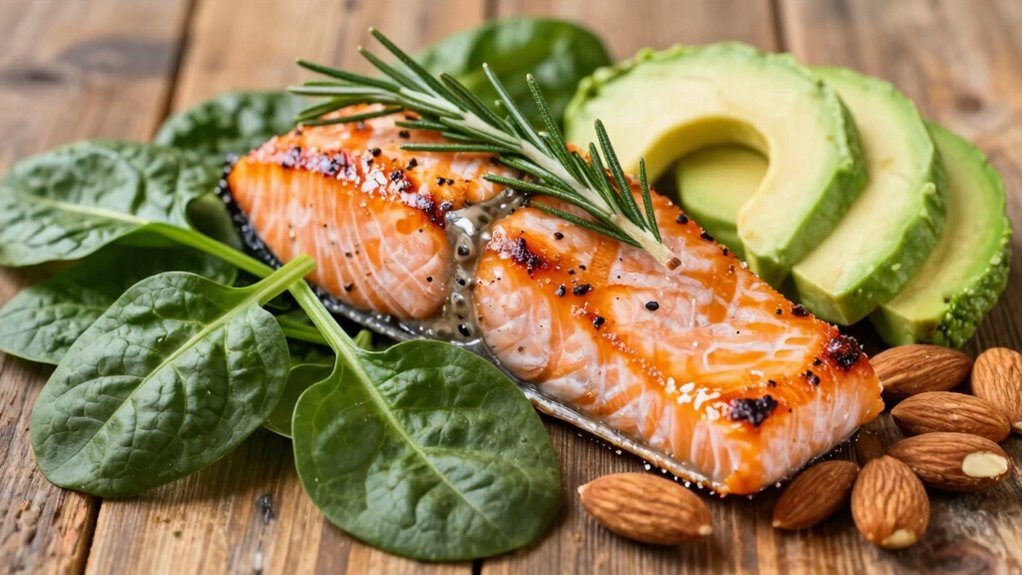
The keto diet is a low-carbohydrate, high-fat eating plan designed to shift your body into a state of ketosis, where it burns fat for energy instead of carbs. By focusing on ketogenic nutrition, you reduce your intake of sugars and starches, prompting your body to seek alternative fuel sources. High-fat intake plays a crucial role in maintaining ketosis and ensuring your body has enough energy to function properly. Dietary fats become your primary energy source, supplying the necessary calories and nutrients. This metabolic switch not only helps with weight loss but also improves mental clarity and energy levels for many people. To achieve this, you need to prioritize healthy fats like avocados, nuts, and oils while limiting carbs. Understanding how dietary fats fuel your body is essential to successfully maintaining the keto lifestyle. Additionally, the process of metabolic adaptation helps your body become more efficient at burning fat for fuel over time, which is also a principle rooted in Indigenous wellness practices that emphasize natural and sustainable energy sources. Recognizing the importance of nutritional ketosis can further support your efforts in achieving optimal health benefits.
What Is Ketosis and How Is It Achieved?

Ketosis is a metabolic state where your body starts burning fat for fuel instead of carbohydrates. To reach this state, you need a metabolic shift that reduces your carbohydrate intake and increases fat consumption.
Ketosis is when your body burns fat instead of carbs for energy.
As your carbohydrate stores become depleted, your body adapts through energy adaptation, producing ketones from fat in your liver. This process signals your body to switch from relying on glucose to using fat-derived ketones for energy.
Achieving ketosis typically involves limiting carbs to around 20-50 grams per day and increasing healthy fats. Over time, your body becomes more efficient at producing and utilizing ketones, maintaining this state even during fasting or physical activity.
This metabolic shift is the core of the ketogenic process, enabling sustained fat-burning.
What Are Ketones and Why Do They Matter?
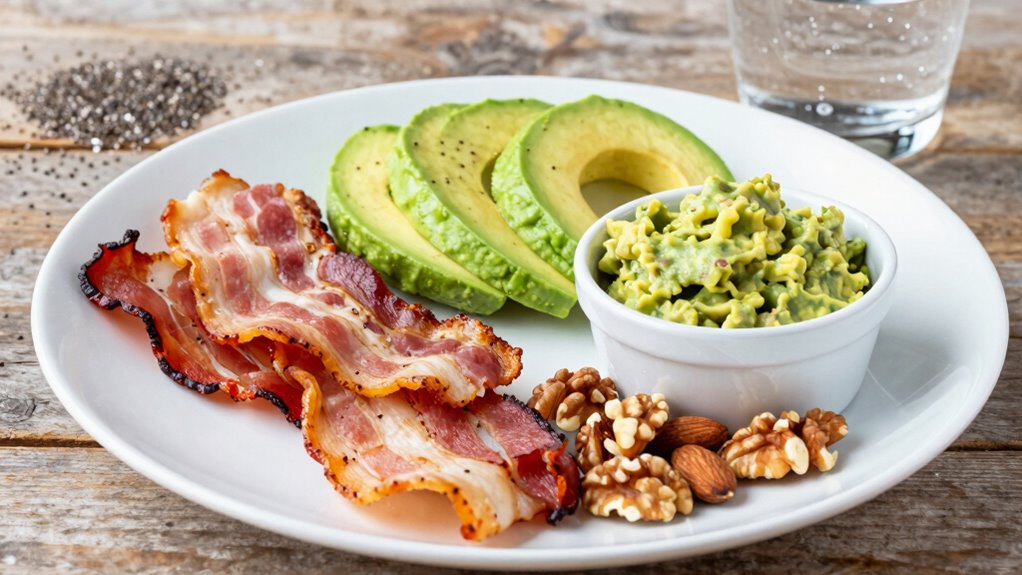
Ever wondered what exactly ketones are and why they’re so important on a ketogenic diet? Ketone bodies are molecules your body produces when it breaks down fat for energy, especially when carbohydrate intake is low. They serve as an essential metabolic fuel, providing your brain and muscles with an alternative energy source.
Unlike glucose, which comes from carbs, ketones are generated in the liver during ketosis. This shift helps your body conserve muscle mass and maintain energy levels.
Knowing about ketone bodies helps you understand how your body adapts to burning fat instead of carbs. They play a fundamental role in supporting the metabolic changes that make the ketogenic diet effective, fueling your body efficiently during this high-fat, low-carb state.
How Does Your Body Use Fat for Energy During Keto?

When your carb intake drops, your body starts converting stored fat into energy through a process called fat oxidation. This process produces ketones, which become your main fuel source. Understanding this switch helps you see how your body efficiently uses fat during a keto diet. Incorporating fiber-rich foods like chia seeds and leafy greens can support digestive health and optimize fat metabolism on keto. Additionally, paying attention to halal dietary practices ensures that your food choices remain compliant with your beliefs while following a ketogenic plan.
Fat Conversion Process
Have you ever wondered how your body switches from burning carbs to using fat for energy? During keto, your body shifts into a state of fat metabolism, activating specific energy pathways to efficiently convert stored fat into usable fuel. Cryptid mysteries reveal how unseen biological processes can remain hidden until properly understood. First, fat cells release triglycerides, which are broken down into glycerol and free fatty acids. These fatty acids then travel through your bloodstream to your tissues and muscles. Inside cells, they undergo beta-oxidation, a process that converts fatty acids into molecules called acetyl-CoA. This molecule then feeds into the Krebs cycle, where energy is produced. This fat conversion process allows you to sustain energy levels without relying on carbs, making fat your primary fuel source during ketosis. Understanding lipolysis can help clarify how your body mobilizes stored fat for energy during this metabolic shift. Additionally, the regulation of hormones like insulin and glucagon plays a crucial role in initiating and maintaining this process. Moreover, metabolic pathways are dynamically adjusted during ketosis to optimize fat utilization and energy production. New research also highlights how enzymes are essential in controlling the efficiency of these biochemical reactions during ketosis.
Ketones as Fuel
During keto, your body adapts to using fat as its primary energy source by producing ketones, which serve as an alternative fuel. When you follow ketogenic meal planning, your body shifts from relying on carbs to burning fat for energy. This process involves breaking down stored fat into ketones in the liver, which then fuel your brain and muscles.
Using ketones is efficient and sustainable, especially with keto friendly ingredients that promote fat burning.
- Your brain gets a steady energy supply from ketones, reducing cravings
- Fat stores become the main energy source, aiding weight loss
- You experience improved mental clarity and focus
- Meal planning with keto friendly ingredients ensures consistent ketone production
How Does Keto Affect Hunger, Cravings, and Metabolism?

When you start a keto diet, you may notice your hunger signals decrease and cravings fade over time. This shift happens because your body becomes more efficient at burning fat for energy. As a result, your metabolism gets a boost, helping you feel more energetic and satisfied. Additionally, adopting safe and responsible dietary changes can support your overall health and well-being for long-term success. Maintaining proper macronutrient balance is essential to prevent nutritional deficiencies while on the diet. Incorporating a variety of nutrient-dense foods can further enhance your nutritional intake and overall health.
Reduced Hunger Signals
Keto’s high-fat, low-carb approach can markedly reduce hunger signals by shifting your body’s energy source from sugar to fat. This process enhances hunger regulation and promotes appetite suppression, making it easier to eat less without feeling deprived. When your body burns fat for fuel, it produces ketones, which help stabilize blood sugar levels and curb excessive hunger. This means you’re less likely to experience the typical cravings that drive overeating. You may notice fewer hunger pangs between meals, helping you stick to your plan more easily. Additionally, the shift towards fat metabolism is a hallmark of metabolic adaptation, which can further improve your body’s efficiency in burning stored fat. As your body adapts to this new energy source, you may also experience an increase in fat-burning efficiency, leading to more effective weight management. Over time, this metabolic shift can also contribute to improved overall hormonal balance, supporting sustained appetite control.
Cravings Decrease Over Time
As your body adapts to burning fat for fuel, cravings tend to decrease over time. You’ll notice a significant drop in sugar cravings, as your brain stops relying on quick glucose sources. This shift is thanks to the appetite suppression that keto promotes, helping you feel fuller longer. Additionally, free floating substances in the bloodstream may influence your appetite regulation, further reducing hunger signals. Without the constant urge for sugary snacks, your overall desire for carbs diminishes. This process happens because your body stabilizes blood sugar levels and produces ketones, which help curb hunger signals. Over a few weeks, you’ll likely find it easier to resist cravings and avoid emotional eating triggered by sugar spikes. Fundamentally, your body learns to operate efficiently on fat, making cravings less intense and more manageable as you continue on your keto journey. Recognizing how metabolic adaptation occurs can help reinforce your commitment to a keto lifestyle.
Boosted Fat Burning
Have you ever wondered how keto speeds up fat burning? It triggers metabolic shifts that encourage your body to burn fat for fuel instead of carbs. These dietary adaptations help you tap into stored fat, increasing energy expenditure.
As your body adjusts, hunger and cravings often decrease, making it easier to stick to your plan. Keto also boosts your metabolism through sustained fat oxidation.
You can expect:
- Increased production of ketones that fuel your brain and muscles
- Reduced insulin levels, promoting fat release
- Enhanced mitochondrial efficiency for better energy use
- Long-term metabolic adaptations that support sustained fat burning
All these changes work together to accelerate fat loss and improve your overall metabolic health.
What Are the Benefits and Possible Side Effects of Keto?

Adopting a ketogenic diet can offer several notable benefits, such as weight loss, improved mental clarity, and increased energy levels. Many people find that keto helps sharpen their focus and enhances keto mental clarity, making daily tasks easier. Additionally, understanding water chemistry and proper hydration can support your body’s adjustment to this low-carb, high-fat regimen. Proper electrolyte balance is crucial during keto adaptation to prevent issues like muscle cramps and fatigue, emphasizing the importance of electrolyte balance in your nutrition plan. Maintaining awareness of hydration strategies can further optimize your transition into ketosis and reduce discomfort. An understanding of metabolic processes helps explain how your body shifts fuel sources during this diet. Staying mindful of carbohydrate intake is essential, as consuming too many carbs can hinder ketosis and its associated benefits. However, you should also be aware of possible side effects, especially in the early stages. These can include the “keto flu,” which involves fatigue, headaches, and irritability. Additionally, some individuals face keto social challenges, like feeling out of place at social gatherings that revolve around carbs. While most side effects are temporary, it’s important to monitor your body’s response and stay hydrated. Overall, the benefits often outweigh the risks, but individual experiences vary. Consulting with a healthcare professional can help determine if keto is right for you.
Is a Keto Meal Plan Right for You? Factors to Consider

Deciding if a keto meal plan suits you depends on your lifestyle, health goals, and dietary preferences. If you’re comfortable with meal prep and enjoy grocery shopping for low-carb options, keto could fit well. However, consider how sustainable it’s for your routine.
Ask yourself:
- Are you prepared to plan and prep keto-friendly meals regularly?
- Do you have access to grocery stores with suitable ingredients?
- Can you handle potential side effects or adjustments during the shift?
- Is your current health condition compatible with a high-fat, low-carb diet?
If meal prep feels manageable and grocery shopping for keto foods is convenient, it might be right for you. Otherwise, you may need to evaluate whether this plan aligns with your long-term lifestyle.
How Can You Tell If You’re in Ketosis?

Wondering if you’re in ketosis? You can look for some signs like increased uric acid levels, which sometimes cause gout flare-ups, or notice if you experience keto flu symptoms such as fatigue, headache, or dizziness. These symptoms often occur as your body adjusts to burning fat for fuel. Additionally, understanding the metabolic changes that occur during ketosis can help you recognize these signs more effectively. You might also notice a change in your breath, which can develop a fruity or acetone smell. Tracking ketone levels through urine strips, blood tests, or breath analyzers provides the most accurate confirmation. If your urine tests show elevated ketones and you’re experiencing typical keto flu symptoms, it’s a good sign you’ve entered ketosis. Recognizing physical symptoms that accompany ketosis can also serve as helpful indicators. It’s also useful to understand how hormonal shifts influence your body’s response during this process. Remember, everyone’s response varies, so patience is key as your body adapts.
Frequently Asked Questions
Can I Eat Carbs Occasionally While on Keto?
Yes, you can eat carbs occasionally while on keto through carb cycling, which involves planned carb refeeding days. This offers meal flexibility without disrupting ketosis long-term.
Just be mindful of your carb limits on keto days and keep the occasional carbs moderate. This approach helps you enjoy some variety, maintain your progress, and prevent feeling deprived, all while staying generally in ketosis.
How Long Does It Take to See Keto Results?
You’ll start seeing keto results within a few days to a couple of weeks as your body undergoes metabolic adaptation. During this time, it shifts from burning carbs to fat for fuel, promoting fat loss.
Keep in mind, maintaining muscle preservation is key, so include protein and strength training.
Consistency and patience are crucial; results vary based on your metabolism, activity level, and adherence to the keto plan.
Are There Vegetarian or Vegan Keto Options?
Yes, you can absolutely follow a plant-based or vegan keto diet! With plenty of plant-based options and vegan proteins like tofu, tempeh, seitan, and nuts, you can stay in ketosis while enjoying vibrant, meat-free meals.
Imagine transforming your diet into a colorful, nutrient-packed adventure that’s entirely vegan—because living healthily on keto isn’t just possible, it’s exciting and delicious!
What Are Common Mistakes Beginners Make on Keto?
You might make mistakes like not planning meals carefully, which can lead to carb creep and the dreaded keto flu. To avoid this, prioritize meal planning to guarantee your meals stay low in carbs and high in healthy fats.
Also, don’t rush into ketosis; give your body time to adapt. Staying hydrated and replenishing electrolytes can help ease symptoms and keep you on track.
Can Keto Help With Specific Health Conditions?
Keto can help manage health conditions like diabetes by improving blood sugar control and insulin sensitivity.
If you have epilepsy, keto often reduces seizure frequency.
However, it’s crucial to consult your healthcare provider before starting, as keto may not be suitable for everyone.
With proper guidance, adopting a keto diet could support your health goals related to these conditions.
Conclusion
Now that you understand how keto changes your body, are you ready to give it a try? Remember, it’s not just about cutting carbs but about shifting your energy source and embracing a new way of eating. With proper planning and awareness, you can experience the benefits firsthand. So, are you prepared to explore the potential of your body’s fat-burning power and see what keto can do for you?