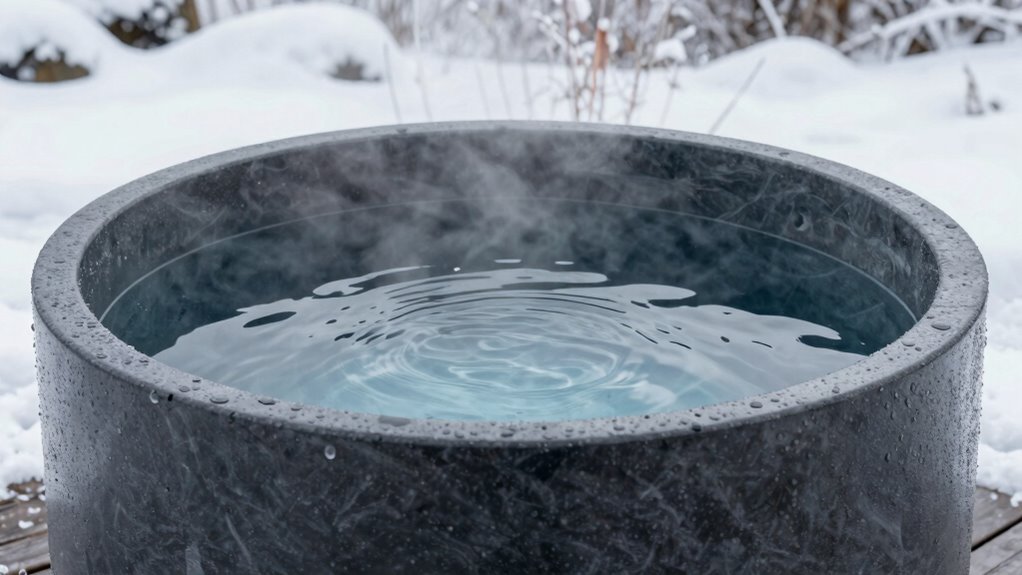

When using a cold plunge tub, temperature matters more than bravery. Keep the water between 50°F and 59°F (10°C – 15°C) for safety and maximum benefits, avoiding extreme cold that can cause discomfort or health risks. Start with shorter sessions and gradually lower the temperature as your tolerance builds. Monitoring your body’s signals is key—if you feel numb, dizzy, or shivery, it’s time to warm up. Continue exploring to learn how proper control enhances your experience safely.

Prime made for students and young adults
- Fast, free delivery for dorm and study essentials
- Prime Video and Amazon Music included
- Member-only deals
Key Takeaways
- Maintaining the ideal temperature range (50°F-59°F) ensures safety and maximum health benefits, regardless of bravery.
- Starting with short, manageable sessions helps your body adapt safely to cold exposure.
- Proper water quality and regular maintenance prevent infections and ensure a safe plunge environment.
- Consulting healthcare professionals is essential, especially if you have underlying health conditions.
- Gradually decreasing water temperature over time improves tolerance without risking shock or adverse effects.
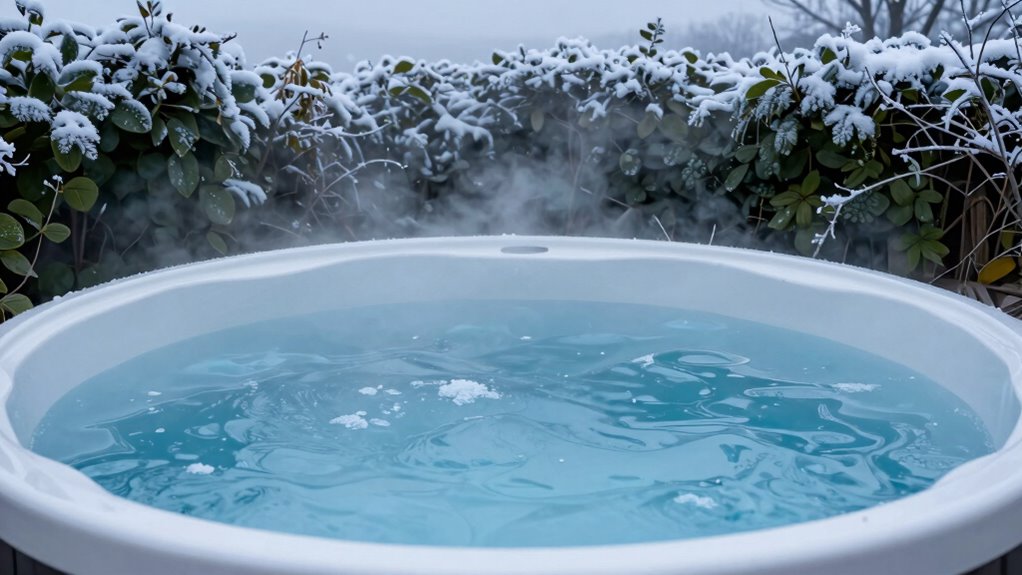
Knowing the right temperature range is essential. For most people, a cold plunge tub should be set between 50°F and 59°F (10°C – 15°C). Staying within this range allows you to enjoy the benefits without exposing yourself to extreme cold that could cause discomfort or hypothermia. It’s not about how cold you can stand it but about finding that ideal temperature that stimulates recovery without compromising safety. When you start, keep your immersion time short—around 5 to 10 minutes—and listen to your body. If you feel numbness, excessive shivering, or dizziness, it’s time to get out. These are signs that your body is under stress, and continuing could be dangerous. Regular pool maintenance and water chemistry checks are vital to ensure the tub remains safe and clean for use. Proper water chemistry management can also enhance comfort and safety during use. Maintaining proper water quality is essential to prevent bacterial growth and skin irritations. Safety precautions are a must when you’re using cold plunge tubs. Always consult with a healthcare professional if you have underlying health conditions like cardiovascular issues, as sudden cold exposure can cause adverse reactions. Make sure your tub is clean and maintained regularly to prevent infections or skin irritations. It’s also wise to have a warm, dry towel or blanket nearby to help you warm up after your session. Hydrating well before and after your ice bath can prevent dehydration and help your body adapt more comfortably to the cold. Additionally, understanding the benefits of cold therapy can motivate you to use the tub safely and effectively. Proper temperature regulation is key to maximizing benefits while minimizing risks, especially for beginners. If you’re new to cold plunges, start with shorter sessions and slightly warmer temperatures, gradually working your way down as your body adapts.
cold plunge tub with temperature control
As an affiliate, we earn on qualifying purchases.
As an affiliate, we earn on qualifying purchases.
Frequently Asked Questions
How Long Should I Stay in a Cold Plunge Tub?
You should stay in a cold plunge tub for about 3 to 5 minutes, depending on your comfort level and the water temperature. Focus on temperature regulation to avoid hypothermia, and always follow safety precautions like monitoring how you feel and getting out if you experience dizziness or numbness. Gradually increase your time as your body adapts, but prioritize safety over duration to enjoy the benefits safely.
What Are the Health Benefits of Cold Plunges?
Like a modern-day Hercules, you can boost your mental resilience and circulatory health with cold plunges. These icy dips stimulate your nervous system, helping you build mental toughness and reduce stress. They also improve blood flow, supporting your cardiovascular system. Regular cold plunges can enhance your recovery, reduce inflammation, and promote overall well-being, making you stronger both physically and mentally—just what you need to face life’s challenges head-on.
Can Cold Plunges Improve Athletic Recovery?
Cold plunges can definitely improve your athletic recovery by promoting muscle relaxation and reducing inflammation. As you immerse yourself, the cold constricts blood vessels, helping to flush out metabolic waste and ease soreness. Plus, the invigorating experience sharpens mental clarity, so you return to your training with renewed focus. Regular cold plunges can speed up recovery, lessen fatigue, and enhance overall performance, making them a valuable part of your routine.
Are There Any Risks Associated With Cold Plunging?
Yes, there are risks associated with cold plunging. You might experience cold shock, which can cause rapid breathing or heart rate increases, especially if you enter the water too quickly. There’s also a hypothermia risk if you stay in the cold water too long or if your body can’t regulate its temperature properly. Always start slowly, limit your time in the tub, and listen to your body to prevent these dangers.
How Often Should I Use a Cold Plunge Tub?
You should use your cold plunge tub 2-3 times a week to support your temperature regulation and build mental resilience. Consistency is key, but don’t overdo it—listen to your body and avoid prolonged exposure. Regular cold plunges can boost your recovery, mental focus, and stress management. Just make certain the water temperature remains safe, and gradually increase your tolerance to improve mental resilience without risking health.
best cold plunge tub for recovery
As an affiliate, we earn on qualifying purchases.
As an affiliate, we earn on qualifying purchases.
Conclusion
Remember, when it comes to cold plunge tubs, temperature truly matters more than bravery. For instance, if you plunge into water that’s too cold without proper acclimation, you risk shock or injury. A friend once skipped gradual cooling and experienced dizziness afterward. Take it slow, listen to your body, and prioritize safe, controlled exposure over just bravado. Ultimately, respecting the right temperature guarantees you reap the benefits without unnecessary risks.
cold plunge tub water thermometer
As an affiliate, we earn on qualifying purchases.
As an affiliate, we earn on qualifying purchases.
As an affiliate, we earn on qualifying purchases.
Halloween Picks
halloween
As an affiliate, we earn on qualifying purchases.