
Hydrogen peroxide is a versatile household cleaner and disinfectant, but you need to handle it carefully. Use it for cleaning surfaces, disinfecting minor cuts, and whitening fabrics at appropriate dilution levels—usually 3% or 6%. Avoid mixing it with vinegar, bleach, or ammonia, as dangerous fumes can form. Store it in a dark, cool place away from organic materials. Keep these tips in mind, and you’ll use hydrogen peroxide safely and effectively. Learn more to protect yourself and your loved ones.

Prime made for students and young adults
- Fast, free delivery for dorm and study essentials
- Prime Video and Amazon Music included
- Member-only deals
Key Takeaways
- Use 3% hydrogen peroxide for general disinfection; avoid higher concentrations to prevent skin irritation and damage.
- Store hydrogen peroxide in opaque containers away from heat, light, and chemicals like bleach or vinegar to prevent dangerous reactions.
- Do not mix hydrogen peroxide with bleach, vinegar, or ammonia, as it produces toxic gases and harmful compounds.
- Always dilute appropriately and apply with gloves and eye protection, ensuring proper ventilation during use.
- Avoid using hydrogen peroxide on delicate surfaces or deep wounds; it is primarily for surface cleaning and minor disinfecting.
3% hydrogen peroxide disinfectant
As an affiliate, we earn on qualifying purchases.
As an affiliate, we earn on qualifying purchases.
What Is Hydrogen Peroxide and How Does It Work at Home?
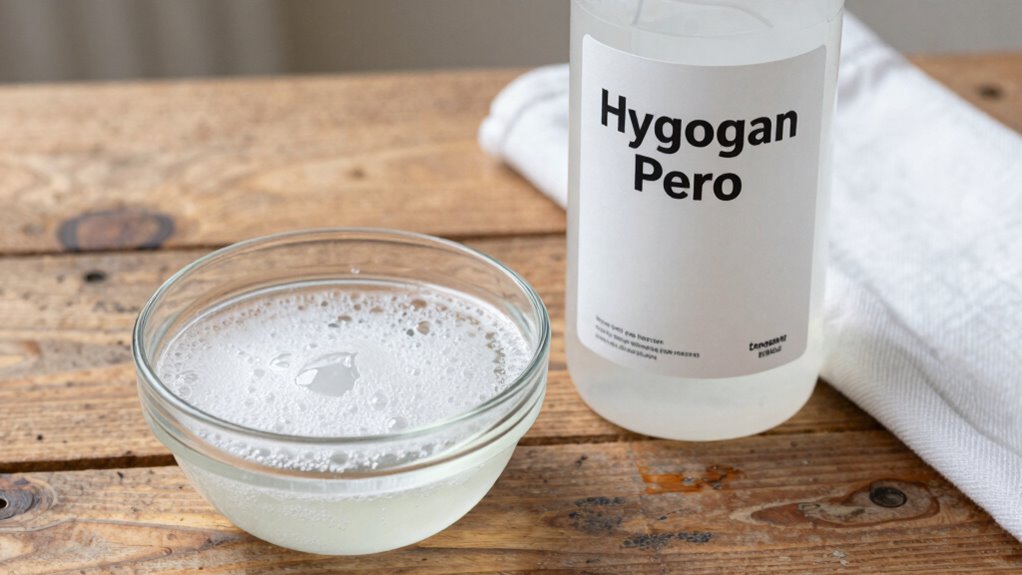
Have you ever wondered what hydrogen peroxide really is and how it works around your house? It’s a simple chemical compound with the formula H₂O₂, consisting of two hydrogen atoms and two oxygen atoms. Its chemical composition makes it a powerful oxidizer. When you use hydrogen peroxide, it undergoes an oxidation process—meaning it releases oxygen molecules that help break down stains, bacteria, and other organic materials. This reaction produces bubbles and foam, which lift dirt and microbes from surfaces. Because of this oxidation process, hydrogen peroxide acts as an effective disinfectant and cleaner. Its ability to generate oxygen makes it versatile for household tasks like sanitizing cuts, whitening fabrics, and cleaning surfaces—all without harsh chemicals. Additionally, understanding its oxidation process can help you use it more effectively and safely around your home. This oxidation reaction is also why it’s important to use hydrogen peroxide in appropriate concentrations to avoid damage or unintended reactions. Using the correct concentration can prevent surface damage and ensure safety during cleaning. Moreover, selecting the right concentration level can maximize its effectiveness while minimizing potential risks.
opaque hydrogen peroxide storage bottles
As an affiliate, we earn on qualifying purchases.
As an affiliate, we earn on qualifying purchases.
Safety Tips for Using Hydrogen Peroxide Safely in Your House
To use hydrogen peroxide safely at home, you need to follow proper storage practices, like keeping it in a cool, dark place out of reach of children. Additionally, understanding the proper dilution ratios can help prevent skin or eye irritation, and always applying it with safe techniques. Paying attention to these safety tips keeps your household protected while taking advantage of hydrogen peroxide’s benefits. Regularly checking for filter indicators on your air purifier can alert you when filters need replacement or cleaning, ensuring optimal performance and safety. Incorporating energy-efficient solutions can further enhance your home’s safety and sustainability. Being aware of storage safety tips can also minimize accidental exposure or misuse.
Proper Storage Practices
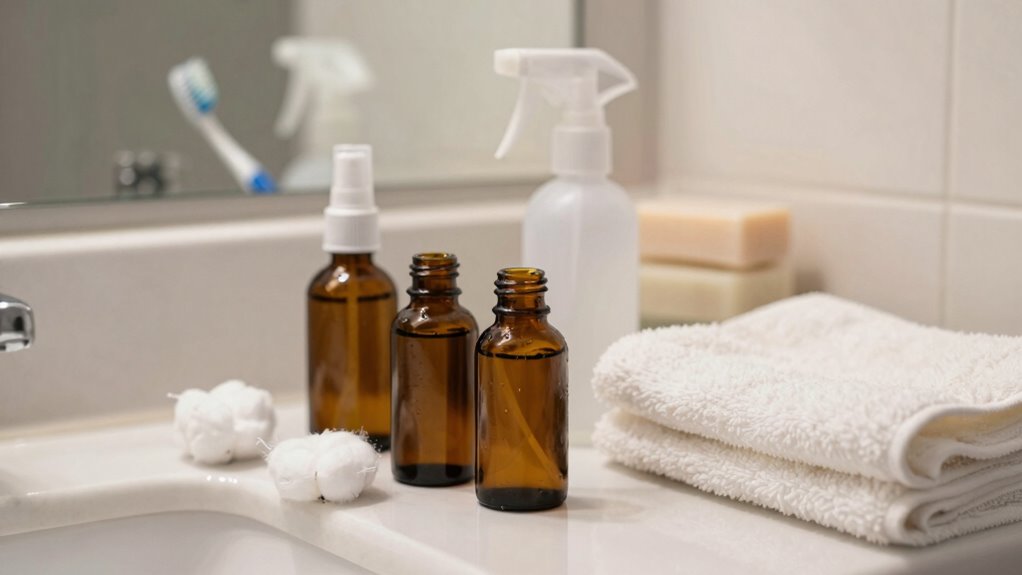
Proper storage of hydrogen peroxide is essential to guarantee safety and maintain its effectiveness. Use appropriate storage containers, ideally opaque, to protect it from light, which can degrade its potency. Choose containers made of materials compatible with hydrogen peroxide, such as certain plastics or glass. Proper storage also involves considering the overall cost‑of‑ownership, ensuring that containers are durable and suitable for long-term use. Always follow proper labeling practices by clearly marking the container with its contents and date of purchase or opening. Store hydrogen peroxide in a cool, dry place away from heat sources, direct sunlight, and incompatible substances like acids or organic materials. Keep it out of reach of children and pets to prevent accidental ingestion or spills. Regularly check containers for leaks or discoloration and replace them if necessary. Understanding storage safety can help prevent accidents and preserve the solution’s effectiveness. Proper storage practices can also minimize the risk of chemical reactions that may occur if stored improperly. Additionally, being aware of hazardous chemical handling guidelines is crucial for safe storage practices. Implementing safe storage procedures ensures safe handling and preserves the solution’s effectiveness. Proper storage helps assure safe handling and preserves the solution’s effectiveness.
Correct Dilution Ratios
Using hydrogen peroxide safely at home starts with understanding the correct dilution ratios. The right concentration levels ensure effective cleaning without risking damage or injury. For general disinfecting, a common mixture is a 3% solution, often used straight or diluted further. For tougher stains or mold, a 6% solution may be appropriate, but never exceed recommended concentration levels. Here’s a quick reference:
| Purpose | Dilution Ratio |
|---|---|
| Surface disinfection | 3% (use as is or dilute with water) |
| Stain removal | 6% (dilute with water to 3%) |
| Whitening or cleaning | 3% or less, depending on application |
Always verify the dilution ratios to match the intended use and avoid over-concentrating, which can cause harm. Additionally, understanding the horsepower of electric dirt bikes can help you appreciate the importance of proper maintenance and safe handling when using power equipment around your home. Proper storage and handling precautions are also essential to prevent accidents and ensure safe use of hydrogen peroxide in household settings. Being aware of safe dilution practices can further help you avoid potential hazards. It is also beneficial to be knowledgeable about chemical safety guidelines to minimize risks associated with household chemicals. Furthermore, familiarizing yourself with natural pool design can promote safer, eco-friendly backyard environments.
Safe Application Techniques
When applying hydrogen peroxide at home, it’s essential to follow safety precautions to prevent accidents or injuries. Proper application techniques ensure safe and effective use. Always wear gloves and eye protection to avoid skin or eye irritation. Use a spray bottle or clean cloth for controlled application, avoiding direct pouring. Work in well-ventilated areas to reduce inhalation risks. Keep hydrogen peroxide away from children and pets by storing it securely. Additionally, understanding pool chemistry concepts can help you determine appropriate dilutions for various cleaning tasks. Proper storage and labeling also play a vital role in household chemical safety to avoid accidental misuse. Being aware of vetted vacuum cleaner features can help you select suitable tools for cleaning surfaces after using hydrogen peroxide. Visualize yourself:
- Spraying a disinfectant mist onto surfaces
- Dabbing with a clean cloth for stain removal
- Applying a diluted solution with a sponge
- Carefully rinsing treated areas with water
- Monitoring chemical reactions to ensure safe handling and effective cleaning. A thorough understanding of chemical safety protocols can further prevent mishaps during household cleaning.
hydrogen peroxide surface cleaner
As an affiliate, we earn on qualifying purchases.
As an affiliate, we earn on qualifying purchases.
How to Use Hydrogen Peroxide for Cleaning and Disinfection
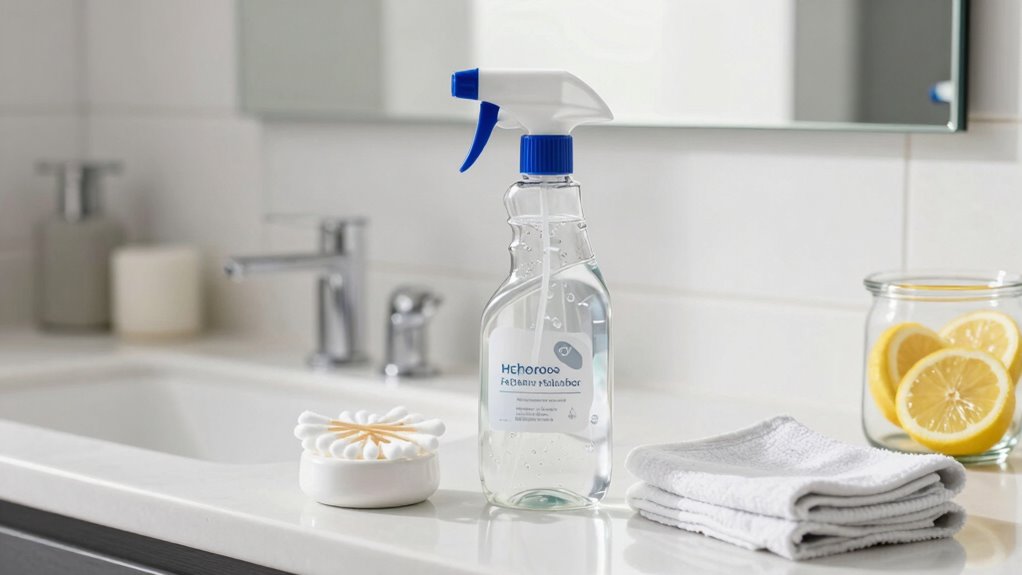
Hydrogen peroxide is a versatile and effective cleaning agent that you can easily incorporate into your home routines. To use it for cleaning and disinfection, start by diluting it with water—typically a 3% solution works well. Spray it directly onto surfaces like countertops, sinks, or bathroom tiles, then let it sit for a few minutes before wiping. It’s a safe alternative cleaning solution that helps eliminate germs without harsh chemicals. Additionally, understanding trustworthy information about its proper use can help you avoid common mistakes. Be aware of common hydrogen peroxide myths; for example, some believe it’s only for wound care, but it’s also excellent for sanitizing surfaces. Always store it in a cool, dark place to maintain potency. Using hydrogen peroxide correctly ensures a safe, effective way to keep your home clean. Understanding how hydrogen peroxide interacts with different materials, such as household surfaces, can help prevent damage and ensure safe usage. Recognizing proper storage techniques is essential for preserving its effectiveness over time, and being aware of its interactions with materials can help prevent unintended damage. Being mindful of material compatibility can extend the lifespan of your household surfaces while using hydrogen peroxide.
hydrogen peroxide for whitening fabrics
As an affiliate, we earn on qualifying purchases.
As an affiliate, we earn on qualifying purchases.
Proper First Aid Uses of Hydrogen Peroxide
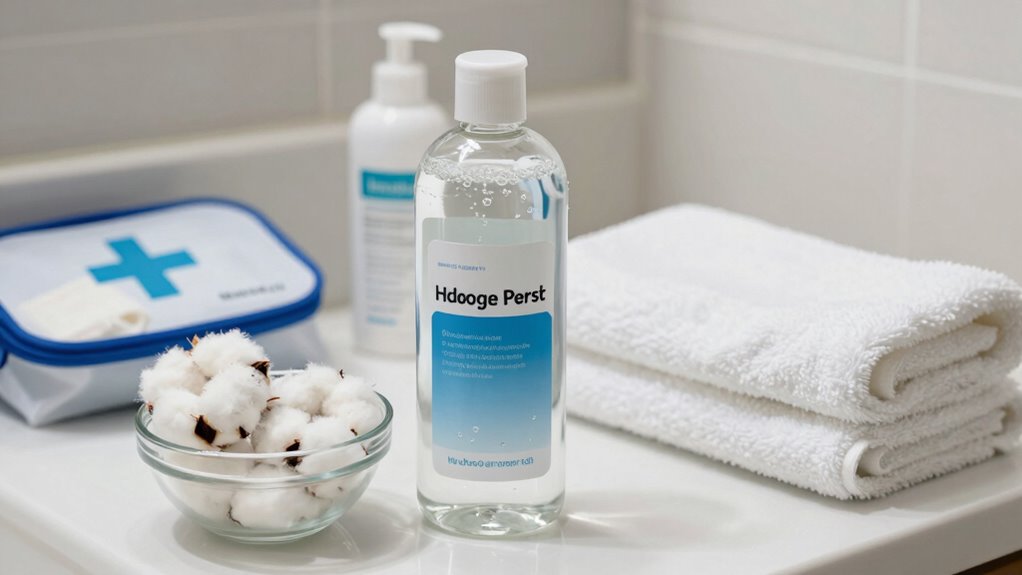
Hydrogen peroxide can be effective for disinfecting minor cuts and scrapes, helping to prevent infection.
You can also use it to remove surface debris or bacteria from the skin’s surface.
Just remember to use it carefully and not overdo it to avoid irritating your skin.
Disinfecting Minor Cuts
Have you ever wondered if hydrogen peroxide is safe for cleaning minor cuts? It can be effective, but use it carefully. When disinfecting, it bubbles to remove dirt and bacteria, helping your skin heal faster. Just remember, overuse can irritate tissue.
Envision this:
- Applying it gently with a cotton swab, not pouring directly
- Letting it fizz and foam as it lifts out debris
- Using it on small scrapes during foot care routines
- Avoiding contact with plants or watering cans, as it can harm roots
While hydrogen peroxide is great for minor cuts, avoid using it excessively. Keep it away from your eyes, and don’t use it on deep wounds. It’s a handy disinfectant, but always follow proper first aid guidelines.
Removing Surface Bungi
When you notice surface bungi or stubborn dirt on household surfaces, hydrogen peroxide can be an effective cleaning agent. It helps with stain removal, especially for tough surface stains that resist regular cleaning.
To use it, pour a small amount of hydrogen peroxide directly onto the stain or apply it with a clean cloth. Let it sit for a few minutes to break down the stain and loosen dirt.
Then, scrub gently with a soft brush or cloth to lift the surface stain. Rinse the area with water and wipe dry.
Hydrogen peroxide’s oxidizing properties make it excellent for removing surface bungi without harsh chemicals, leaving your surfaces cleaner and brighter. Just remember not to use it on delicate materials that might react adversely.
Chemicals and Items to Avoid Mixing With Hydrogen Peroxide
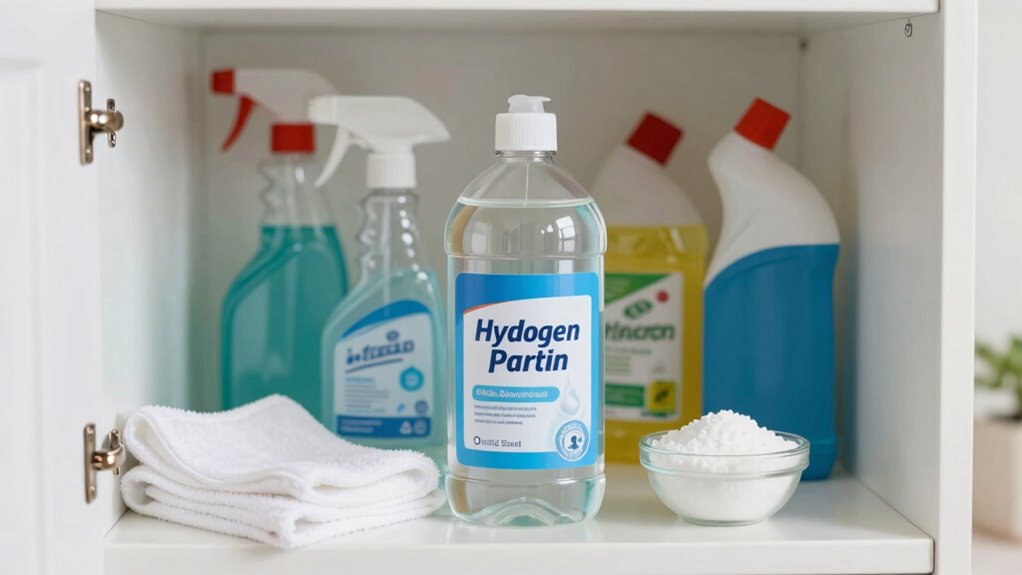
Mixing hydrogen peroxide with certain chemicals can be dangerous, so it’s important to know which items to avoid. Unsafe chemical interactions can produce toxic fumes, explosions, or degrade your surfaces.
To stay safe, keep hydrogen peroxide away from:
- Bleach: Creates toxic chloramine vapors.
- Vinegar: Produces harmful peracetic acid and acetic acid vapors.
- Ammonia: Forms hazardous chloramine gases.
- Organic materials: Such as dirt or grease, which can cause uncontrolled reactions.
Always follow proper storage guidelines for hydrogen peroxide, keeping it separate from these chemicals. Proper storage minimizes accidental mixing and ensures safety.
Being cautious about chemical interactions helps prevent dangerous reactions in your home.
How to Tell If You’re Using Hydrogen Peroxide Correctly?
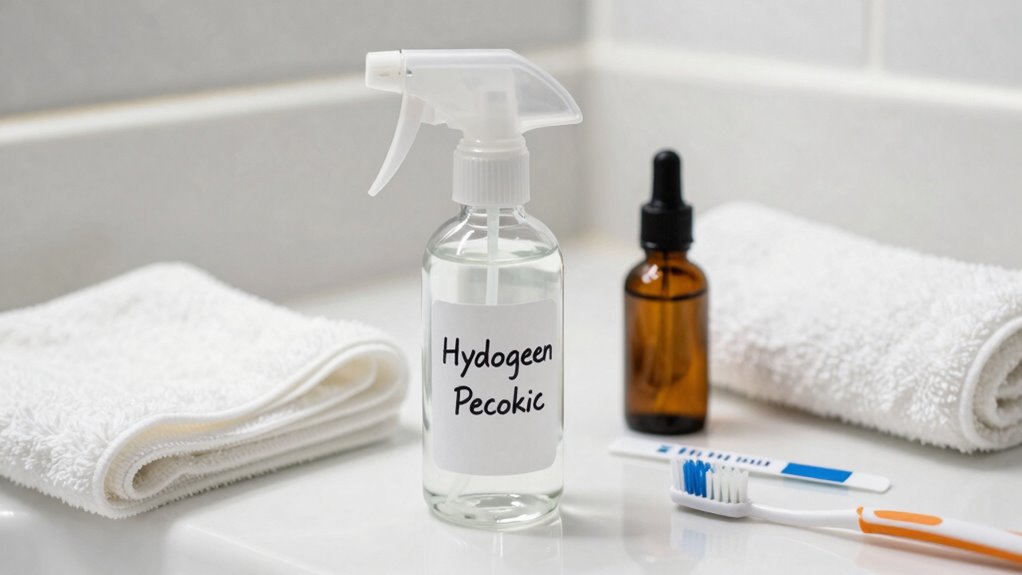
Knowing whether you’re using hydrogen peroxide correctly is vital to guarantee safety and effectiveness. Proper usage begins with understanding the correct concentration for your purpose, typically 3% for home use.
Always measure accurately to avoid overuse or underuse, which can impact results or cause harm. Use a clean dropper or measuring cup to ensure precise amounts, especially when diluting for cleaning or disinfecting.
Check the label for instructions, and follow recommended contact times. If you’re using it for wound cleaning, ensure the peroxide is fresh and not expired.
Pay attention to the color and smell—any change might indicate degradation. Proper measurement and adherence to guidelines help you achieve the desired outcome safely and effectively.
Best Practices for Storing Hydrogen Peroxide Safely
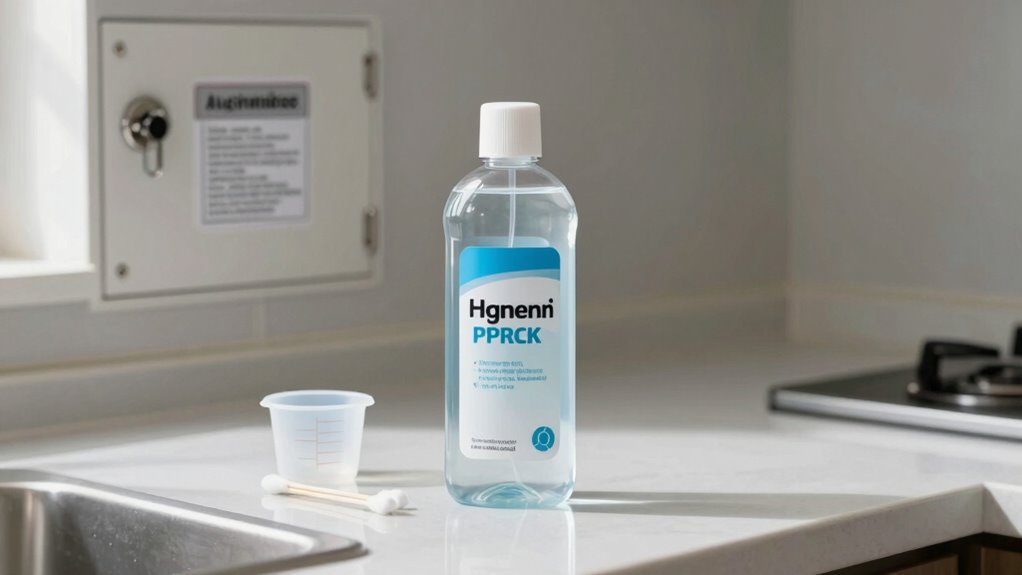
Proper storage is essential to maintain hydrogen peroxide’s stability and safety at home. Use appropriate storage containers, such as opaque, non-reactive bottles, to keep it protected from light and degradation. Guarantee containers are tightly sealed to prevent leaks and evaporation.
Follow labeling practices diligently—mark containers clearly with contents and date received to avoid mix-ups. Store hydrogen peroxide in a cool, dry place away from heat sources and direct sunlight.
Keep it separate from flammable materials and acids to prevent dangerous reactions. Consider using a dedicated cleaning cabinet or shelf for added safety.
Regularly check storage containers for cracks or discoloration, and never transfer hydrogen peroxide to unmarked or unfamiliar bottles. These practices help safeguard your household and preserve the solution’s effectiveness.
Common Myths About Hydrogen Peroxide Debunked
Many people believe hydrogen peroxide is a miracle cure-all, but this isn’t true. It’s important to do myth correction and verify facts before using it for various purposes.
Some common myths suggest it can cure all infections, whiten teeth effortlessly, or eliminate every stain. However, fact verification shows that hydrogen peroxide is effective only in specific situations, like disinfecting minor cuts or cleaning surfaces.
Hydrogen peroxide doesn’t cure all infections or remove every stain—use it safely and appropriately.
Overusing or misapplying it can cause skin irritation or damage. It’s not a substitute for professional medical advice or treatment.
Recognizing these misconceptions helps you use hydrogen peroxide safely and effectively at home. Always check credible sources and consult experts to avoid falling for false claims.
Knowledge of the truth ensures you make informed, safe decisions.
Frequently Asked Questions
Can Hydrogen Peroxide Be Used on All Types of Fabrics?
No, hydrogen peroxide can’t be used on all fabrics. It works well for stain removal and fabric dyeing on white or colorfast materials, but it can damage delicate or synthetic fabrics like wool, silk, or polyester.
Always test on a small, hidden area first, as hydrogen peroxide may cause discoloration or weakening of fibers. Use it carefully and follow care instructions for each fabric type to avoid damage.
Is Hydrogen Peroxide Safe for Use Around Pets and Children?
Hydrogen peroxide isn’t entirely safe around pets and children. You need to keep it out of their reach, prevent accidental ingestion, and avoid contact with eyes or skin.
Always supervise when using it in areas where pets and kids play.
For pet safety and child safety, opt for safer cleaning alternatives when possible.
If accidental exposure occurs, seek medical advice promptly to prevent any harm.
How Long Does Hydrogen Peroxide Last Before It Degrades?
Hydrogen peroxide typically lasts about 6 months to a year before it degrades, depending on storage stability.
You should store it in a cool, dark place, tightly sealed, to slow chemical degradation. Exposure to light, heat, or air accelerates its breakdown into water and oxygen.
Check the expiration date on the bottle and look for a clear, colorless liquid; if it’s cloudy or has changed color, it’s best to replace it.
Can Hydrogen Peroxide Damage Certain Surfaces or Materials?
Hydrogen peroxide can indeed damage certain surfaces or materials. While it’s effective for disinfecting, it may discolor or degrade delicate surfaces like paper, fabric, and some plastics.
Always check surface compatibility and material safety before use. You wouldn’t want to ruin your favorite countertop or artwork, so test it on a small, hidden area first.
Knowing its limits helps prevent costly damage and keeps your home safe.
What Are the Environmental Impacts of Disposing of Hydrogen Peroxide?
Disposing of hydrogen peroxide can affect the environment if not done properly. Its environmental impact depends on concentration and disposal methods; high concentrations may harm aquatic life.
To minimize risks, dilute it with water before disposal and avoid pouring it into drains or waterways. Always follow local regulations for disposal, and consider taking it to a hazardous waste facility to guarantee safe and responsible disposal methods.
Conclusion
Now you know the dos and don’ts of deploying hydrogen peroxide at home. By being brave with safety, smart with solutions, and cautious with chemicals, you can confidently clean, disinfect, and care. Keep storage smart, avoid accidental mixing, and always follow proper protocols. With the right routines, hydrogen peroxide becomes a helpful, hygienic helper—making your home healthier, safer, and spotlessly sparkling. Stay savvy, stay safe, and let hydrogen peroxide work wonders wisely!
Fall Picks
fall essentials
As an affiliate, we earn on qualifying purchases.