
Mosquitoes are most attracted to you because of your unique body chemistry, including your skin odors, sweat, and the microbes on your skin. Factors like body heat, carbon dioxide you exhale, and your genetics also play a role in making you more appealing. Environmental aspects such as standing water nearby and your clothing choices can increase your chances of getting bitten. If you want to understand more about why some people are more tempting to mosquitoes, keep exploring.
Key Takeaways
- Individual body odor, influenced by skin microbes and genetics, makes some people more attractive to mosquitoes.
- Higher levels of body heat and increased CO₂ emissions signal a more appealing host for mosquitoes.
- Blood type O is linked to greater mosquito attraction compared to other blood types.
- Personal hygiene, scent products, and clothing color can either attract or repel mosquitoes.
- Variations in skin chemistry and microbial diversity explain why some individuals are bitten more frequently.

OFF! Clean Feel Insect Repellent Aerosol with 20% Picaridin – Long-Lasting DEET-Free Protection from Mosquitoes, Fragrance-Free Pest Control For Ticks & Flies, Camping, Bug Spray – 5 oz (Pack of 2)
- Texture: Non-greasy, quick-drying spray
- Duration: Up to 8 hours of protection
- Scent: Odorless formula for discreet use
As an affiliate, we earn on qualifying purchases.
As an affiliate, we earn on qualifying purchases.
Why Do Mosquitoes Target Some People More Than Others?
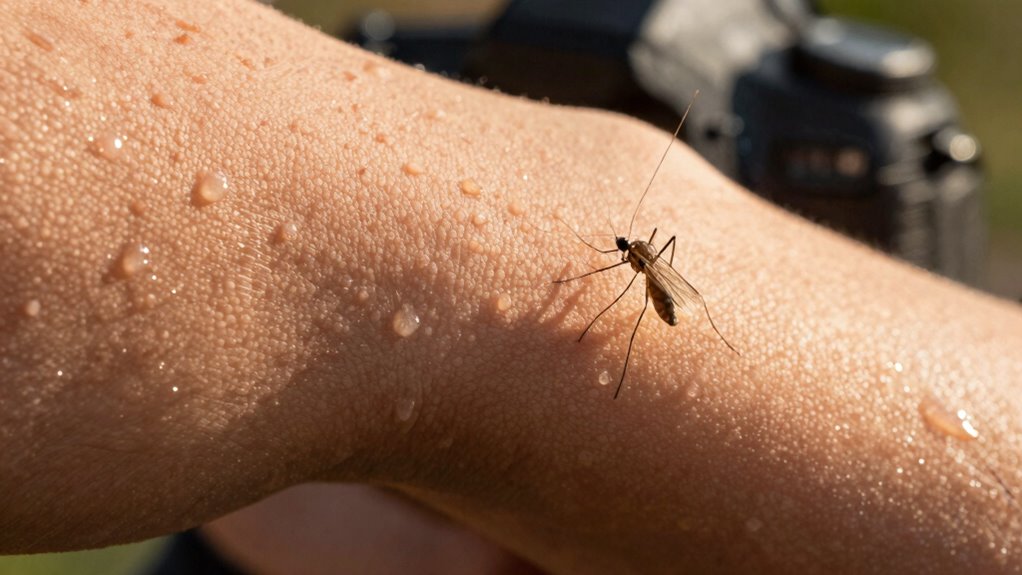
Mosquitoes don’t bite everyone equally; instead, they seem to have their preferred targets. Their ability to choose specific people comes down to mosquito sensory detection. Mosquitoes use sensors to pick up cues like body heat, carbon dioxide, and certain body odors, guiding them toward their hosts. Urban mosquito habitats—such as stagnant water sources and dense human populations—make it easier for mosquitoes to find people nearby. If you tend to emit more carbon dioxide or have a higher body temperature, you’re more likely to attract mosquitoes. These insects are highly attuned to their environment, honing in on signals that reveal where humans are. Additionally, mosquito attraction factors can vary based on individual genetics and skin chemistry. For example, body odor plays a significant role in mosquito preferences, which can differ widely among individuals. That’s why, in urban areas, some people get bitten more often than others.

OFF! Backyard Citronella Scented Candle, Ambiance Enhancing Centerpiece, Burns for up to 25 Hours, 8 oz (Pack of 2)
- Enhances outdoor ambiance: Creates a gentle glow for outdoor occasions
- Mosquito repellent: Reduces mosquitoes with citronella oil
- Long-lasting burn: Up to 30 hours per candle
As an affiliate, we earn on qualifying purchases.
As an affiliate, we earn on qualifying purchases.
What Factors Make You More Attractive to Mosquitoes?
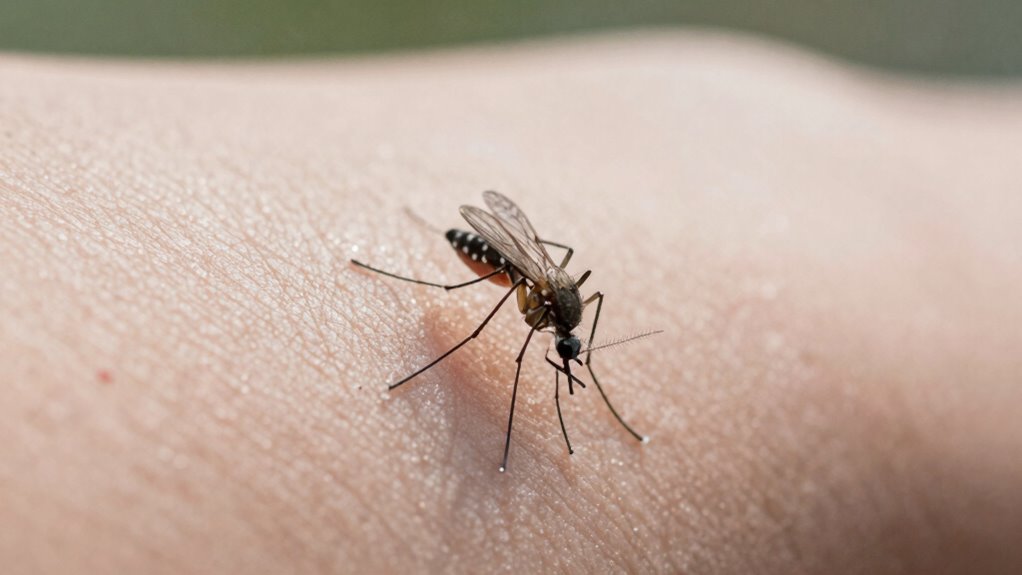
Certain characteristics can make you more appealing to mosquitoes. If you live near mosquito breeding sites like standing water or puddles, you’re at higher risk. These sites provide perfect breeding grounds, increasing mosquito populations nearby. Urban pollution also plays a role; pollutants can alter your scent, making you more detectable to mosquitoes. High levels of urban pollution may change the chemicals you emit, attracting these insects. Additionally, factors like increased heat and humidity from city environments can boost mosquito activity around you. Your body’s natural scent, combined with proximity to breeding sites and urban pollution, makes you more attractive to mosquitoes. Understanding the impact of vector ecology can further clarify how mosquito populations thrive in certain areas. Moreover, urban environmental factors can significantly influence mosquito behavior and distribution. Climate conditions, such as warmer temperatures and increased rainfall, further contribute to mosquito proliferation and activity, especially in urban settings. Urban heat islands can also elevate local temperatures, amplifying mosquito activity and breeding potential. Being aware of these factors helps you understand why some environments and conditions elevate your chances of mosquito bites.

2 Pack Mosquito Head Net Mesh for Hiking & Outdoors,Bug Netting over Hat Adults Insect Gnat Fly Protection Face Cover Mask Hood Midge Clothing Jacket
- Insect Protection for Face and Neck: Keeps insects away from eyes, nose, ears, face, neck, shoulders
- Soft, Lightweight Mesh Material: Comfortable, non-scratchy, breathable black mesh
- Clear Visibility and Sun Glare Reduction: See through mesh with minimal glare in sunlight
As an affiliate, we earn on qualifying purchases.
As an affiliate, we earn on qualifying purchases.
How Do Body Chemistry and Skin Microbes Influence Mosquito Attraction?
Your body chemistry sends out signals that mosquitoes can detect, making some people more appealing than others. The composition of your skin microbes also plays a role, influencing the scent you emit. Together, these factors help mosquitoes decide whether you’re a tasty target. Additionally, the presence of certain reconditioning batteries can alter the overall scent profile, potentially affecting mosquito attraction. Some studies suggest that environmental factors and personal hygiene also impact how attractive you are to mosquitoes, emphasizing the complex interplay of various body chemistry components.
Body Chemistry Signals
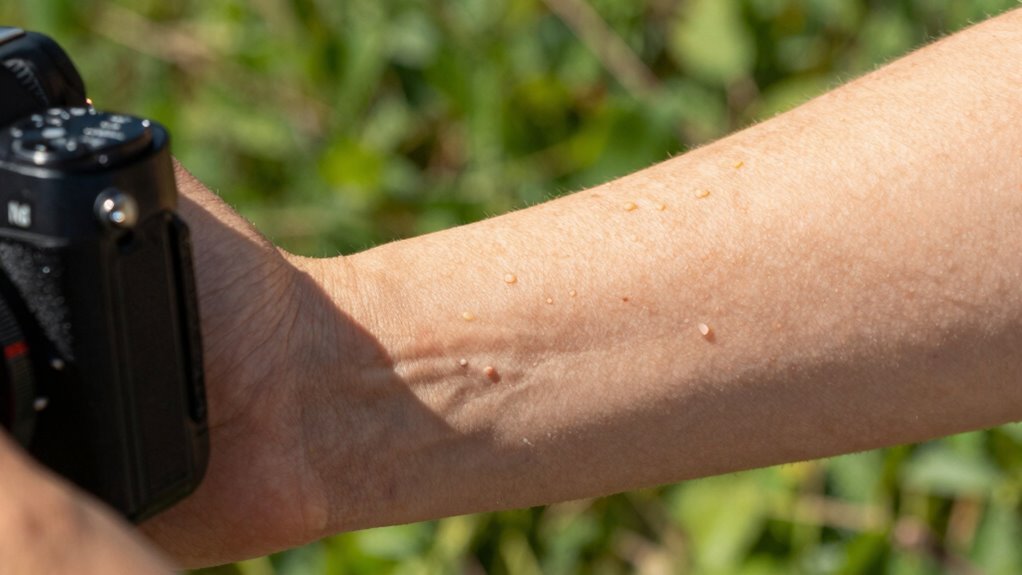
Body chemistry plays a crucial role in attracting mosquitoes, as they are highly sensitive to specific chemical signals emitted by human skin. Your antioxidant levels influence these signals, since lower antioxidants can lead to increased production of odor-causing compounds. Additionally, sweat composition varies from person to person, affecting which chemicals are released into the air. For example, some individuals naturally emit more lactic acid, ammonia, or certain acids that mosquitoes find irresistible. These chemical cues act as signals, guiding mosquitoes toward their preferred hosts. Your unique blend of antioxidants and sweat components fundamentally sends a chemical invitation, making you more or less attractive to these pests. Understanding these signals highlights how your body chemistry directly influences mosquito attraction. Free Floating
Skin Microbe Composition
Since the microbes living on your skin interact with your body’s chemical signals, they play a significant role in mosquito attraction, influencing which scents are emitted into the environment. Your skin flora, comprising diverse microbes, shapes these emissions by breaking down sweat and oils. Greater microbial diversity can produce a wider array of chemical compounds, making you more noticeable to mosquitoes. Imagine this process visually:
| Skin Microbes | Emitted Scents | Mosquito Response |
|---|---|---|
| Bacteria | Lactic acid, ammonia | Attracts mosquitoes |
| Fungi | Unique sulfur compounds | Increases attraction |
| Viruses | No direct scent effect | Minimal impact |
This microbial mix determines your scent profile, affecting how appealing you are to mosquitoes. Your skin’s microbial diversity is a key factor in mosquito magnetism, and understanding microbial diversity can help in developing protective strategies. Recognizing how skin microbiota composition influences scent emissions is essential for understanding individual differences in mosquito attraction. Additionally, research indicates that body chemistry plays a part in shaping these microbial communities and their effects. The microbial interactions on your skin are complex and can vary based on numerous factors like environment and hygiene. Moreover, studies suggest that environmental influences can alter the skin’s microbial landscape, further impacting mosquito attraction.
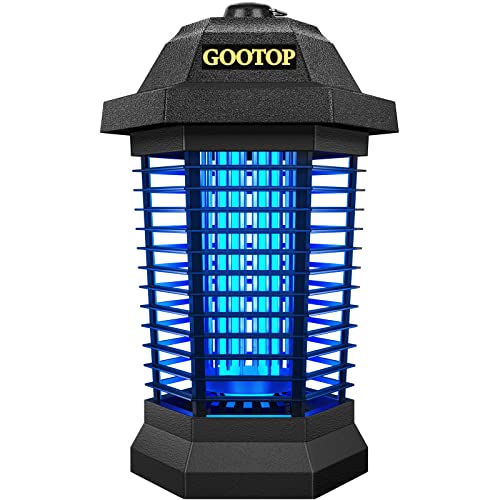
GOOTOP Bug Zapper Outdoor, Mosquito Zapper, 4200V 3 Prong Plug in Electric Fly Zapper, Mosquito Killer, Fly Traps, Flying Insects Zapper Indoor Outdoor, ABS Plastic Outer (Black)
- Effective Insect Elimination: Catches mosquitoes, flies, gnats, wasps, and more
- EPA Registered: Physical mosquito control without chemicals
- Easy to Use & Lightweight: Hangs easily, no warm-up needed
As an affiliate, we earn on qualifying purchases.
As an affiliate, we earn on qualifying purchases.
How Do Body Heat and Carbon Dioxide Signal Mosquitoes?
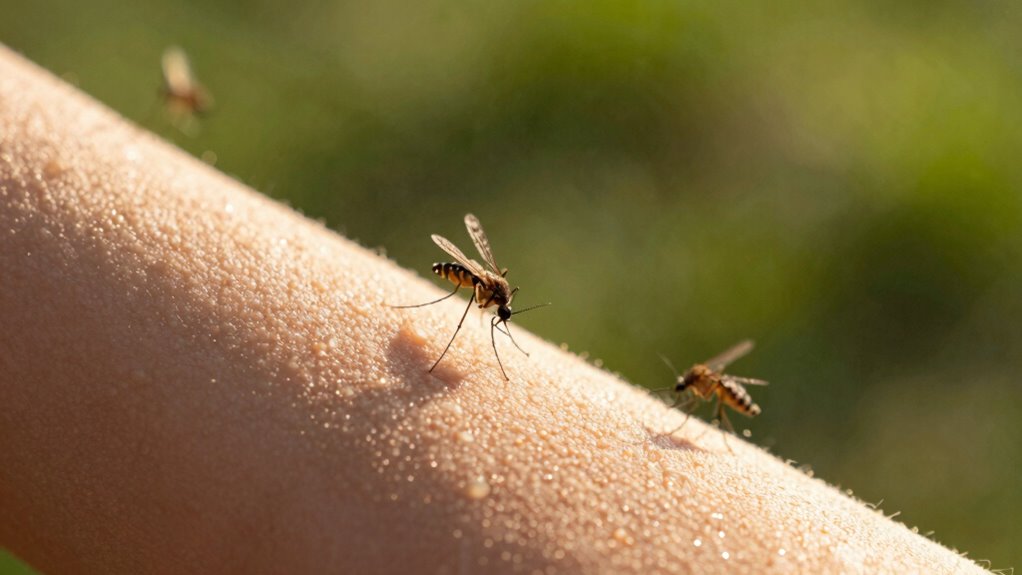
Mosquitoes are highly attuned to signals that indicate the presence of a host, with body heat and carbon dioxide playing essential roles. When you breathe out, you release carbon dioxide, which mosquitoes detect from up to 50 meters away. They also sense body heat, helping them locate warm-blooded hosts. These cues lead mosquitoes toward areas where they can find mosquito breeding sites, such as standing water, and aid in mosquito species identification. By honing in on these signals, mosquitoes effectively target their bites, especially in environments with abundant breeding sites. Your body’s heat and carbon dioxide act as a beacon, guiding mosquitoes directly to you. Additionally, mosquito detection mechanisms involve specialized sensory organs that enhance their ability to find hosts efficiently, including thermal sensors that improve their sensitivity to heat sources. Recent studies also suggest that olfactory receptors enable mosquitoes to better interpret chemical cues emitted by hosts, further increasing their efficiency in locating humans. Moreover, habitat cues such as humidity levels and environmental temperature can influence mosquito activity and host-seeking behavior.
Does Blood Type or Genetics Play a Role in Mosquito Preference?
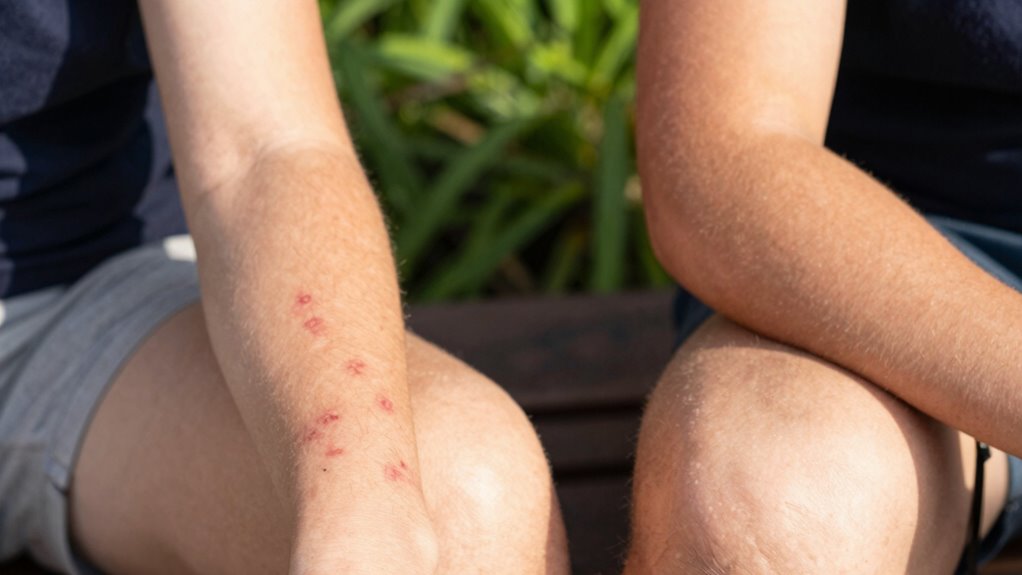
Research shows that your genetic makeup and blood type can influence how attractive you are to mosquitoes. Your blood type, especially type O, tends to attract more mosquitoes than types A, B, or AB. This is because certain blood types emit chemical signals that mosquitoes find appealing. Additionally, genetic factors affect the amount and types of compounds your skin releases, such as lactic acid and ammonia, which mosquitoes use to identify hosts. Some people naturally produce more of these compounds due to their genetics, making them more tempting targets. chemical signals emitted from the skin play a crucial role in mosquito attraction. While environmental factors matter, your blood type and genetic traits play a significant role in mosquito preference, explaining why some individuals are bitten more often than others. Understanding this can help you take better precautions against bites. Moreover, differences in skin microbiota influenced by genetics can alter the production of attractant compounds, amplifying the effect of genetic factors in mosquito preference. Recent studies also suggest that immune responses may influence how mosquitoes detect and prefer certain hosts over others.
What Environmental Factors Make You More Susceptible?
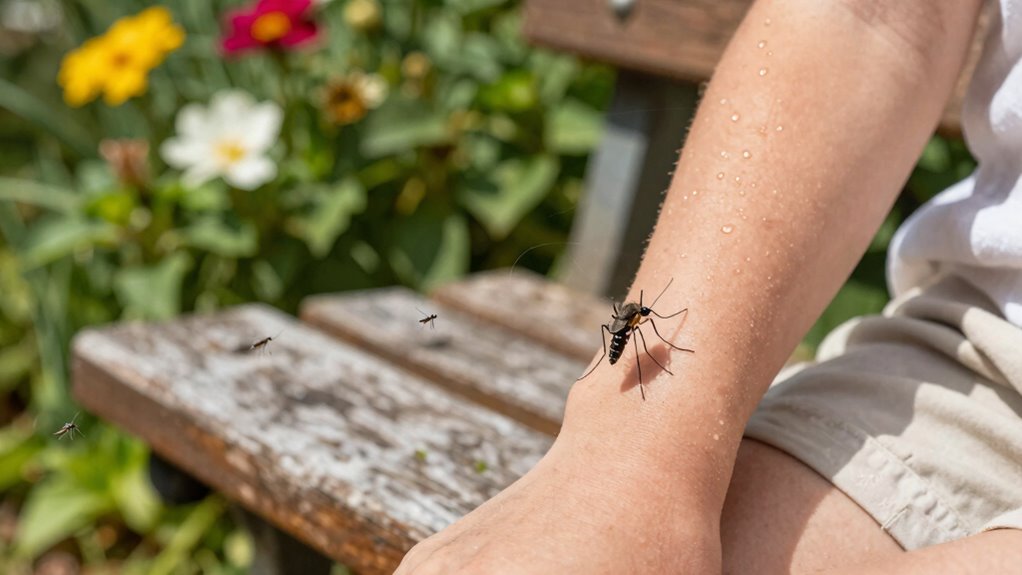
Environmental factors can substantially increase your chances of getting bitten by mosquitoes. Living in an urban landscape often means more stagnant water sources, like clogged gutters, discarded containers, or puddles, which serve as breeding sites. These water sources attract mosquitoes, boosting their population nearby. Areas with poor drainage or frequent rain create ideal conditions for mosquito larvae to thrive. Additionally, shaded spots and dense vegetation provide resting places for adult mosquitoes, making it easier for them to find hosts like you. If you’re in an environment with abundant water sources and poor sanitation, your risk of bites rises considerably. Recognizing these environmental factors helps you understand why some locations are more mosquito-prone and how your surroundings can make you more susceptible. Understanding mosquito habitats allows you to better identify and eliminate breeding sites around your home. Moreover, the presence of standing water in your environment significantly increases mosquito activity, emphasizing the importance of regular cleanup.
How Do Personal Habits and Clothing Affect Mosquito Bites?

Your clothing choices and personal habits can considerably influence how often mosquitoes bite you. Wearing dark or brightly colored clothes may attract more mosquitoes, while lighter shades tend to be less appealing. Good personal hygiene also helps reduce attractants like sweat and body odor that draw these pests in.
Clothing Color Influence
Clothing color plays a significant role in attracting or deterring mosquitoes, as these insects are more drawn to certain hues than others. According to color psychology, lighter colors like white and pastel shades tend to reflect heat and may be less attractive to mosquitoes. Darker colors, such as black and navy, absorb heat and can make you more noticeable to these insects. Your fashion choices can influence your risk of bites, as mosquitoes are attracted to body heat and carbon dioxide, which are often combined with specific clothing colors. Wearing bright or dark clothing can increase your chances of being targeted. To reduce bites, opt for lighter, loose-fitting clothing, and consider the psychological impact of your attire on mosquito attraction.
Personal Hygiene Impact
Personal hygiene habits can considerably influence how often mosquitoes bite you. Poor personal hygiene, like not showering regularly or neglecting to wash your clothes, can increase body odor, making you more attractive to mosquitoes. Conversely, good personal hygiene helps reduce the scent that attracts them. Scent masking products, such as deodorants and body sprays, can temporarily hide natural body odors, decreasing your attractiveness. Wearing clean clothes also minimizes bacteria buildup, which can emit odors that mosquitoes detect. Maintaining dry skin and avoiding strong perfumes further reduce scent signals that draw mosquitoes. Overall, practicing good personal hygiene and using scent masking techniques can notably lower your chances of getting bitten, making you less appealing to these pesky insects.
How Can You Reduce Your Attraction and Avoid Mosquito Bites?
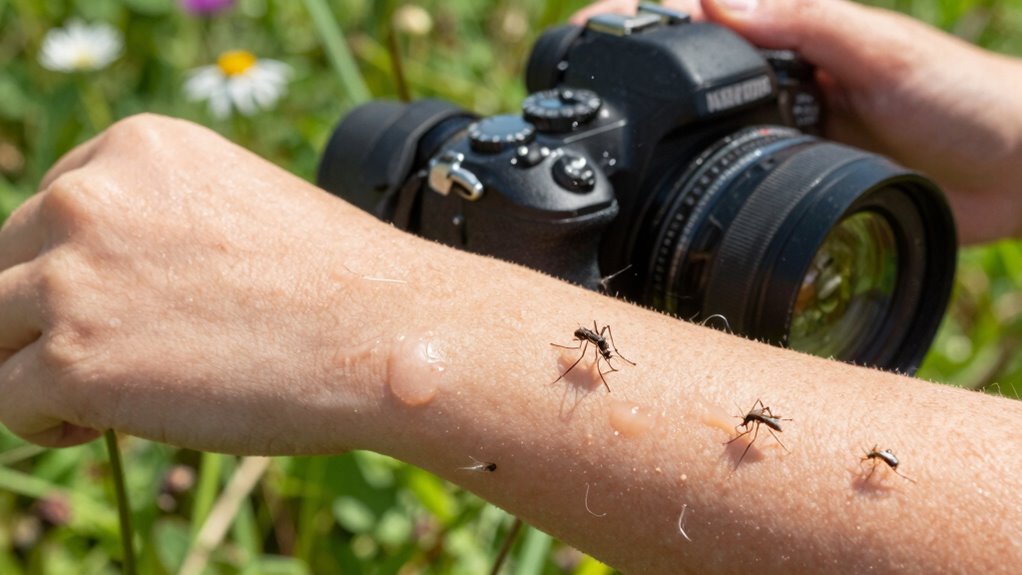
To reduce your attraction to mosquitoes and avoid bites, you need to understand what draws them in the first place. Mosquitoes are attracted to carbon dioxide, body heat, and certain scents, but they also look for breeding habitats nearby. Eliminating standing water around your home reduces mosquito mating opportunities and disrupts breeding habitats. Regularly empty containers, clean gutters, and keep pools chlorinated. Wearing long sleeves and insect repellent can further minimize skin exposure. Avoid scented lotions or perfumes that attract mosquitoes. Staying indoors during peak mosquito activity times also helps. By removing breeding habitats and limiting attractants, you make yourself less appealing, decreasing your chances of being bitten and helping protect yourself from mosquito-borne diseases.
Why Understanding Mosquito Preferences Helps You Stay Bite-Free

Understanding what mosquitoes prefer can considerably improve your chances of avoiding bites. When you know their favorite targets, you can take targeted steps to reduce attraction and prevent mosquito breeding around you. For example, eliminating standing water minimizes breeding sites, cutting down mosquito populations and disease transmission risks. Recognizing factors like body heat, carbon dioxide, and sweat helps you understand why some people get bitten more. Here’s a quick comparison:
| High Attraction Factors | Lower Attraction Factors |
|---|---|
| Lactic acid from sweat | Wearing long sleeves |
| Elevated body temperature | Using insect repellent |
| Carbon dioxide emission | Staying indoors during peak hours |
| Certain blood types | Avoiding dark clothing |
Knowing these details empowers you to modify your environment and behavior, making it easier to stay bite-free.
Frequently Asked Questions
Do Certain Medications Increase Mosquito Attraction?
Certain medications can increase mosquito attraction due to their side effects, which may alter your scent. These changes can make you more appealing to mosquitoes, as they detect chemical cues more easily. If you’re taking medication, be aware that scent alterations from side effects might draw more insects. To reduce bites, consider using repellents and wearing protective clothing, especially if you notice increased mosquito activity around you.
Can Mosquito Preferences Change Over Time?
Yes, your mosquito attraction can change over time. As your body chemistry and chemical cues evolve due to factors like diet, health, or environment, mosquitoes may find you more or less appealing. You might notice increased mosquito attraction during certain seasons or after specific activities. Staying aware of these changes helps you understand how chemical cues influence mosquito behavior, so you can better protect yourself from bites.
Are Children More Attractive to Mosquitoes Than Adults?
You might notice mosquitoes prefer children more, and research shows they’re about twice as attractive as adults. This is because children’s scent and skin temperature often emit stronger signals, making them more noticeable. Their higher skin temperature and unique scent profile draw mosquitoes in more readily. So, if you’re around children, you’ll likely experience more bites, thanks to these factors that make kids more appealing to these pests.
How Does Humidity Influence Mosquito Biting Behavior?
Mosquito humidity substantially influences your chances of getting bitten. Higher humidity levels increase mosquito activity because they enhance moisture attraction, making you more noticeable to them. When the air is moist, mosquitoes are more likely to bite, as they rely on humidity to locate hosts. So, during humid days, you should take extra precautions, like wearing long sleeves and using repellents, to reduce your risk of bites.
Do Outdoor Lighting Choices Affect Mosquito Activity?
Your outdoor lighting choices considerably influence mosquito activity. Using certain garden lighting, like yellow or amber bulbs, can reduce their attraction since mosquitoes are less drawn to these colors. Incorporate smart landscape design by minimizing standing water and choosing lighting that doesn’t emit strong UV or blue light. This way, you create a less inviting environment, helping you enjoy your outdoor space without pesky mosquito bites.
Conclusion
Knowing why mosquitoes prefer some people over others is like holding a secret map to avoiding bites. By understanding the clues your body gives off—your scent, heat, and habits—you can outsmart these pesky intruders. Think of it as turning the tide in your favor, transforming from their favorite target to someone they overlook. With this knowledge, you’re equipped to stay bite-free, reclaiming your skin as a fortress rather than a feast.