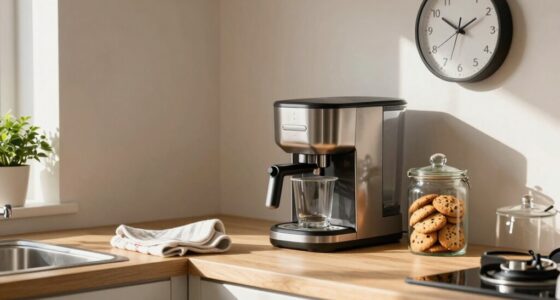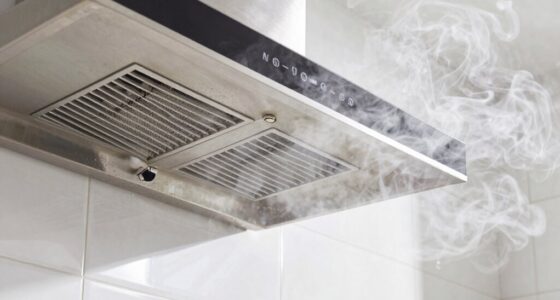

Your house gets dusty so fast because airborne particles from fibers, dirt, pollen, and pet dander constantly enter and settle inside. Activities like walking, opening windows, and using appliances stir up dust, while HVAC systems spread it throughout your home. Poor ventilation, high humidity, clutter, and irregular cleaning make dust buildup worse. To keep your home cleaner longer, implement simple strategies—discover more tips that can really make a difference.

Prime made for students and young adults
- Fast, free delivery for dorm and study essentials
- Prime Video and Amazon Music included
- Member-only deals
Key Takeaways
- Airborne particles from fibers, dirt, pollen, and pet dander constantly settle, causing rapid dust buildup.
- HVAC systems and air vents circulate dust, spreading it quickly throughout the home.
- High humidity and clutter trap more dust, accelerating accumulation on surfaces.
- Infrequent cleaning and neglecting air filtration allow dust to settle and re-enter the air.
- Regular use of HEPA vacuum cleaners, air purifiers, and damp dusting significantly reduce dust accumulation.
As an affiliate, we earn on qualifying purchases.
Why Does Dust Build Up So Quickly in Your Home?
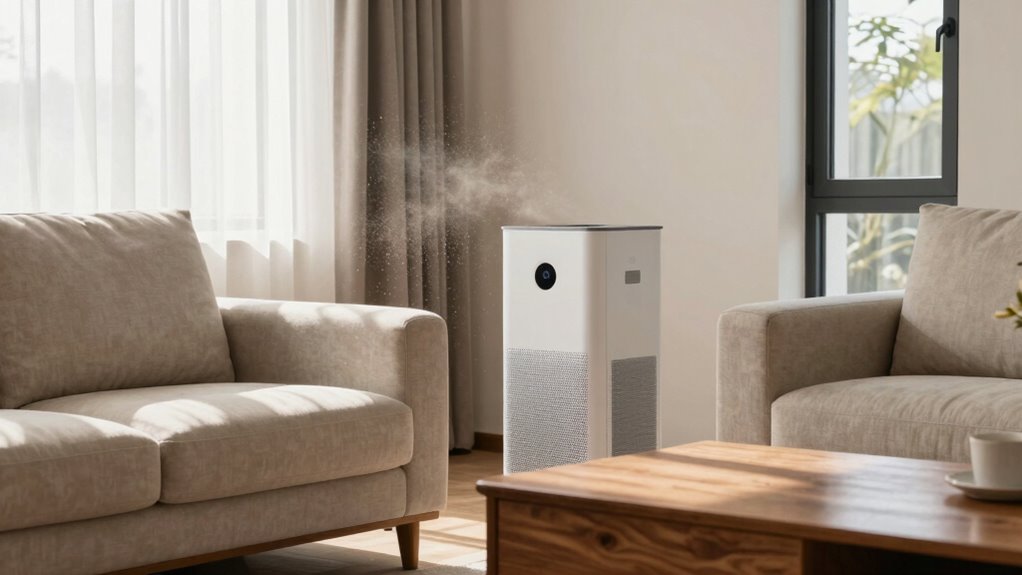
Dust tends to build up quickly in your home because everyday activities and environmental factors constantly introduce particles into the air. Airborne particles come from numerous dust sources, such as fabric fibers, dirt tracked in from outside, pet dander, and pollen. These particles settle on surfaces, making your space look dusty in no time. Even simple actions like walking, opening windows, or using appliances release or stir up dust, increasing the amount that settles indoors. HVAC systems and air vents also circulate airborne particles, spreading dust throughout your home. Because dust sources are ongoing and persistent, regular cleaning becomes essential to keep dust levels manageable. Understanding where dust originates helps you take targeted steps to reduce its rapid accumulation. Additionally, air circulation from your heating and cooling systems can keep dust suspended longer, making it harder for it to settle quickly. Proper air filtration can significantly reduce the amount of dust circulating in your home environment. Incorporating connected smart air purifiers can further enhance dust control by continuously monitoring and adjusting filtration levels based on real-time air quality data. Implementing regular maintenance of HVAC filters also helps prevent dust buildup in your home’s ventilation system.
As an affiliate, we earn on qualifying purchases.
Household Habits and Environmental Factors That Speed Up Dust Accumulation
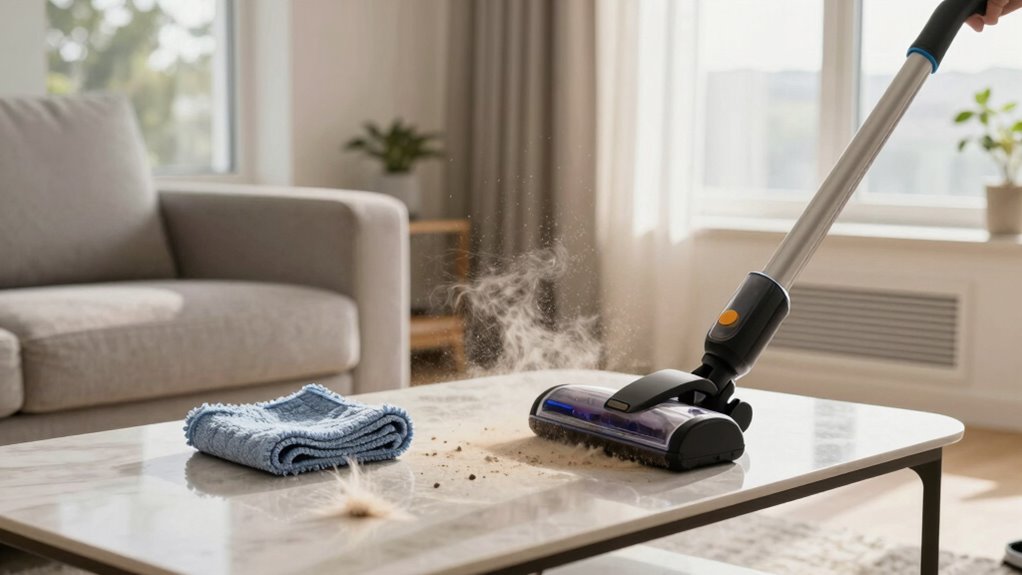
Certain household habits and environmental factors can considerably accelerate dust buildup in your home. For example, keeping humidity levels high creates an ideal environment for airborne allergens to thrive, increasing dust accumulation. Frequent opening of windows without proper filters lets in more dust, pollen, and debris from outside. Using unsealed or old air conditioning and heating systems can circulate dust and airborne allergens, spreading them throughout your space. Cluttered spaces trap more dust, making it harder to keep surfaces clean. Additionally, neglecting regular vacuuming and dusting allows dust and airborne allergens to settle and build up quickly. Maintaining proper HVAC system maintenance can help reduce dust circulation and improve indoor air quality. Proper air filtration methods, such as HEPA filters, are also essential in trapping airborne particles before they settle on surfaces. Regularly inspecting and replacing air filtration systems ensures that these filters perform optimally to capture dust and allergens. Ensuring that your HVAC system filters are regularly replaced and maintained can significantly reduce dust and improve overall air quality. These habits and conditions not only speed up dust accumulation but also worsen indoor air quality, making your home feel dusty and less comfortable.
As an affiliate, we earn on qualifying purchases.
Easy Tips to Keep Dust Under Control and Your Home Cleaner
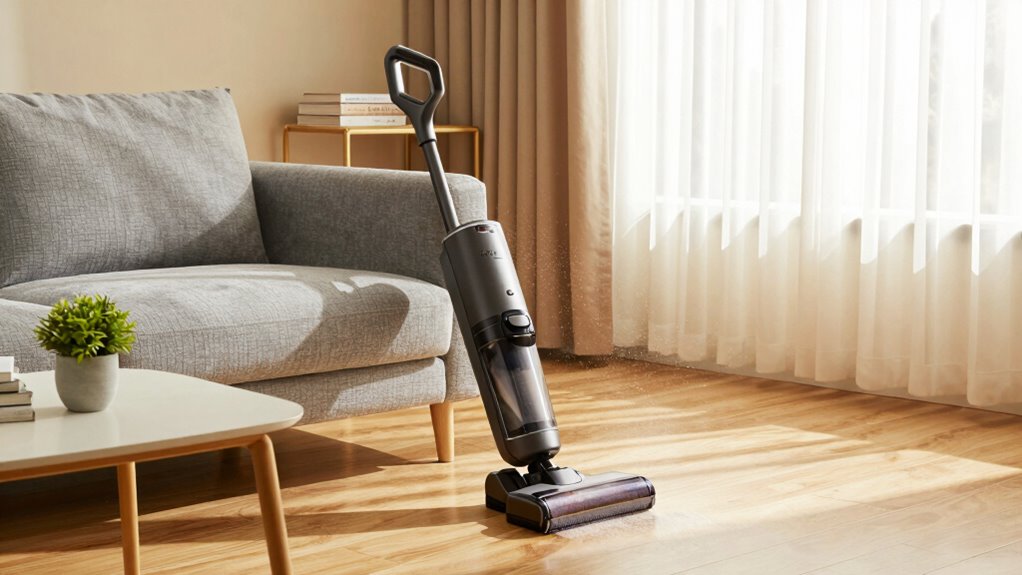
Keeping dust under control starts with simple, consistent habits that prevent it from settling and accumulating quickly. Regular vacuuming with a HEPA filter, dusting with damp cloths, and minimizing clutter help reduce dust buildup. Using an air purifier benefits your home by capturing airborne particles before they settle. Additionally, dust trapping plants like spider plants and Boston ferns naturally filter indoor air and add greenery. To keep you engaged, here’s a quick comparison:
| Tip | Why it works |
|---|---|
| Air purifier benefits | Removes airborne dust particles |
| Dust trapping plants | Naturally filters air |
| Regular dusting | Prevents dust accumulation |
| Minimize clutter | Less surface for dust to settle |
Implementing these cleaning habits can make your home cleaner and dust-free more easily. Incorporating air quality improvement strategies enhances overall dust control and creates a healthier living environment. Regularly monitoring indoor air quality can also help you identify sources of dust and pollutants, allowing for more targeted actions. Being aware of indoor environmental factors can further assist in maintaining a dust-resistant home, especially when considering ventilation practices to reduce indoor pollutants.
As an affiliate, we earn on qualifying purchases.
How to Maintain a Dust-Free Home Over the Long Run
Maintaining a dust-free home over the long run requires consistent effort and smart habits. Using air purifiers helps trap airborne dust particles before they settle, reducing overall buildup. Keep air humidity levels between 40-50%, as too low or high humidity can increase dust and mold growth. Regularly change air purifier filters to ensure peak performance. Make it a routine to dust surfaces with a damp cloth, which captures dust rather than dispersing it into the air. Ventilate your home daily to reduce indoor pollutants and moisture. Avoid clutter that traps dust and clean or replace HVAC filters frequently. Proper tool maintenance and ensuring your equipment operates efficiently can also prevent dust from becoming airborne during projects. Additionally, maintaining filtration systems properly ensures that airborne particles are effectively captured before they circulate. Incorporating air quality monitors can help you keep track of indoor pollution levels and adjust your habits accordingly. Regularly inspecting and replacing vacuum filters can enhance dust removal effectiveness and prevent the circulation of dust particles. Consistently managing air circulation by opening windows or using exhaust fans helps reduce dust buildup and improve overall air quality. These habits, combined with proper air humidity management and air purifiers, create an environment less conducive to dust accumulation over time.
Frequently Asked Questions About Reducing Dust in Your Home
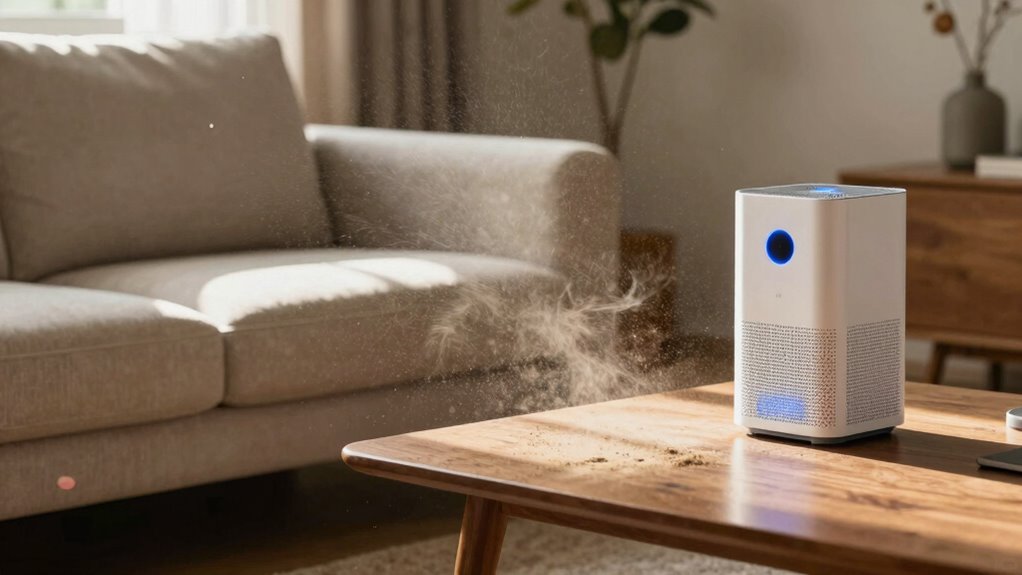
If you’re looking to reduce dust in your home, you’re likely asking which methods are most effective and how to implement them consistently. Using air purifiers can markedly cut down airborne dust and allergens, including dust mites. Choose models with HEPA filters, as they trap tiny particles that contribute to dust buildup. Regularly washing bedding, curtains, and plush toys helps eliminate dust mites, which are a major source of dust in many homes. Vacuuming frequently with a HEPA filter vacuum reduces settled dust on floors and furniture. Keep humidity levels low, around 30-50%, since dust mites thrive in humid environments. Incorporating air purifier maintenance can also help improve overall air quality. Proper airflow around your purifier ensures optimal performance and dust removal efficiency. Additionally, maintaining good home ventilation helps disperse dust and prevents accumulation. By combining these strategies, you’ll create a cleaner, healthier living space with less dust and fewer allergy triggers.
Frequently Asked Questions
Can Indoor Plants Help Reduce Dust Levels Effectively?
Indoor plants can help reduce dust levels effectively by absorbing dust particles through their leaves and roots. Certain plant species, like snake plants and pothos, are particularly good at improving air quality and dust absorption. By adding indoor plants, you create a natural filter that clears the air, making your home cleaner and healthier. Just make sure to regularly care for your plants to maximize their dust-reducing benefits.
Do Air Purifiers Significantly Impact Dust Accumulation?
Think of an air purifier as a vigilant sentinel, actively chasing dust particles from your home. Yes, air purifier effectiveness is notable, especially when it uses advanced dust filtration technology. It captures airborne dust, reducing its buildup on surfaces. While it won’t eliminate dust completely, it considerably slows accumulation, keeping your environment cleaner and healthier. So, investing in a quality air purifier can make dust less of a relentless enemy.
How Does Pet Dander Influence Dust Buildup?
Pet dander markedly influences dust buildup because it’s a common allergy trigger that easily combines with dust particles. When your pets shed, dander circulates in the air and settles on surfaces, increasing dust accumulation. Regular cleaning helps, but using HEPA filters and grooming your pets can reduce pet dander levels. This, in turn, minimizes allergy triggers and keeps your home cleaner longer.
Are Certain Cleaning Products Better for Dust Control?
Ever wonder if some cleaning products work better for dust control? Yes, they do! Using dust-specific cleaning products and following a consistent cleaning schedule markedly reduces dust buildup. Consider applying dust-resistant paints in high-traffic areas; they help repel dust and make cleaning easier. Opt for microfiber cloths and gentle, non-abrasive cleaners to trap dust effectively. Regularly updating your cleaning routine keeps your home fresher and dust-free longer.
Does Opening Windows Worsen Indoor Dust Issues?
Opening windows can worsen indoor dust issues if ventilation effects lead to more dust entering your home. If your windows aren’t well-sealed, outdoor dust, pollen, and debris can blow inside, making dust buildup faster. To minimize this, guarantee window sealing is tight and consider using window screens. Proper ventilation helps, but only if it doesn’t compromise your home’s dust control efforts. Keep windows closed during high dust days for better results.
Conclusion
So, now you know why dust loves your house and how sneaky habits speed it up. Just remember, fighting dust is an ongoing battle—like brushing your teeth or avoiding that third slice of cake. Stick to these tips, stay vigilant, and embrace the dust-busting routine. After all, a dust-free home isn’t just a dream; it’s a never-ending quest. Happy cleaning—may the dust be ever in your favor!
Halloween Picks
halloween
As an affiliate, we earn on qualifying purchases.