TL;DR

Prime made for students and young adults
- Fast, free delivery for dorm and study essentials
- Prime Video and Amazon Music included
- Member-only deals
A National Academies report published in 2024 says long-term zinc creep in cable sockets was the root cause of the Arecibo telescope’s 2020 collapse. It says visible, progressive cable pullouts after Hurricane Maria called for remedial action, while a possible role for electromagnetic waves in accelerating the creep remains a hypothesis.
A 2024 National Academies report identifies long-term zinc creep in cable sockets as the root cause of the Arecibo Observatory telescope’s 2020 collapse, which destroyed the suspended platform and damaged the reflector below. The finding matters beyond the Puerto Rico facility because the report says it was the first documented long-term zinc-induced creep failure of this kind, despite more than a century of use of zinc-filled sockets.
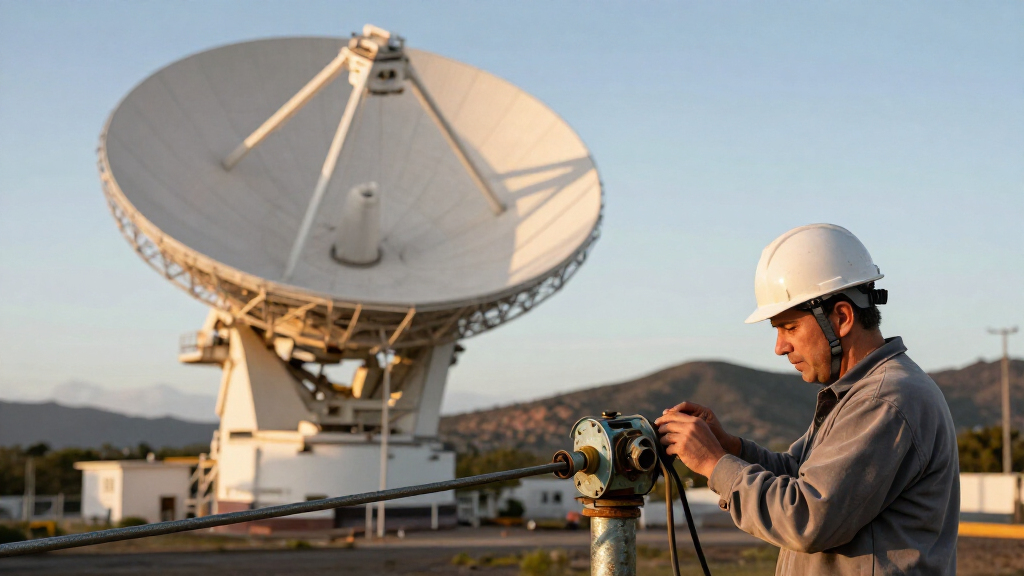
The telescope’s main platform hung above a 305-meter reflector dish, supported by cables whose ends were secured in sockets filled with zinc. The report says the zinc gradually lost its hold on the cables, allowing several to pull out. The platform then fell into the reflector. The National Academies’ committee reached its conclusion after reviewing forensic investigations commissioned by the University of Central Florida and the National Science Foundation, along with engineering records, inspection material, photographs, repair proposals, research and information from observatory employees.
The report traces the failure sequence to Hurricane Maria, more than three years before the collapse. It says inspections after the storm showed large and progressive cable pullouts, although signs before the hurricane had been minimal. According to the committee, that deterioration should have prompted remedial action. Safety-factor calculations made after an earlier cable failure did not account for the accelerated, time-dependent materials failure process that ultimately governed the zinc pullout.
The study also discusses one possible explanation for why the creep accelerated: long-term low-current electroplasticity caused by electromagnetic waves from the telescope itself. The report presents this as a hypothesis, not an established cause. It recommends that the NSF make remaining cable and socket sections available for research, and it calls for stronger maintenance and monitoring provisions for specialized scientific facilities.
Lessons for Aging Science Facilities
The finding highlights a risk for custom-designed research infrastructure: familiar materials and long histories of use do not rule out an unexpected failure mode. The committee says prior designs and experience may not reliably predict how unique facilities will deteriorate, particularly as they age. A safety calculation based on conventional assumptions can miss a materials process that changes over time.
For facility operators and funders, the report’s practical message is to act on evidence of progressive deterioration and provide explicit resources for ongoing condition monitoring and maintenance. It also recommends operations and maintenance manuals, inspection regimes and independent audits. These measures cannot prevent every failure, but the report says careful monitoring can help detect damage and novel risks before they become catastrophic.
Arecibo’s collapse also ended the operation of a major scientific instrument supported by the NSF for its National Astronomy and Ionosphere Center. The report’s conclusions therefore address both the loss of a specific telescope and the wider challenge of sustaining facilities whose structures, components and operating conditions may not have direct precedents.
Popular right now

Apple AirPods Pro 3 Wireless Earbuds with Active Noise Cancellation

Philips 2200 Series Fully Automatic Espresso Machine with Classic Milk Frother

Samsung 75-Inch M80H Series Mini LED 4K Smart TV (2026)
As an affiliate, we earn on qualifying purchases.
From Hurricane Damage to Collapse
The Arecibo telescope in Puerto Rico used a suspended platform above a 305-meter reflector. Its supporting cables were anchored with zinc-filled spelter sockets, a type of connection used for more than a century. The report’s account distinguishes the long service history of the socket design from the particular failure documented at Arecibo: the committee called this the first documented case of long-term zinc-induced creep failure despite that history.
After Hurricane Maria, inspectors observed substantial, progressive cable pullouts, the report says. The telescope ultimately collapsed in 2020. The National Academies’ consensus study, titled Failure Analysis of the Arecibo Observatory 305-Meter Telescope Collapse, was released in 2024. Its conclusions draw on prior forensic work and a review of technical evidence; they are not a contemporaneous announcement of a new collapse or a new failure at another facility.
The Proposed Acceleration Mechanism
The report identifies long-term zinc creep as the root cause, but it does not establish why the process accelerated. The proposed role of low-current electroplasticity from the telescope’s electromagnetic waves remains a possibility, not a confirmed finding. The committee recommended further study of the remaining socket and cable sections; the source material does not say whether that research has since been completed or what it found.
The available account also does not provide detailed measurements of the zinc’s deterioration or specify the exact timing and extent of each cable’s pullout. It reports that post-hurricane inspections documented large, progressive pullouts and that remedial action should have followed, but does not detail what interventions would have been sufficient to prevent the collapse.
Study Remaining Cable Evidence
The report recommends that the NSF offer the remaining cable and socket sections to the research community for examination. Further study could test the proposed electroplasticity explanation and clarify how zinc creep developed, though the report does not set a timetable or identify a specific research program.
For operators and funders of other specialized facilities, the committee’s recommendations point to sustained inspections, detailed maintenance planning and independent review as ongoing priorities. The source material does not announce a further Arecibo investigation or a new NSF deadline; the next clear step it identifies is making the surviving components available for study.
Key Questions
What caused the Arecibo telescope to collapse?
The National Academies’ report says long-term zinc creep in the cable sockets weakened the connection between the cables and their sockets, allowing several cables to pull out and the platform to fall.
What role did Hurricane Maria play?
The report says the failure sequence began after Hurricane Maria. Visual inspections following the storm showed large and progressive cable pullouts, which the committee says should have prompted remedial action.
Did electromagnetic waves cause the zinc to creep?
The report raises low-current electroplasticity induced by the telescope’s electromagnetic waves as a possible factor in accelerating the creep. It does not establish that mechanism as fact.
What did the National Academies recommend?
The report recommends making remaining cable and socket pieces available for study and calls for better facility maintenance and monitoring, including inspection regimes, operations manuals and independent audits.
Source: maketecheasier.com