For an all-around introduction, I’d start with Universe, Third Edition, while NightWatch is a stronger fit for readers who want practical help observing the sky. National Geographic Backyard Guide to the Night Sky stands out for learning to identify what’s visible from home. The main choice is between books that explain astronomy concepts, guides that help you find objects outdoors, and activity-led books for children or hands-on learners. A book that covers all three may be less useful than one matched to your interests and experience. Read on for my full comparison of 15 astronomy books for beginners and the tradeoffs behind each pick.

Get school and study supplies delivered free — and shop member deals
- Fast, free delivery on millions of items
- Access to Prime Big Deal Days deals on October 6–7
- Prime Video, Amazon Music and more included
Key Takeaways
- Universe, Third Edition is the broadest starting point in this lineup, while practical observing guides are more useful when the goal is to spend time under the night sky.
- NightWatch and The Backyard Astronomer’s Guide focus more on observing practice and equipment choices than illustrated overviews do.
- 100 Things to See in the Night Sky and the telescope-object lists favor clear, achievable targets over a textbook-style course in astronomy.
- Children’s titles serve different needs: activity books encourage hands-on learning, while telescope lists give young observers specific objects to seek.
- The four-book collection and other broad guides trade some focus for range; readers who already know their main interest may learn more from a targeted book.
| Universe, Third Edition |  | Best for Building a Strong Astronomy Foundation | Edition: Third Edition | Subject: Astronomy and cosmology | Coverage: Fundamental concepts in astronomy and cosmology | VIEW LATEST PRICE | See Our Full Breakdown |
| National Geographic Backyard Guide to the Night Sky, 2nd Edition |  | Best for Backyard Stargazing | Edition: 2nd Edition | Subject: Night-sky observation | Intended audience: Beginners and stargazing enthusiasts | VIEW LATEST PRICE | See Our Full Breakdown |
| The Astronomy Book (DK Big Ideas) |  | Best Visual Introduction | Series: DK Big Ideas | Subject: Astronomy | Coverage: History, science, and discoveries | VIEW LATEST PRICE | See Our Full Breakdown |
| Stargazing: Beginner’s Guide to Astronomy |  | Best First Step for New Stargazers | Subject: Astronomy and stargazing | Intended audience: Beginners | Coverage: Basic astronomy concepts | VIEW LATEST PRICE | See Our Full Breakdown |
| Astronomy Activity Book for Kids: 100+ Fun Ways to Learn About Space and Stargazing |  | Best for Hands-On Learning with Kids | Subject: Space, stars, and astronomy | Format: Activity book | Activity count: 100+ activities | VIEW LATEST PRICE | See Our Full Breakdown |
| Astronomy for Beginners: An Introduction to Space, Cosmos, Galaxies, and Celestial Bodies |  | Best for a First Conceptual Overview | Format: Book | Audience: Beginners | Primary focus: Introduction to astronomy | VIEW LATEST PRICE | See Our Full Breakdown |
| 110 Night Sky Treasures to See with a Telescope: A Fun Stargazing Book for Kids and Astronomy Beginners |  | Best for Young First-Time Observers | Format: Book | Audience: Children and astronomy beginners | Observing targets: 110 | VIEW LATEST PRICE | See Our Full Breakdown |
| Beginner’s Guides of Astronomy 4-Book Collection Box Set (Stargazing, Moongazing, Northern Lights & Observing Our Solar System) |  | Best for Topic Variety | Format: Four-book collection box set | Audience: Beginners and astronomy enthusiasts | Number of books: 4 | VIEW LATEST PRICE | See Our Full Breakdown |
| NightWatch: A Practical Guide to Viewing the Universe |  | Best for Practical Stargazing | Format: Book | Audience: Beginners and experienced stargazers | Primary focus: Practical viewing of the universe | VIEW LATEST PRICE | See Our Full Breakdown |
| 110 Things to See with a Telescope: The World’s Most Famous Stargazing List |  | Best for a Guided Telescope Checklist | Format: Book | Audience: Amateur astronomers and stargazing beginners | Listed targets: 110 | VIEW LATEST PRICE | See Our Full Breakdown |
| The Backyard Astronomer’s Guide | 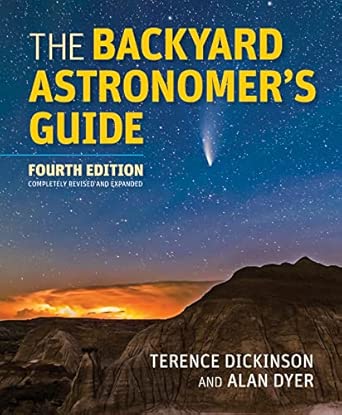 | Best for Practical Stargazing | Format: Book | Subject: Amateur astronomy | Coverage: Stargazing | VIEW LATEST PRICE | See Our Full Breakdown |
| Astronomy For Dummies: Book + Chapter Quizzes Online |  | Best for Structured Self-Checks | Format: Book with online chapter quizzes | Subject: Astronomy | Coverage: Fundamental astronomy concepts | VIEW LATEST PRICE | See Our Full Breakdown |
| Astronomy: A Self-Teaching Guide, Eighth Edition | 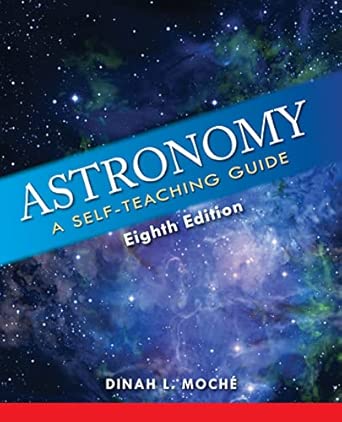 | Best for Independent Study | Format: Book | Edition: Eighth Edition | Subject: Astronomy | VIEW LATEST PRICE | See Our Full Breakdown |
| 50 Things To See With A Telescope – Kids: A Constellation Focused Approach |  | Best for Young Telescope Explorers | Format: Book | Intended audience: Children | Observing method: Telescope viewing | VIEW LATEST PRICE | See Our Full Breakdown |
| 100 Things to See in the Night Sky, Expanded Edition: Your Illustrated Guide to the Planets, Satellites, Constellations, and More | 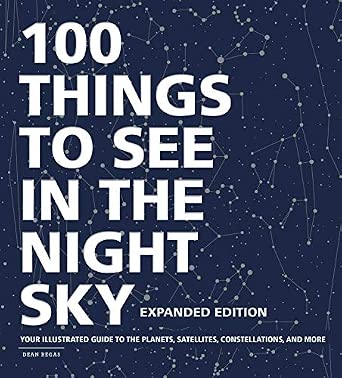 | Best Illustrated Object Guide | Format: Illustrated guide | Edition: Expanded Edition | Subject: Night-sky objects | VIEW LATEST PRICE | See Our Full Breakdown |
| astronomy books for beginner | Format | Subject | Intended audience | Coverage |
|---|---|---|---|---|
| Universe | — | Astronomy and cosmology | Students and enthusiasts | Fundamental concepts in astronomy and cosmology |
| National Geographic Backyard G | — | Night-sky observation | Beginners and stargazing enthusiasts | — |
| The Astronomy Book | — | Astronomy | Beginners and enthusiasts | History, science, and discoveries |
| Stargazing: Beginner’s Guide t | — | Astronomy and stargazing | Beginners | Basic astronomy concepts |
| Astronomy Activity Book for Ki | Activity book | Space, stars, and astronomy | Children | — |
| Astronomy for Beginners: An In | Book | — | — | — |
| 110 Night Sky Treasures to See | Book | — | — | — |
| Beginner’s Guides of Astronomy | Four-book collection box set | — | — | — |
| NightWatch: A Practical Guide | Book | — | — | Stargazing and celestial objects |
| 110 Things to See with a Teles | Book | — | — | — |
| The Backyard Astronomer’s Guid | Book | Amateur astronomy | — | Stargazing |
| Astronomy For Dummies: Book + | Book with online chapter quizzes | Astronomy | Beginners | Fundamental astronomy concepts |
| Astronomy: A Self-Teaching Gui | Book | Astronomy | Beginners and enthusiasts | Fundamental concepts |
| 50 Things To See With A Telesc | Book | — | Children | — |
| 100 Things to See in the Night | Illustrated guide | Night-sky objects | Beginners and amateur astronomers | Planets, satellites, constellations, and more |
More Details on Our Top Picks
Universe, Third Edition
Universe, Third Edition suits beginners who want to understand the science behind what they see, rather than focus only on finding objects in the sky. Its broad coverage of astronomy and cosmology gives readers a more substantial learning path than Stargazing: Beginner’s Guide to Astronomy, which emphasizes introductory observing tips. Clear explanations and illustrations help make complex ideas more approachable, but the book’s scope can still feel demanding if you want a casual, quick read. It also lacks the hands-on observing emphasis of National Geographic Backyard Guide to the Night Sky, so readers hoping to identify constellations on their next evening outside may prefer that guide. Choose this edition for a structured introduction to how the universe works, with the tradeoff that some material may feel technical and there are no additional multimedia resources.
Pros:- Covers a wide range of fundamental astronomy and cosmology topics
- Clear explanations support readers new to the subject
- Illustrations help make abstract concepts easier to follow
Cons:- Some material may feel technical to casual readers
- Does not include additional multimedia resources
Best for: Curious adult beginners and students who want a broad, science-focused introduction to astronomy and cosmology.
Not ideal for: Casual stargazers who mainly want quick constellation charts or practical instructions for observing from home.
- Edition:Third Edition
- Subject:Astronomy and cosmology
- Coverage:Fundamental concepts in astronomy and cosmology
- Intended audience:Students and enthusiasts
- Learning aids:Illustrations
- Multimedia resources:No additional multimedia resources listed
Our verdict“Choose this edition if you want a broad science foundation; pick National Geographic Backyard Guide to the Night Sky if practical sky identification matters more.”
National Geographic Backyard Guide to the Night Sky, 2nd Edition
For a beginner who wants to step outside and start recognizing what is overhead, National Geographic Backyard Guide to the Night Sky, 2nd Edition is the most directly practical choice in this group. Its beginner-focused charts and observing tips make constellations, planets, and celestial events easier to approach than they are in the broader, more science-centered Universe, Third Edition. That focus is also its limit: readers looking for deeper explanations of astronomical theory will find less here. Unlike Stargazing: Beginner’s Guide to Astronomy, this guide is specifically described as including detailed charts, making it a better fit when visual sky references are the priority. It supports backyard observing, but it does not supply a telescope or accessories, so buyers will need to bring their own equipment—or observe without it.
Pros:- Detailed sky charts give beginners a practical visual reference
- Accessible explanations reduce the learning curve
- Tips are aimed at observing from a backyard
- Covers constellations, planets, and celestial events
Cons:- Offers limited advanced astronomical detail
- Does not include a telescope or other observing accessories
Best for: First-time backyard observers who want approachable charts and guidance for spotting constellations, planets, and celestial events.
Not ideal for: Readers seeking detailed astronomy theory or a guide that comes with observing equipment.
- Edition:2nd Edition
- Subject:Night-sky observation
- Intended audience:Beginners and stargazing enthusiasts
- Sky references:Detailed charts
- Topics:Constellations, planets, and celestial events
- Observing setting:Backyard
- Equipment included:No telescope or accessories listed
Our verdict“Pick this guide for chart-led backyard observing; choose Universe, Third Edition for broader explanations of astronomy and cosmology.”
The Astronomy Book (DK Big Ideas)
The Astronomy Book (DK Big Ideas) is a good fit for beginners who learn best from diagrams and want a sweeping, accessible overview rather than a technical course. Its illustrations and diagrams give it a more visually led approach than Universe, Third Edition, which is positioned for readers willing to take on more detailed astronomy and cosmology. The book also brings together the history, science, and discoveries of astronomy, so it can help readers connect major ideas without requiring a narrow focus on observing. That breadth comes at a cost: it does not offer the detailed technical treatment or backyard charting found in other choices such as National Geographic Backyard Guide to the Night Sky, 2nd Edition. It is best used as an engaging introduction, not as a field guide or a source of supplementary activities.
Pros:- Illustrations and diagrams make ideas easier to grasp visually
- Introduces astronomy through history, science, and discoveries
- Broad overview works for beginners and enthusiasts
Cons:- Does not provide detailed technical information
- No supplementary materials are listed
- Less suited to hands-on sky identification than a dedicated observing guide
Best for: Visual learners who want an illustrated overview of astronomy’s history, core science, and discoveries.
Not ideal for: Beginners who need detailed technical instruction, practical sky charts, or supplementary learning materials.
- Series:DK Big Ideas
- Subject:Astronomy
- Coverage:History, science, and discoveries
- Intended audience:Beginners and enthusiasts
- Visual features:Illustrations and diagrams
- Technical detail:Limited
- Supplementary materials:None listed
Our verdict“Choose this for a visual, wide-ranging introduction; select National Geographic Backyard Guide to the Night Sky for practical observing charts.”
Stargazing: Beginner’s Guide to Astronomy
Stargazing: Beginner’s Guide to Astronomy keeps the entry point simple: it introduces basic concepts, tools, and practical tips for getting started outdoors. That makes it a natural fit for someone who feels unsure where to begin, while Universe, Third Edition is better suited to readers ready for a broader and more technical account of the cosmos. Compared with National Geographic Backyard Guide to the Night Sky, 2nd Edition, this title is described as an introductory overview with stargazing advice, whereas the National Geographic guide has a clearer chart-led role. The tradeoff is that this book does not offer advanced content, and the available description does not specify detailed charts or equipment. It can help establish a starting routine, but it is not a substitute for a specialized sky atlas or a telescope.
Pros:- Designed specifically as an introductory astronomy guide
- Combines basic concepts with practical stargazing tips
- Introduces tools beginners may encounter while observing
Cons:- Does not provide advanced astronomy content
- No equipment or accessories are included
- The supplied description does not specify detailed sky charts
Best for: Complete beginners who want a straightforward introduction to astronomy, basic observing tools, and first stargazing steps.
Not ideal for: Readers who already know the basics or need detailed constellation charts and advanced astronomy coverage.
- Subject:Astronomy and stargazing
- Intended audience:Beginners
- Coverage:Basic astronomy concepts
- Practical guidance:Tips for starting stargazing
- Tools coverage:Introduces basic observing tools
- Advanced content:Not included
- Equipment included:No equipment or accessories listed
Our verdict“Start here for a simple introduction to stargazing, but choose the National Geographic guide if detailed sky charts are your main need.”
Astronomy Activity Book for Kids: 100+ Fun Ways to Learn About Space and Stargazing
Astronomy Activity Book for Kids takes a different route from the other picks: instead of leading with explanations or sky charts, it offers 100+ activities designed to make learning about space and stargazing interactive for children. That gives it a clearer family-learning role than The Astronomy Book (DK Big Ideas), whose appeal rests on illustrated explanations and a broad overview. The activity format may help young readers engage with astronomy concepts by doing, but the available description gives little detail about the specific activities and does not identify an age range. Adults also should not treat it as a replacement for a beginner’s observing guide such as National Geographic Backyard Guide to the Night Sky, 2nd Edition; its stated strength is activities, not detailed sky charts. Choose it for curiosity-led learning, with some uncertainty about age fit and activity depth.
Pros:- Offers more than 100 activities centered on space and stargazing
- Interactive format encourages children to engage with astronomy concepts
- Designed to support curiosity about the universe
Cons:- The available description does not detail the activities
- No age range is specified, making it harder to judge suitability
- Not presented as a detailed astronomy text or sky-chart guide
Best for: Families and educators seeking an activity-led introduction to space and stargazing for children.
Not ideal for: Adult beginners who want a structured astronomy text, detailed sky charts, or a clearly specified age-level guide.
- Subject:Space, stars, and astronomy
- Format:Activity book
- Activity count:100+ activities
- Intended audience:Children
- Learning approach:Interactive activities
- Stargazing content:Activities related to stargazing
- Age range:Not specified
Our verdict“Choose this for activity-based astronomy learning with kids; pick The Astronomy Book for a more explanatory, illustrated overview.”
Astronomy for Beginners: An Introduction to Space, Cosmos, Galaxies, and Celestial Bodies
I’d pick this as a straightforward starting point for readers who want a broad introduction before choosing a more specialized astronomy book. Its focus on space, galaxies, and celestial bodies gives newcomers a way to meet the main ideas without first learning technical vocabulary. Compared with NightWatch: A Practical Guide to Viewing the Universe, this is better suited to learning what astronomy covers than to planning observing sessions or using a telescope. That simplicity is also its main tradeoff: readers seeking detailed explanations, observing instructions, or visual aids may find it thin. The supplied description lists no diagrams, so it may not suit learners who depend on illustrations to make unfamiliar objects easier to grasp. I see it as an accessible first read, not a reference for building deeper or practical skills.
Pros:- Uses beginner-friendly explanations to introduce core astronomy topics
- Covers space, galaxies, and celestial bodies in one introductory guide
- Provides a broad starting point for readers new to the subject
Cons:- The description indicates limited technical depth for readers ready to study astronomy in detail
- No images or diagrams are listed to support visual learning
- Offers less practical stargazing guidance than NightWatch: A Practical Guide to Viewing the Universe
Best for: New readers who want a plain-language introduction to galaxies, space, and celestial objects before choosing a more focused guide
Not ideal for: Visual learners looking for diagrams, or beginners who want telescope instructions and detailed observing advice
- Format:Book
- Audience:Beginners
- Primary focus:Introduction to astronomy
- Topics:Space, cosmos, galaxies, and celestial bodies
- Explanation level:Beginner-friendly
- Visual aids:No images or diagrams listed
Our verdict“Choose this for an approachable introduction to astronomy’s main subjects, but pick NightWatch if your priority is practical observing guidance.”
110 Night Sky Treasures to See with a Telescope: A Fun Stargazing Book for Kids and Astronomy Beginners
This is the most age-specific pick in this group: it frames astronomy around finding things in the sky, making it a natural fit for a child or beginner who wants an activity rather than a broad survey. The list of 110 celestial targets gives readers a reason to look up and keep exploring, while the telescope focus makes the subject feel hands-on. Compared with 110 Things to See with a Telescope: The World’s Most Famous Stargazing List, this title is explicitly aimed at kids as well as beginners, so it is the clearer choice for younger readers. The tradeoff is that the description does not specify telescope requirements or explain how much guidance each target receives. It also won’t satisfy readers looking for advanced observing detail or a deeper account of astronomy beyond the objects to find.
Pros:- Designed to engage children and new astronomy learners
- Centers learning on exploring the sky with a telescope
- Covers a variety of planets, constellations, and distant galaxies
- Offers 110 targets to give observing sessions a clear focus
Cons:- The description does not state what telescope equipment is required
- May feel too basic for experienced observers
- The supplied details do not clarify how much identification or observing guidance each target includes
Best for: Parents, educators, and young beginners who want a telescope-centered list of night-sky objects to explore together
Not ideal for: Adults seeking a detailed astronomy reference, or families who need clear telescope setup and equipment guidance
- Format:Book
- Audience:Children and astronomy beginners
- Observing targets:110
- Primary activity:Telescope-assisted stargazing
- Example topics:Planets, constellations, and distant galaxies
- Telescope requirements:Not specified in the supplied product details
Our verdict“Pick this for a young beginner who wants a telescope-based observing activity, rather than a more general astronomy introduction.”
Beginner’s Guides of Astronomy 4-Book Collection Box Set (Stargazing, Moongazing, Northern Lights & Observing Our Solar System)
I’d choose this set for a beginner whose curiosity already ranges beyond a single introduction. Its four books separate out stargazing, moongazing, the northern lights, and the solar system, offering more topic variety than Astronomy for Beginners: An Introduction to Space, Cosmos, Galaxies, and Celestial Bodies. That makes the collection a better match for readers who want to explore several entry points, or for households where different people are drawn to different sky subjects. The tradeoff is less certainty about depth: the supplied details give no book lengths or authors, so it is hard to judge how much explanation each volume offers. A four-book format may also be more material than someone seeking a single concise starting guide needs. I’d favor it for breadth, not as a guaranteed technical or observing manual.
Pros:- Includes four books focused on distinct astronomy topics
- Covers both observing interests and specific sky subjects
- Offers broader topic variety than a single introductory volume
- Can suit beginners with different interests within one household
Cons:- Book lengths and authors are not specified in the supplied details
- The available information does not establish the depth of coverage in each volume
- The four-book format may be more than a reader seeking a quick first overview needs
Best for: Curious beginners who want separate introductory books on stargazing, the Moon, auroras, and solar-system observing
Not ideal for: Readers who want one concise, clearly specified guide or need confirmed technical depth and book-by-book details
- Format:Four-book collection box set
- Audience:Beginners and astronomy enthusiasts
- Number of books:4
- Topics:Stargazing, moongazing, northern lights, and observing the solar system
- Book lengths:Not specified in the supplied product details
- Authors:Not specified in the supplied product details
Our verdict“Choose the collection if variety across several beginner astronomy topics matters more than having one fully specified guide.”
NightWatch: A Practical Guide to Viewing the Universe
For a beginner who wants to move from reading about astronomy to observing, I’d put NightWatch ahead of the more general introductions in this batch. Its stated emphasis on practical stargazing, telescope use, and celestial observation connects learning to what a reader can do outdoors. Compared with Astronomy for Beginners: An Introduction to Space, Cosmos, Galaxies, and Celestial Bodies, it is the stronger fit for planning viewing and making sense of objects through observation, rather than surveying astronomy’s broad themes. It is also presented as suitable for experienced stargazers, which may give it room to serve beyond the first few nights. The tradeoff is that the supplied details do not identify specific technical features or the depth of its telescope instruction. Beginners wanting a very simple, highly visual introduction may prefer a more introductory format.
Pros:- Focuses on practical stargazing and celestial observation
- Includes guidance related to telescope use
- Aims to serve beginners as well as experienced stargazers
- Connects astronomy concepts with observing practice
Cons:- The supplied details do not specify particular telescope features or techniques
- Its practical emphasis may be less suited to readers seeking a broad, gentle overview
- The description does not provide details about illustrations or other visual aids
Best for: New amateur astronomers who want practical guidance on stargazing, telescope use, and observing celestial objects
Not ideal for: Readers seeking a purely introductory, visual overview or a book with clearly stated technical specifications
- Format:Book
- Audience:Beginners and experienced stargazers
- Primary focus:Practical viewing of the universe
- Coverage:Stargazing and celestial objects
- Telescope guidance:Included, with specific details not stated
- Observing advice:Practical guidance
Our verdict“Choose NightWatch if your main goal is to start observing the universe, rather than only learning broad astronomy concepts.”
110 Things to See with a Telescope: The World’s Most Famous Stargazing List
This title makes the most sense for a beginner who already has access to a telescope and wants a defined list of targets to seek out. Its 110-object format turns a broad hobby into a sequence of observing goals, which can help a new stargazer decide what to look for next. Compared with 110 Night Sky Treasures to See with a Telescope, this listing is framed around a famous stargazing list rather than specifically around children, so it may suit adults who want a target-led resource. The supplied description promises guidance on finding and identifying objects, but gives little detail about how that guidance is presented. It also appears narrower than NightWatch: A Practical Guide to Viewing the Universe, which covers telescope use and observing more broadly. I’d choose this for a checklist, not as a complete first astronomy course.
Pros:- Provides a defined list of 110 celestial targets
- Focuses on telescope-based observing
- Offers guidance intended to help readers look for and identify objects
- Gives beginners a practical way to set observing goals
Cons:- The supplied details do not explain the depth or format of the observing guidance
- Its target list is narrower than a broad practical guide such as NightWatch
- May be less useful to readers without access to a telescope
Best for: Beginning telescope owners who want a structured list of celestial objects and phenomena to locate
Not ideal for: Readers without telescope access, or beginners looking for broad astronomy lessons and detailed equipment instruction
- Format:Book
- Audience:Amateur astronomers and stargazing beginners
- Listed targets:110
- Primary focus:Telescope stargazing
- Target types:Celestial objects and phenomena
- Identification guidance:Guidance on what to look for and how to identify targets
Our verdict“Choose this as a target checklist for telescope sessions, but opt for NightWatch if you need broader observing and equipment guidance.”
The Backyard Astronomer’s Guide
The Backyard Astronomer’s Guide is the strongest fit here for beginners who want help moving from reading about astronomy to observing the sky. Its coverage of stargazing, telescope selection, and observing techniques gives readers practical entry points, rather than focusing only on broad explanations of space. Compared with Astronomy For Dummies, which adds online quizzes for checking basic concepts, this guide is more oriented toward planning and carrying out observing sessions. That makes it a useful choice for someone deciding what equipment or approach might suit them. The tradeoff is that the available description gives no specific technical details about its telescope guidance or level of depth, so readers seeking precise equipment specifications may want a more technical reference. Its broad audience can also mean less focus on one narrow beginner need.
Pros:- Connects introductory astronomy with practical observing
- Covers telescope selection as well as night-sky observation
- Aims to serve both beginners and more experienced skywatchers
Cons:- Available product details do not specify the depth of its equipment guidance
- Its wide audience may offer less focused instruction for a complete first-time learner
Best for: New backyard observers who want guidance on stargazing habits, choosing a telescope, and learning practical observing techniques.
Not ideal for: Readers who need clearly specified technical guidance on particular telescope models or a narrowly focused, step-by-step course.
- Format:Book
- Subject:Amateur astronomy
- Coverage:Stargazing
- Equipment topic:Telescope selection
- Practical topic:Night-sky observation techniques
- Intended experience:Beginners and experienced skywatchers
Our verdict“Choose this guide if your priority is learning how to observe from home, rather than reinforcing astronomy concepts with quizzes.”
Astronomy For Dummies: Book + Chapter Quizzes Online
Astronomy For Dummies suits beginners who want a broad introduction with a built-in way to check what they have learned. Its chapter quizzes online give readers a reason to pause and test their grasp of fundamental ideas, a feature that sets it apart from The Backyard Astronomer’s Guide, which is described more around practical observing and telescope choice. That distinction matters: choose this one for concept-led learning, not primarily for help planning a night outside. The quiz feature can support independent study, but the listing does not describe other multimedia resources, and the book is not positioned as advanced reading. Experienced skywatchers or learners seeking detailed observing instruction may outgrow its scope or prefer a more hands-on guide.
Pros:- Introduces fundamental astronomy concepts for beginners
- Online chapter quizzes provide opportunities for self-assessment
- Its learning structure suits independent study
Cons:- No additional multimedia resources are specified
- Limited advanced content may leave experienced readers wanting more
- The description emphasizes concepts and quizzes rather than practical observing techniques
Best for: First-time astronomy learners who like reading introductory explanations and checking their understanding chapter by chapter.
Not ideal for: Experienced observers or beginners whose main goal is telescope operation and practical night-sky planning.
- Format:Book with online chapter quizzes
- Subject:Astronomy
- Coverage:Fundamental astronomy concepts
- Learning feature:Chapter quizzes online
- Intended audience:Beginners
- Advanced content:Limited
Our verdict“Pick this book if quizzes will help you stay engaged with the basics; choose The Backyard Astronomer’s Guide for more observation-focused guidance.”
Astronomy: A Self-Teaching Guide, Eighth Edition
Astronomy: A Self-Teaching Guide, Eighth Edition is the clearest choice in this group for readers who want to work through astronomy independently. The self-study focus and coverage of fundamental concepts make it more explicitly suited to learning at an individual pace than Astronomy For Dummies, whose description highlights online chapter quizzes as its learning aid. This guide also includes recent developments in astronomy, which gives a beginner a way to connect foundational ideas with newer discoveries. The available details do not explain its teaching format, level of technical depth, or specific subjects, so buyers cannot tell how much practice or visual support it offers. Compared with a practical observing book such as The Backyard Astronomer’s Guide, it appears more oriented toward learning astronomy itself than choosing equipment or planning sessions outdoors.
Pros:- Designed for self-study
- Covers fundamental astronomy concepts
- Includes recent developments in the field
Cons:- Available details do not specify its learning exercises or teaching format
- The scope and depth of individual topics are not described
- Its focus is less clearly hands-on than The Backyard Astronomer’s Guide
Best for: Self-directed beginners and enthusiasts who want a broad foundation and are comfortable learning from a book at their own pace.
Not ideal for: Readers who need clearly described exercises, extensive visual instruction, or step-by-step telescope and observing advice.
- Format:Book
- Edition:Eighth Edition
- Subject:Astronomy
- Learning approach:Self-teaching
- Coverage:Fundamental concepts
- Additional coverage:Recent developments in astronomy
- Intended audience:Beginners and enthusiasts
Our verdict“Choose this edition for self-paced learning that pairs astronomy basics with newer developments, rather than a quiz-led or observing-first approach.”
50 Things To See With A Telescope – Kids: A Constellation Focused Approach
50 Things To See With A Telescope – Kids narrows the beginner experience to a specific and appealing goal: helping children find celestial objects and constellations through telescope viewing. That focus makes it a more targeted pick for a young observer than 100 Things to See in the Night Sky, Expanded Edition, which covers a wider range of objects, including satellites and planets. The kid-focused approach can give family observing sessions a clear purpose and encourage learning outdoors. Its main tradeoff is limited information about the book’s depth, object list, or guidance for using a telescope, so adults cannot judge how much support it provides to a child who is entirely new to observing. It is also less suited to adults looking for a general introduction to astronomy concepts.
Pros:- Designed specifically for children
- Centers on constellations and celestial objects
- Encourages outdoor telescope exploration
Cons:- Available details do not show how much telescope instruction it includes
- The depth and selection of its observing targets are not specified
- Its child-focused scope is less suited to adults seeking broad astronomy lessons
Best for: Children beginning telescope-based stargazing, especially those who enjoy learning constellations and spotting specific objects with an adult.
Not ideal for: Adult beginners seeking a broad astronomy primer, or families who need a clearly detailed telescope tutorial and content outline.
- Format:Book
- Intended audience:Children
- Observing method:Telescope viewing
- Focus:Constellations and celestial objects
- Approach:Constellation focused
- Activity:Outdoor exploration
Our verdict“Choose this for a child who wants a constellation-led telescope activity, and choose 100 Things to See in the Night Sky for a broader object guide.”
100 Things to See in the Night Sky, Expanded Edition: Your Illustrated Guide to the Planets, Satellites, Constellations, and More
100 Things to See in the Night Sky, Expanded Edition is the broadest object-spotting choice among these five: its illustrated coverage spans planets, satellites, constellations, and more. That range gives beginners multiple kinds of targets to look for, while 50 Things To See With A Telescope – Kids is more specifically aimed at children and a constellation-focused telescope outing. The expanded edition is described as having updated information, which may appeal to readers who want a refreshed guide to what they can identify in the sky. Still, the listing does not specify how objects are organized, what equipment is needed, or how much explanatory astronomy accompanies the illustrations. Compared with The Backyard Astronomer’s Guide, this is more about identifying a range of targets than learning general observing techniques or selecting a telescope.
Pros:- Illustrated guide to a range of night-sky objects
- Includes planets, satellites, and constellations
- Expanded edition is described as offering updated information
- A broad target list can support different beginner observing interests
Cons:- Available details do not explain the level of astronomy instruction
- The equipment and observing guidance are not specified
- Its object-guide focus may not replace a fundamentals-focused beginner book
Best for: Beginning stargazers who want an illustrated reference to a range of visible objects, from constellations to planets and satellites.
Not ideal for: Readers who need detailed telescope-buying advice, step-by-step observing instruction, or a structured course in astronomy fundamentals.
- Format:Illustrated guide
- Edition:Expanded Edition
- Subject:Night-sky objects
- Coverage:Planets, satellites, constellations, and more
- Intended audience:Beginners and amateur astronomers
- Edition update:Updated information
Our verdict“Choose this illustrated guide if finding varied objects is your main goal; pick The Backyard Astronomer’s Guide for practical observing and telescope-selection advice.”

How We Picked
I compared these books by how well they meet a beginner where they are: whether they explain unfamiliar ideas clearly, help readers identify objects or plan an observing session, and give enough structure to keep learning manageable. I also considered the format—illustrated overview, practical field guide, telescope target list, activity book, or self-teaching text—because format can matter as much as subject matter for a new learner.
The ranking gives priority to books with broad usefulness for first-time readers, then distinguishes titles by their best use and likely audience. A visually engaging overview can be a better first purchase than a technical reference, while an observer with binoculars or a telescope may get more from a target list or equipment guide. Children’s books and specialized collections rank for their intended audience rather than as substitutes for general introductions. No one title suits every beginner, so each pick’s tradeoffs matter as much as its strengths.
| astronomy books for beginner | Intended audience | Format |
|---|---|---|
| Universe | Students and enthusiasts | — |
| National Geographic Backyard G | Beginners and stargazing enthusiasts | — |
| The Astronomy Book | Beginners and enthusiasts | — |
| Stargazing: Beginner’s Guide t | Beginners | — |
| Astronomy Activity Book for Ki | Children | Activity book |
| Astronomy for Beginners: An In | — | Book |
| 110 Night Sky Treasures to See | — | Book |
| Beginner’s Guides of Astronomy | — | Four-book collection box set |
| NightWatch: A Practical Guide | — | Book |
| 110 Things to See with a Teles | — | Book |
| The Backyard Astronomer’s Guid | — | Book |
| Astronomy For Dummies: Book + | Beginners | Book with online chapter quizzes |
| Astronomy: A Self-Teaching Gui | Beginners and enthusiasts | Book |
| 50 Things To See With A Telesc | Children | Book |
| 100 Things to See in the Night | Beginners and amateur astronomers | Illustrated guide |
Factors to Consider When Choosing Astronomy Books For Beginners
Before choosing, decide what you want the book to help you do. A beginner studying how stars and galaxies work needs a different starting point from someone trying to locate the Moon, planets, or deep-sky objects outdoors. The following distinctions can prevent a common mismatch: buying an appealing overview when you wanted observing instructions, or choosing a technical guide before you have the basics.
Choose between learning astronomy and observing it
A general astronomy book explains concepts such as planets, stars, galaxies, and the scale of the universe. An observing guide instead helps you connect those ideas to what you can see from a particular place and time. Beginners often expect one book to teach both equally well, but a visual overview may offer only a little practical direction, and a field guide may assume you already recognize basic terms. Decide which activity you are most likely to do first: read and learn, or go outside and find objects. If you want both, use one broad book as your foundation and add a practical guide later.
Match the format to how you learn
Illustrations, short entries, quizzes, and hands-on activities serve different learning habits. A heavily visual book can make unfamiliar topics easier to approach, though it may leave less room for extended explanation. A self-teaching guide can provide a more structured path, but readers who prefer browsing may find its lessons feel like coursework. For children, activities can turn astronomy into something to do together; for adults, a clear chapter sequence may be more useful than projects. Think about whether you want to read in order, dip into topics, or use the book during an observing session.
Check whether the observing advice fits your equipment
Some beginner books are useful with only your eyes, while others focus on binoculars or telescopes. Buying a telescope-target guide before owning equipment can still be enjoyable, but it may not answer immediate questions about what is visible without magnification. New observers should also distinguish between books that list celestial objects and those that explain how to find them. A list gives you goals; charts, seasonal guidance, and observing instructions help turn those goals into a successful session. Choose based on what you already own and what you realistically expect to use.
Think about location, season, and observing conditions
Night-sky visibility changes with location, season, weather, and light pollution, so a printed guide cannot promise that every target will be easy to see. Beginners can become discouraged when an object described in a book is hidden by city lights or below the horizon. Look for guidance that helps you understand what is visible when, and remember that a book is a starting point rather than a live sky forecast. If you observe from a bright urban area, prioritize lunar, planetary, and bright-star guidance before pursuing faint targets. A flexible guide is more useful than one built around ideal dark-sky conditions alone.
Decide how much depth you need now
A broad introduction offers context across many topics, while a more detailed reference or self-teaching text can support sustained study. A common mistake is choosing the most technical-looking book because it seems like better preparation; unfamiliar vocabulary can make that choice harder to stick with. On the other hand, a very light overview may not satisfy readers who want explanations, exercises, or equipment advice. Consider whether you need a first introduction or a book you can return to as your knowledge grows. Paying for more depth makes sense when you expect to study regularly, not simply because a book covers more pages or topics.
Choose for the reader, not just the subject
A gift for a child, a family learning together, and an adult beginning a solo hobby call for different levels of detail and activity. Children may benefit from short tasks and clear targets, while adult beginners may prefer connected explanations or guidance for choosing observing equipment. A collection spanning several topics can work well when a reader is curious about many parts of astronomy, but it may be less direct than one focused guide. For shared use, consider whether the book invites discussion and works at more than one reading level. The right match is the one the reader will actually open again.
Frequently Asked Questions
Should I start with a general astronomy book or a stargazing guide?
Start with a general introduction if your main question is how the universe and its objects work. Choose a stargazing guide if you already want to go outside and identify what you can see. These serve related but different purposes: one builds background knowledge, while the other supports observation. If you are undecided, an illustrated general guide can help you discover which topics interest you before buying a more specialized book. You do not need to master astronomy before beginning to observe the sky.
Can a beginner use a telescope-object list without owning a telescope?
Yes, but the book may be more useful as a preview of future observing than as a guide to what you can see tonight. Many celestial objects, including the Moon and bright planets, are visible without a telescope, while fainter targets require suitable equipment and viewing conditions. Check whether the book also offers naked-eye targets or guidance for binoculars. If your immediate goal is casual skywatching, a general night-sky guide may be a better first fit. A telescope list makes more sense when you already have equipment or a clear plan to buy it.
Is an astronomy activity book suitable for an adult beginner?
It can be, especially if you learn best by doing rather than reading long explanations. Activities can make concepts approachable and give structure to a first observing session. The tradeoff is that a child-focused book may use simpler explanations or devote more space to projects than to deeper astronomy. Adults wanting a fuller account of stars, galaxies, or observing equipment may prefer pairing activities with a general introduction. Check the tone and activity style before choosing it as your only astronomy book.
Do I need a book about telescopes before buying my first telescope?
You do not need to own a telescope to begin learning the night sky, and buying one is not a prerequisite for astronomy. A guide that explains equipment can help you understand what different instruments are suited to, but target lists and practical advice are not always the same thing as a buying guide. First consider where you will observe, how much setup you are willing to manage, and whether binoculars may meet your needs. Learning a few constellations and observing the Moon can also clarify what kind of equipment would add value. Avoid choosing a book solely because it features telescope objects if your main question is which instrument to buy.
Will a printed night-sky guide stay useful as the sky changes?
Many astronomy basics and star patterns remain useful, but the objects visible at a given time change with the season, location, and observing conditions. A printed guide can teach you how to recognize patterns and understand the sky, yet it cannot replace current information about tonight’s visibility. Look for a book that explains seasonal observing rather than relying only on a fixed list of targets. For a live observing plan, pair your book with a current sky chart or astronomy app. That combination lets the book teach lasting skills while the chart reflects present conditions.
Conclusion
For one broad starting point, I recommend Universe, Third Edition as the best overall choice. National Geographic Backyard Guide to the Night Sky is my best value for readers who want approachable help identifying the sky, while The Backyard Astronomer’s Guide is the best premium-style pick for a reader who wants more detailed observing and equipment guidance. New learners who prefer practical direction should start with NightWatch; for children, choose the Astronomy Activity Book for Kids for hands-on learning or a telescope-object list for specific observing goals. Match the book to how you plan to learn, and you are more likely to use it beyond the first read.
Halloween Picks
halloween
As an affiliate, we earn on qualifying purchases.