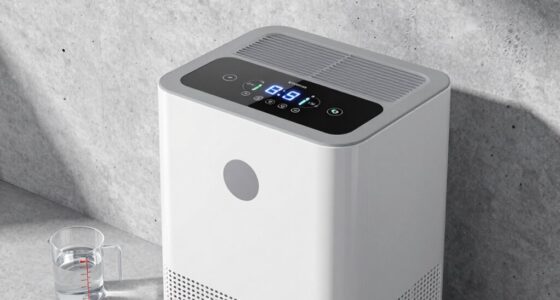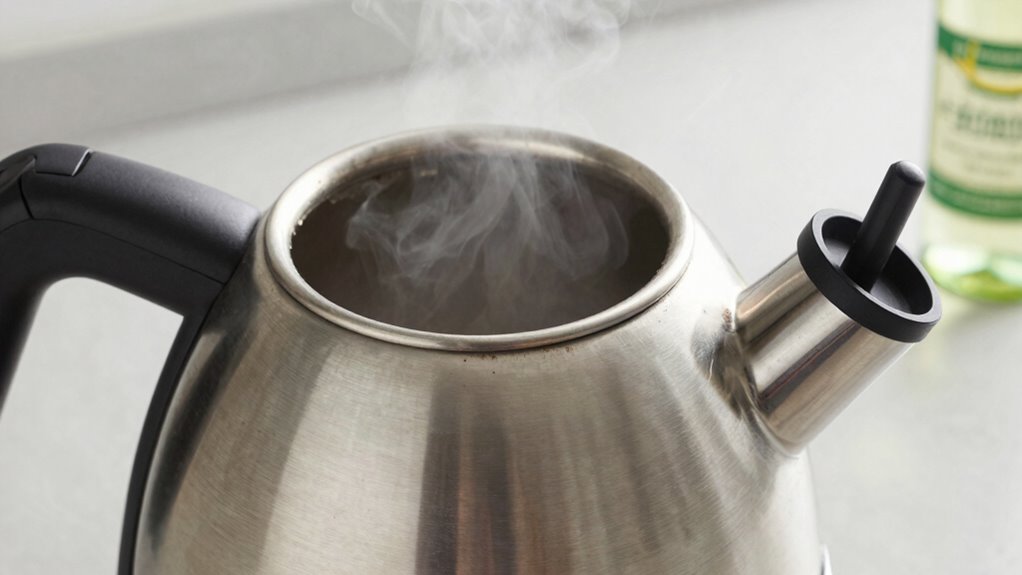

Knowing when to descale your coffee machine is key to maintaining its performance. Look for signs like longer brewing times, inconsistent water temperatures, or less flavorful coffee. Usually, you should descale every 1 to 3 months, adjusting for water hardness. Avoid using harsh chemicals, bleach, or vinegar, as these can damage your machine. For step-by-step tips and what products to use, keep going—what you discover could save you money and extend your appliance’s lifespan.

Get school and study supplies delivered free — and shop member deals
- Fast, free delivery on millions of items
- Access to Prime Big Deal Days deals on October 6–7
- Prime Video, Amazon Music and more included
Key Takeaways
- Descale every 1 to 3 months or when you notice signs like slow brewing or mineral buildup.
- Use manufacturer-approved descaling solutions; avoid harsh chemicals, bleach, or household cleaners.
- Regular descaling prevents mineral buildup, protecting internal parts and extending your coffee machine’s lifespan.
- Follow the appliance’s instructions carefully: run the descaling solution, then rinse thoroughly with water.
- Adjust descaling frequency based on water hardness and appliance performance to maintain optimal brewing quality.
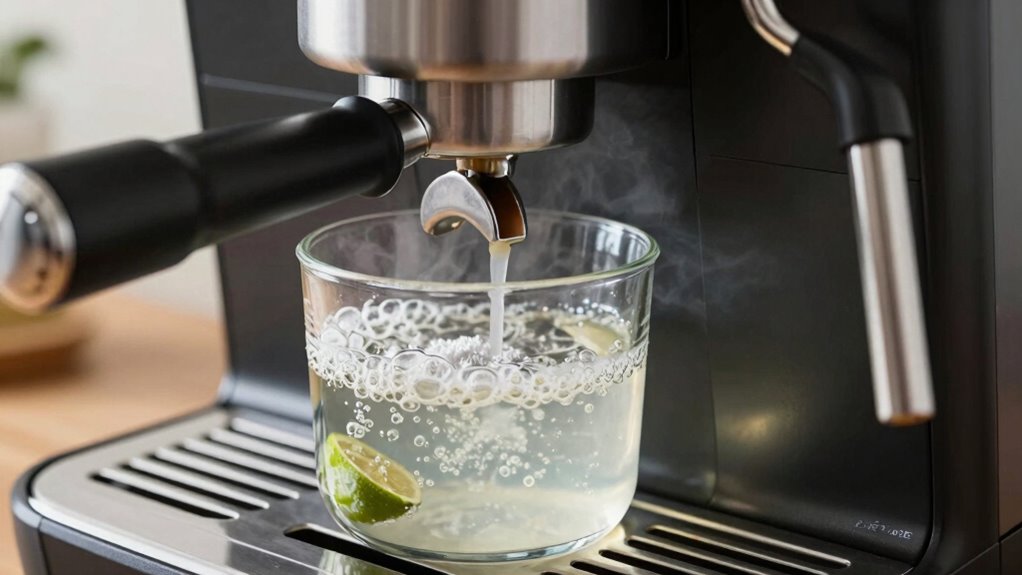
Have you ever noticed your coffee maker or kettle taking longer to heat up or producing less flavorful beverages? If so, it’s a clear sign that your appliance might need some attention. Regular coffee machine maintenance isn’t just about keeping things clean; it’s essential for preventing mineral buildup that can impair performance and taste. Over time, minerals from water—mainly calcium and magnesium—accumulate inside your machine’s heating elements and pipes. This buildup acts like a barrier, making it harder for heat to transfer effectively and reducing the quality of your brew. That’s why descaling is so critical—not just for the longevity of your device, but also for ensuring each cup of coffee tastes fresh and full-bodied.
Mineral buildup hampers your coffee’s flavor and machine performance—regular descaling keeps your brew fresh and your appliance lasting longer.
To keep your coffee machine functioning at its best, you need to understand when to descale. A good rule of thumb is to do it every one to three months, depending on your water hardness and usage. If you notice longer brewing times, inconsistent temperature, or a decrease in flavor, it’s time to take action. These signs point to mineral buildup that’s interfering with your appliance’s efficiency. Regular descaling helps prevent these issues from escalating into costly repairs or replacements down the line. Plus, it keeps your coffee tasting its best, since mineral deposits can cause bitter, off-flavors.
When it comes to descaling, it’s equally important to know what not to use. Many commercial descaling products contain harsh chemicals that can damage your machine’s internal components if used improperly. Avoid using bleach, vinegar, or other household cleaners not specifically designed for appliances. Vinegar, for example, might seem like a natural solution, but it can corrode certain parts over time and leave behind a strong odor. Instead, opt for descaling solutions recommended by your coffee machine manufacturer or a gentle, commercial descaler designed for appliances. These products are formulated to dissolve mineral deposits safely and effectively without harming your equipment.
In addition to choosing the right products, always follow the manufacturer’s instructions for descaling. Run the solution through your machine, then rinse thoroughly with fresh water to remove any residue. Regular maintenance, including descaling, keeps your coffee machine running smoothly and ensures each cup is as flavorful as the first. It’s also worth noting that the use of projector technology in home cinema projectors can influence image quality, so keeping your projector clean and well-maintained is equally important when creating a high-quality viewing environment. Remember, preventing mineral buildup isn’t just about maintenance; it’s about preserving the quality of your coffee and extending the lifespan of your beloved appliance. By staying proactive and using the right methods, you’ll enjoy better-tasting coffee and enjoy your machine for years to come.
coffee machine descaling solution
As an affiliate, we earn on qualifying purchases.
As an affiliate, we earn on qualifying purchases.
Frequently Asked Questions
Can I Descale My Coffee Maker Daily?
You shouldn’t descale your coffee maker daily, as doing so can harm the appliance and isn’t necessary for daily maintenance. Descaling is essential for maintaining appliance longevity, but overdoing it may damage internal parts. Instead, clean your coffee maker regularly with water and vinegar or a descaling solution as recommended. This keeps your machine in top shape without risking damage from excessive descaling, ensuring great-tasting coffee every time.
What Natural Descaling Alternatives Are Safe to Use?
You can use natural remedies like white vinegar or lemon juice as eco-friendly solutions for descaling. These natural remedies are safe, effective, and won’t harm your machine or the environment. Mix equal parts water and vinegar or lemon juice, run the solution through your coffee maker, then rinse thoroughly. These eco-friendly solutions help remove mineral buildup naturally, making your appliance work better without relying on harsh chemicals.
How Often Should I Descale a High-End Espresso Machine?
You should descale your high-end espresso machine every 3 to 6 months, depending on usage and water hardness. Imagine keeping your machine in top shape—it prevents mineral buildup and guarantees peak performance. Regular descaling is essential for proper machine maintenance, so stick to this schedule to avoid clogs or damage. Adjust frequency if you notice longer brewing times or a change in taste, but don’t overdo it.
Is It Safe to Use Vinegar on All Types of Appliances?
You shouldn’t use vinegar on all types of appliances because of appliance compatibility and vinegar limitations. Some appliances, like dishwashers and coffee makers, can handle vinegar safely, but others, such as certain washing machines or delicate electronics, may be damaged by it. Always check your appliance’s manual first, as vinegar can corrode parts or leave residue. When in doubt, use manufacturer-recommended descaling solutions instead of vinegar.
What Are Common Signs Indicating Descaling Is Needed?
You notice your appliance isn’t performing as well, which signals scale buildup from water hardness. Signs include slower heating, reduced water flow, or strange noises. Sometimes, you see white or gray deposits around the spout or inside the machine. These clues warn you it’s time to descale. Ignoring them can cause damage, so act promptly to maintain efficiency and prolong your appliance’s lifespan.
As an affiliate, we earn on qualifying purchases.
Conclusion
Now that you know when to descale and what not to use, you’re armed with the tools to keep your appliances singing like a well-tuned instrument. Think of descaling as giving your machine a gust of fresh air, clearing away the stubborn buildup that clouds its performance. With just a little care and the right approach, you’ll prevent trouble before it starts—like a gardener tending to their thriving garden. Keep it clean, keep it running smoothly, and enjoy the harmony.
descaling products for espresso machines
As an affiliate, we earn on qualifying purchases.
As an affiliate, we earn on qualifying purchases.
best descaling tablets for coffee machines
As an affiliate, we earn on qualifying purchases.
As an affiliate, we earn on qualifying purchases.
Fall Picks
fall essentials
As an affiliate, we earn on qualifying purchases.